Cable Chest Exercises
A cable crossover keeps the pec loaded through the whole arc and, unlike a dumbbell fly, keeps loading it at the crossed-over finish where the muscle is fully shortened. Because the pulleys can be set high, level, or low, one station gives you a decline, flat, and incline line of pull without touching a bench. That makes cables the best chest isolation tool in the gym and a joint-friendly way to keep training when heavy pressing is off the table.
Why train chest with cable
- Tension holds through the whole arc, including the contracted finish
- Pulley height replaces bench angle for upper, mid, and lower chest lines
- Small stack increments make progression easy on an isolation movement
- Low shoulder stress compared with heavy barbell pressing
All 24 cable chest exercises
Every guide below includes an animated GIF demonstration, numbered form cues, the muscle it targets, and sets and reps for strength, hypertrophy, and endurance.
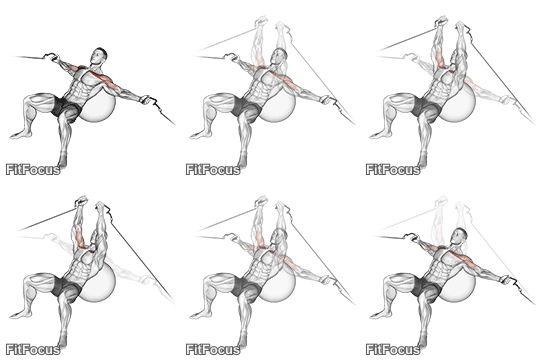 Cable Incline Fly (on Stability Ball)Pectorals · Cable · Beginner
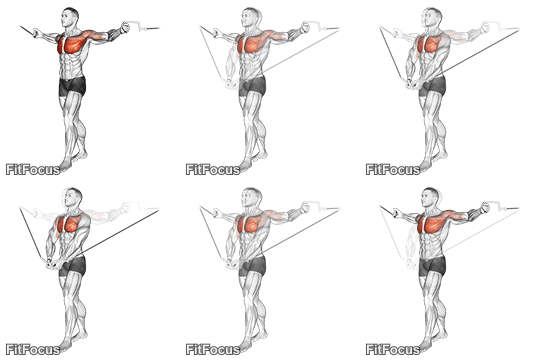 Cable Standing Up Straight CrossoversPectorals · Cable · Intermediate
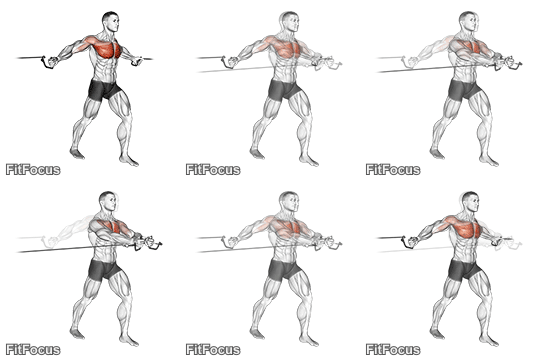 Cable Middle FlyPectorals · Cable · Advanced
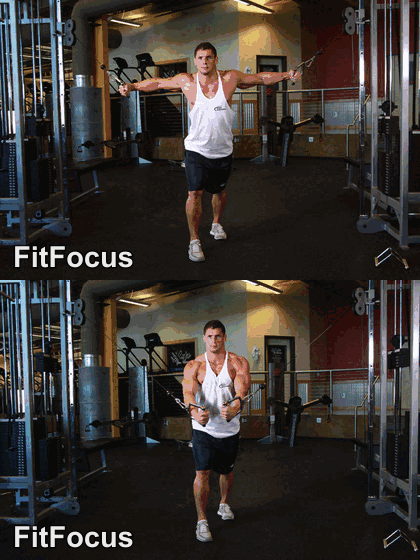 Cable CrossoverPectorals · Cable · Beginner
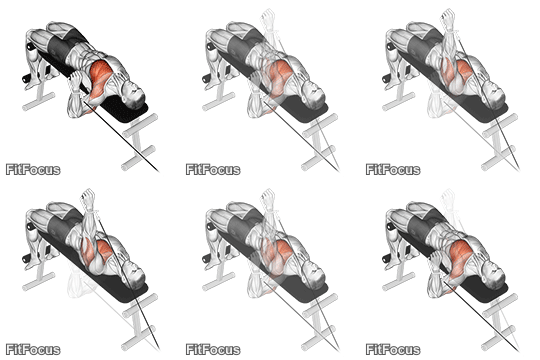 Cable Decline One Arm PressPectorals · Cable · Advanced
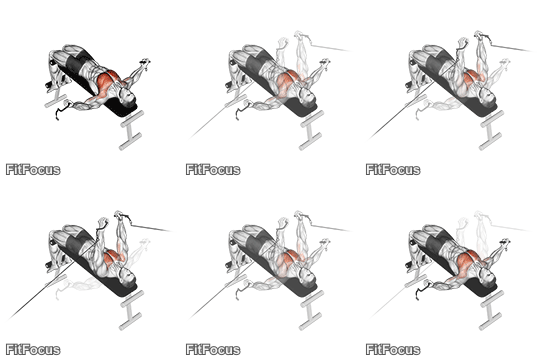 Cable Decline FlyPectorals · Cable · Intermediate
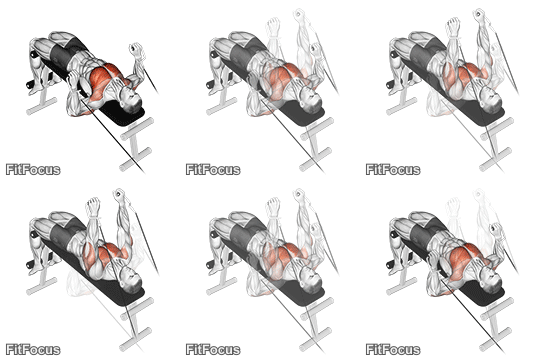 Cable Decline PressPectorals · Cable · Advanced
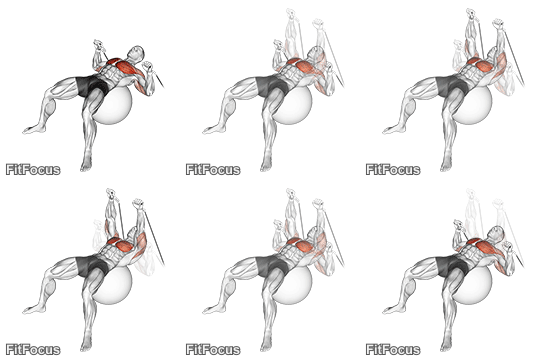 Cable Press On Exercise BallPectorals · Cable · Beginner
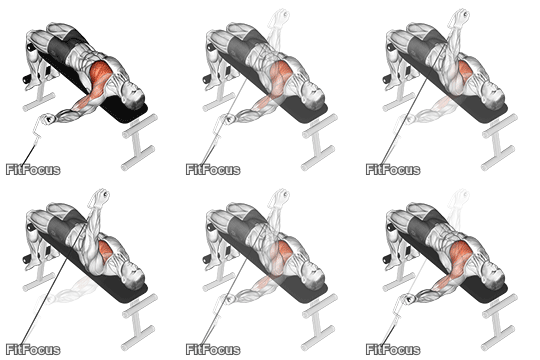 Cable One Arm Decline Chest FlyPectorals · Cable · Advanced
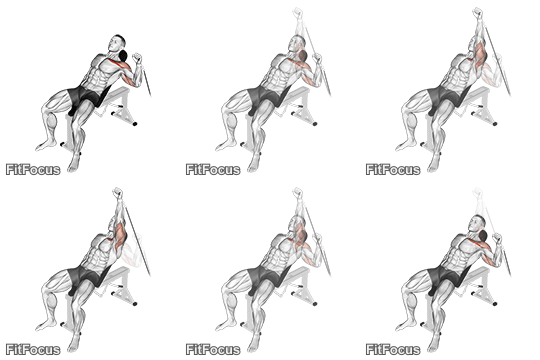 Cable One Arm Incline PressPectorals · Cable · Advanced
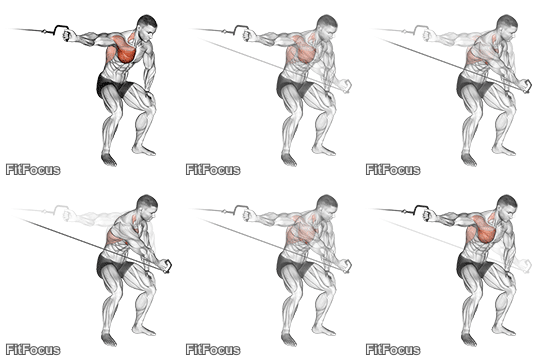 Cable One Arm Lateral Bent-overPectorals · Cable · Advanced
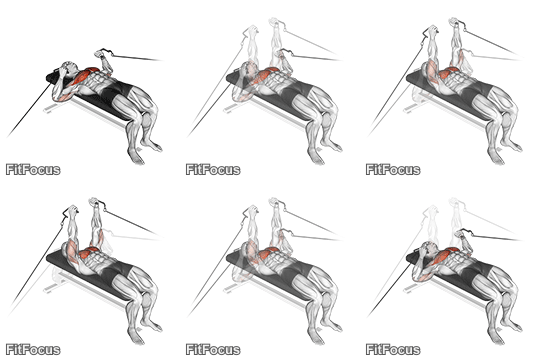 Cable Bench PressPectorals · Cable · Advanced
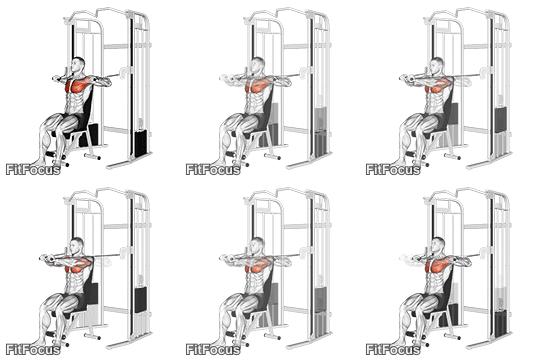 Cable Seated Chest PressPectorals · Cable · Intermediate
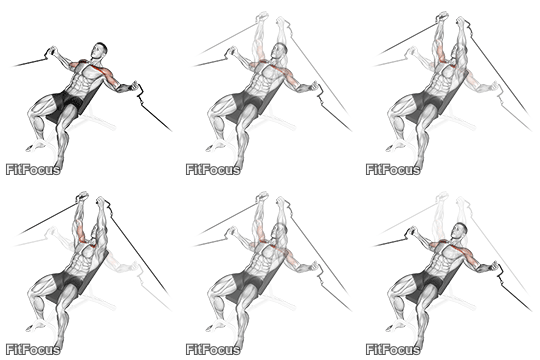 Cable Incline FlyPectorals · Cable · Intermediate
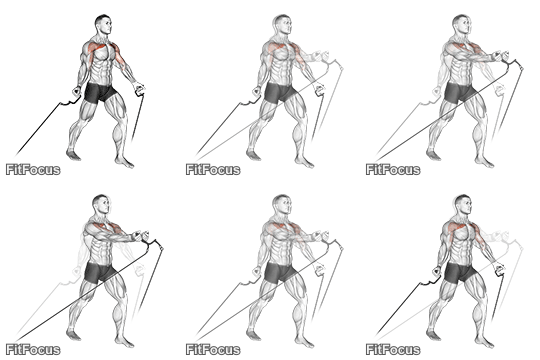 Cable Low FlyPectorals · Cable · Advanced
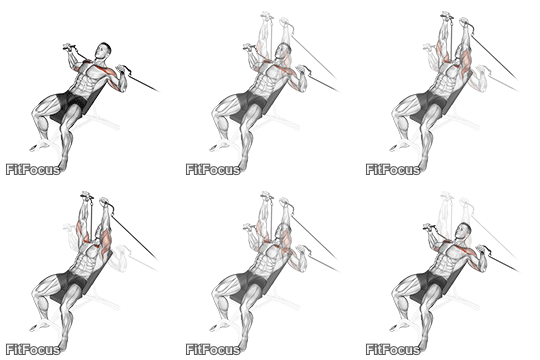 Cable Incline Bench PressPectorals · Cable · Advanced
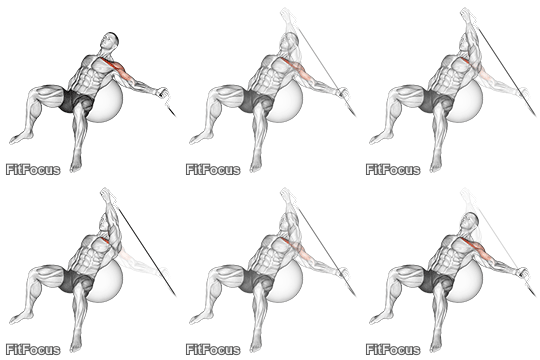 Cable One Arm Incline Fly On Exercise BallPectorals · Cable · Advanced
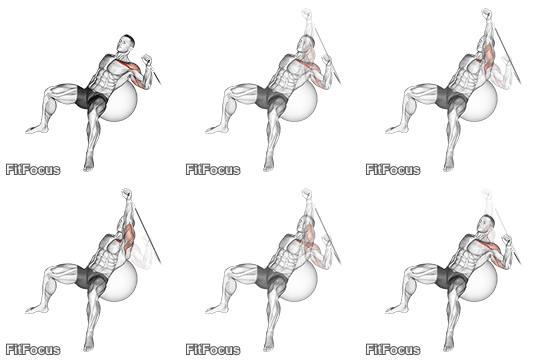 Cable One Arm Incline Press On Exercise BallPectorals · Cable · Advanced
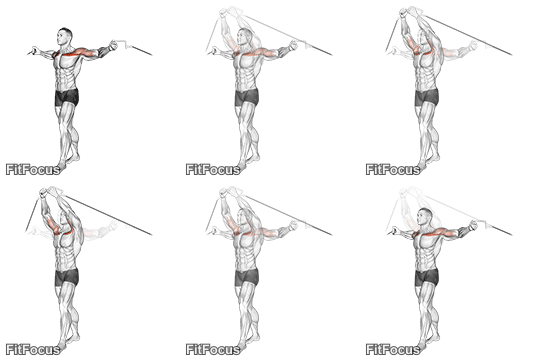 Cable Upper Chest CrossoversPectorals · Cable · Advanced
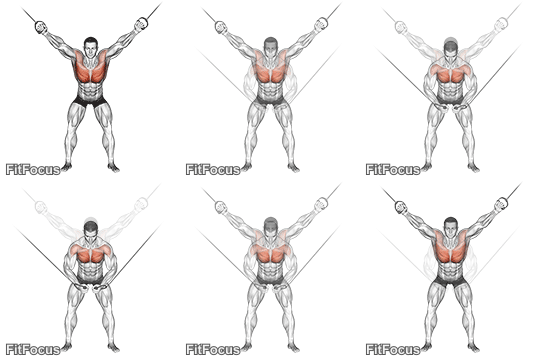 Cable Standing FlyPectorals · Cable · Advanced
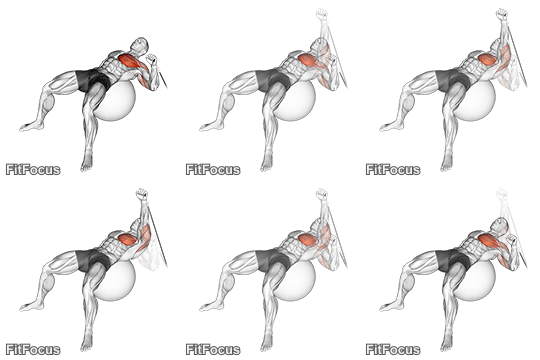 Cable One Arm Press On Exercise BallPectorals · Cable · Advanced
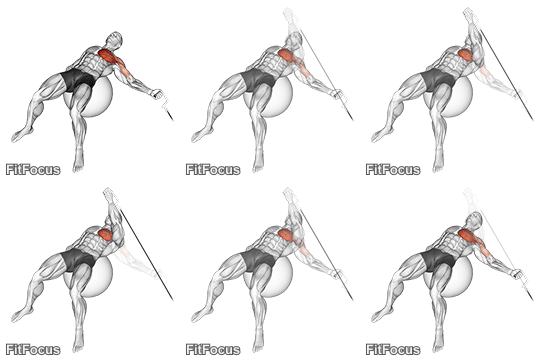 Cable One Arm Fly On Exercise BallPectorals · Cable · Advanced
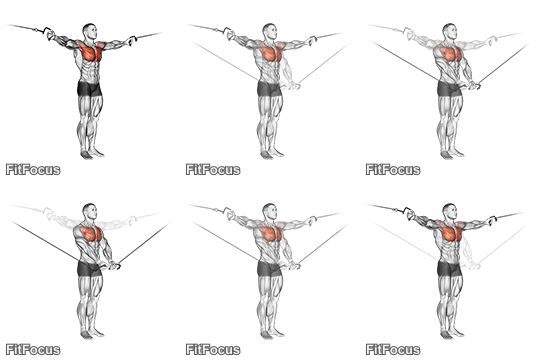 Cable Cross-over VariationPectorals · Cable · Advanced
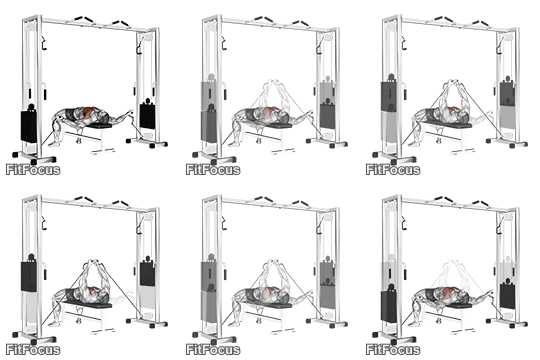 Cable Lying FlyPectorals · Cable · Beginner
Cable Chest Training FAQ
High or low pulley for cable crossovers?
A high pulley pulling down and across emphasises the lower and mid chest; a low pulley pulling up and across emphasises the upper chest. Setting the pulleys level with your shoulders gives the most even loading across the whole pec. Rotating between the three across the week covers the muscle better than always using one.
Should cable flyes come before or after pressing?
Usually after. Pressing is where the heavy loading happens and it deserves your freshest effort. Flyes work well as a finisher that takes the chest to failure once the triceps and shoulders are already tired. The exception is pre-exhaust training, where you fly first deliberately so lighter pressing hits the chest harder.
How many reps for cable chest work?
Ten to twenty. Cable isolation work is not where you chase heavy singles — the joint angles do not reward it and the risk goes up. A controlled set of twelve to fifteen with a one-second squeeze at the crossover produces far more chest tension than a heavy set thrown through the range.