Machine Chest Exercises
A plate-loaded chest press fixes the bar path, so you can push to genuine failure without a spotter and without spending effort on balance. That makes machine pressing the safest way to accumulate hard chest volume, the fastest way for a beginner to learn the pressing pattern under load, and a good finisher once free-weight stability is already fatigued. Inner-chest and converging machines also close the hands at lockout in a way a barbell physically cannot.
Why train chest with machine
- Push to failure safely with no spotter and no bailout risk
- Zero balance demand means all the effort reaches the chest
- Converging paths bring the hands together at lockout for a stronger squeeze
- The easiest place for a beginner to learn pressing under real load
All 12 machine chest exercises
Every guide below includes an animated GIF demonstration, numbered form cues, the muscle it targets, and sets and reps for strength, hypertrophy, and endurance.
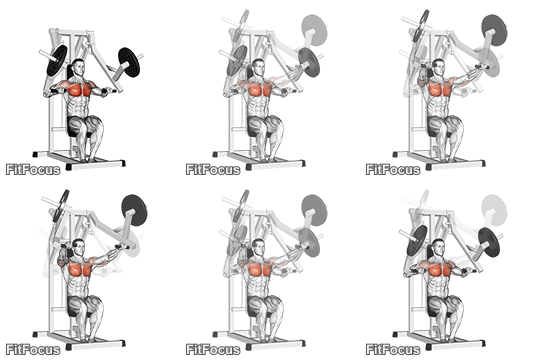 Lever Chest PressPectorals · Leverage Machine · Beginner
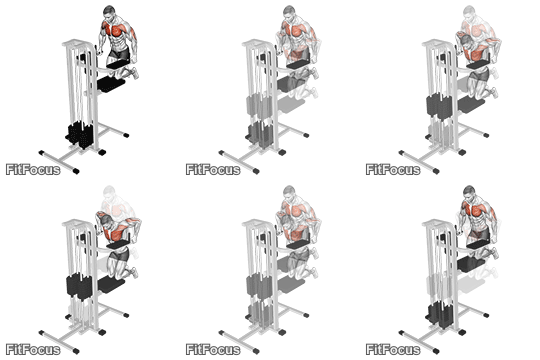 Assisted Wide-grip Chest Dip (kneeling)Pectorals · Leverage Machine · Intermediate
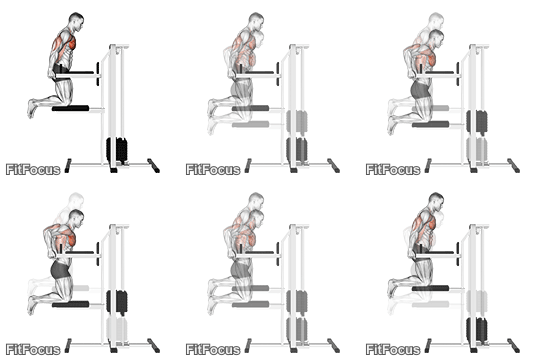 Assisted Chest Dip (kneeling)Pectorals · Leverage Machine · Advanced
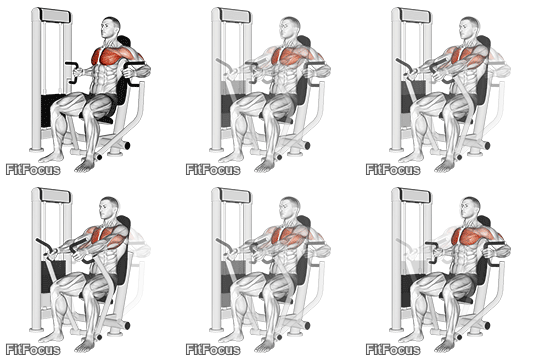 Machine Inner Chest PressPectorals · Leverage Machine · Advanced
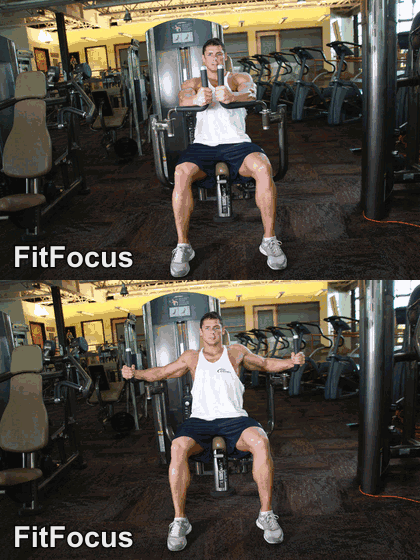 Pec Deck FlyPectorals · Leverage Machine · Beginner
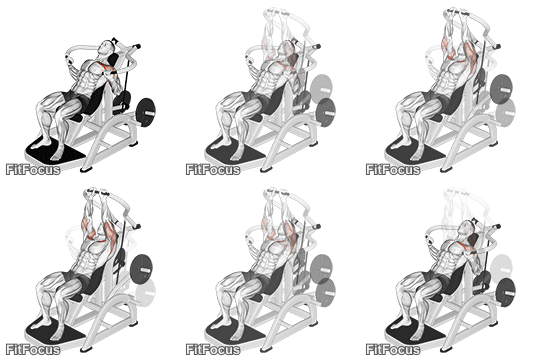 Lever Incline Chest Press V. 2Pectorals · Leverage Machine · Intermediate
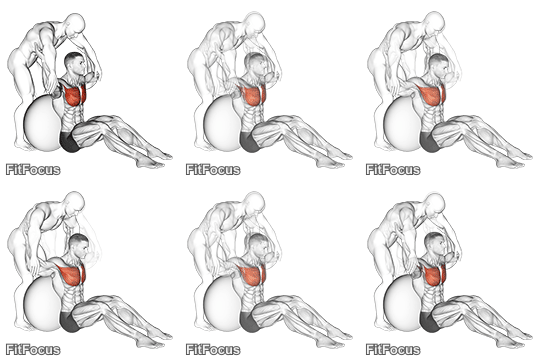 Assisted Seated Pectoralis Major Stretch With Stability BallPectorals · Assisted · Intermediate
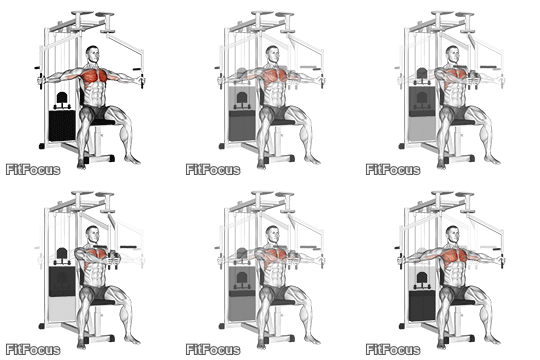 Lever Seated FlyPectorals · Leverage Machine · Intermediate
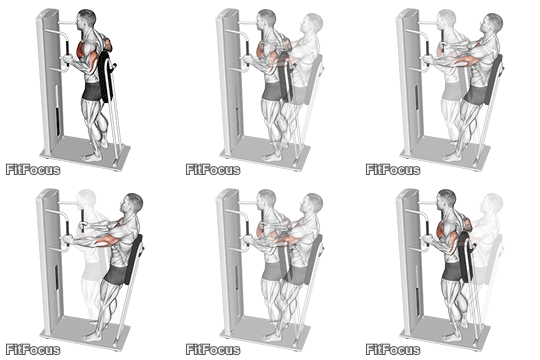 Lever Standing Chest PressPectorals · Leverage Machine · Beginner
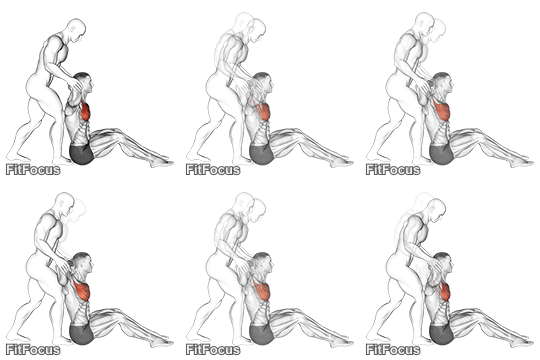 Behind Head Chest StretchPectorals · Assisted · Intermediate
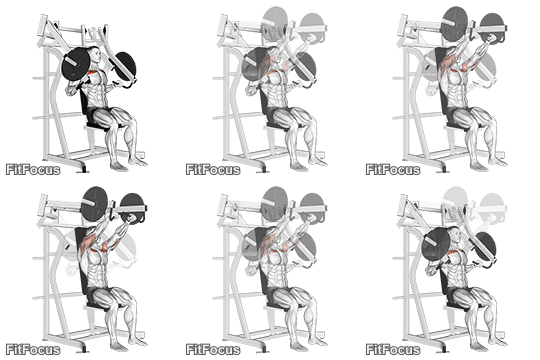 Lever Incline Chest PressPectorals · Leverage Machine · Intermediate
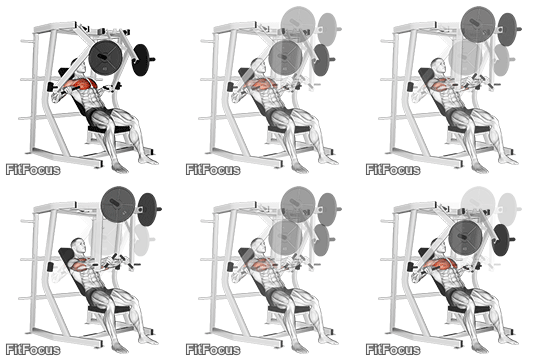 Lever Decline Chest PressPectorals · Leverage Machine · Advanced
Machine Chest Training FAQ
Is machine chest press as good as bench press?
For chest growth specifically, close. Studies comparing machine and free-weight pressing find similar hypertrophy when sets are taken to similar effort. Free-weight pressing wins on transferable strength and stabiliser recruitment; machine pressing wins on safety and on letting you push the last hard reps without a spotter.
Where should I set the seat on a chest press machine?
So the handles sit at roughly mid-chest height when you are seated with your back flat. Handles too high shift the work to the front delts, too low and it becomes a decline press that strains the shoulder. Adjust the seat before every set, not just the first time you use the machine.
Should machines come first or last in a chest session?
Either works, and the choice depends on the goal. Putting machine work last lets you push the chest to failure after free-weight pressing has already tired your stabilisers. Putting it first pre-fatigues the chest so lighter free-weight work feels harder, which is useful if your shoulders limit how heavy you can bench.