Bodyweight Chest Exercises
You can build a chest with nothing but the floor. Bodyweight chest training works by moving your torso against your own mass, and you make it harder by shifting leverage rather than adding weight: drop the hands lower than the feet, narrow the base, move to one arm, or hang the whole body from rings. The scapula push-up teaches the shoulder blade control that protects the joint once you start pressing hard, and dips on a straight bar load the lower chest as heavily as most gym machines.
Why train chest with bodyweight
- Press hard with no bench, no rack, and no plates
- Depth jumps and planche work add explosive and static strength a bench cannot
- Dips load the lower chest through a range barbell pressing never reaches
- Scapula control work protects the shoulder before you add heavy load
All 36 bodyweight chest exercises
Every guide below includes an animated GIF demonstration, numbered form cues, the muscle it targets, and sets and reps for strength, hypertrophy, and endurance.
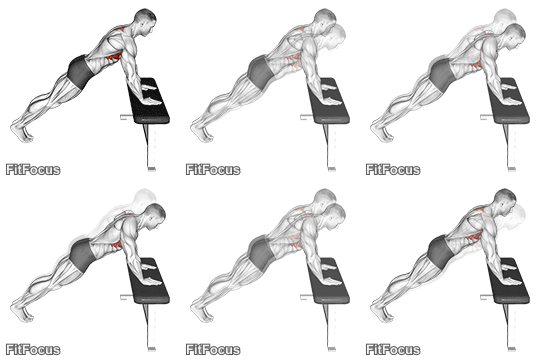 Incline Scapula Push UpSerratus Anterior · Body Weight · Beginner
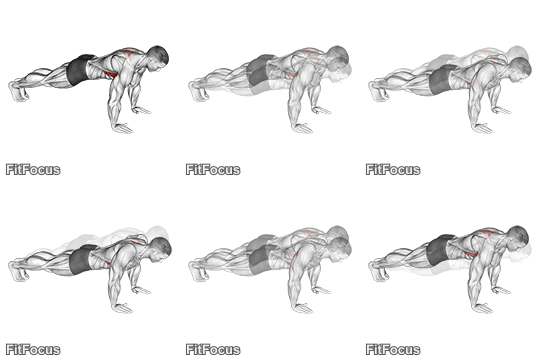 Scapula Push-upSerratus Anterior · Body Weight · Beginner
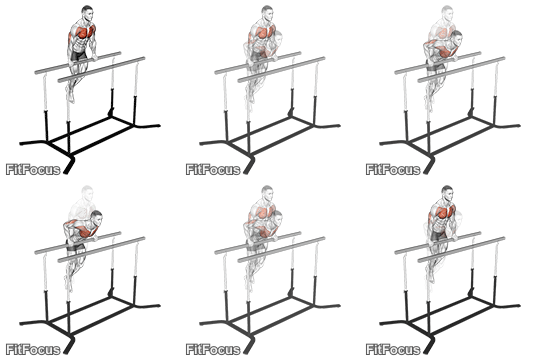 Chest Dip On Straight BarPectorals · Body Weight · Intermediate
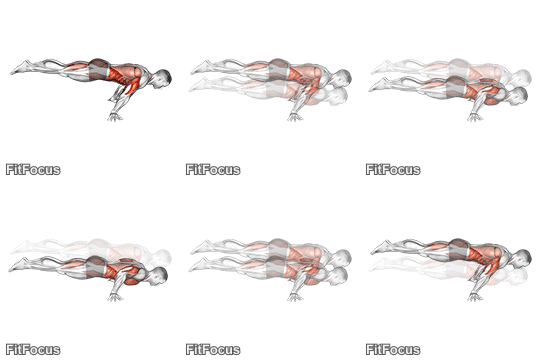 Full Planche Push-upPectorals · Body Weight · Intermediate
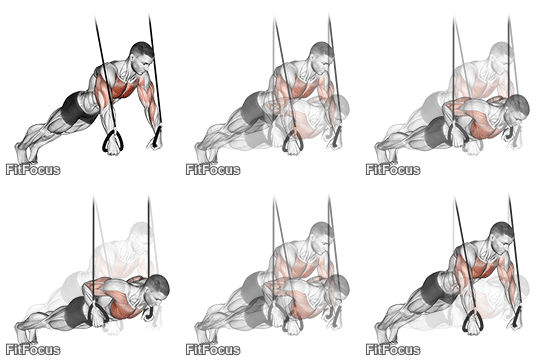 Suspended Push-upPectorals · Body Weight · Intermediate
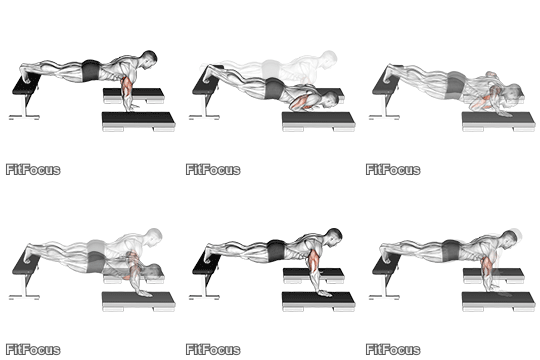 Incline Push Up Depth JumpPectorals · Body Weight · Advanced
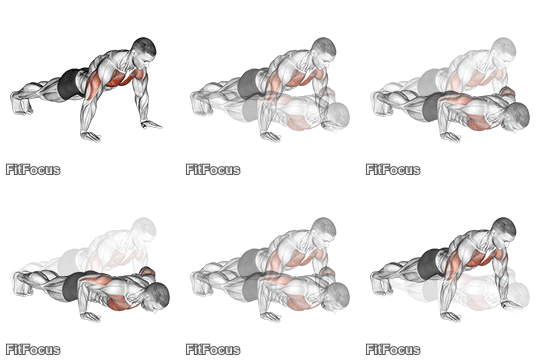 Push-UpPectorals · Body Weight · Beginner
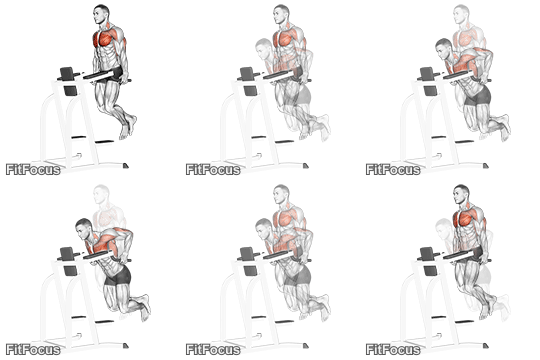 Chest DipPectorals · Body Weight · Intermediate
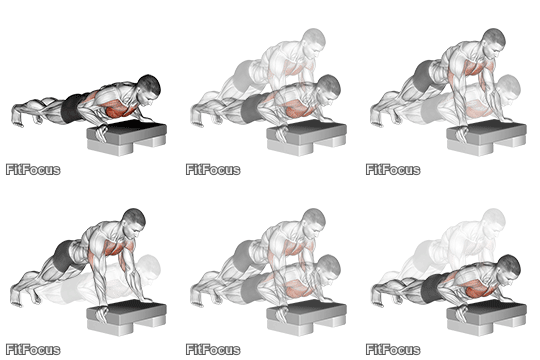 Incline Push-UpPectorals · Body Weight · Beginner
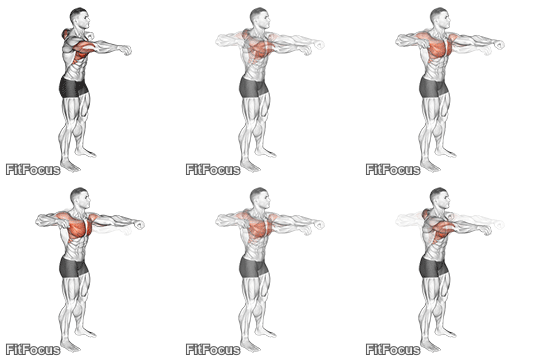 Push And Pull BodyweightPectorals · Body Weight · Intermediate
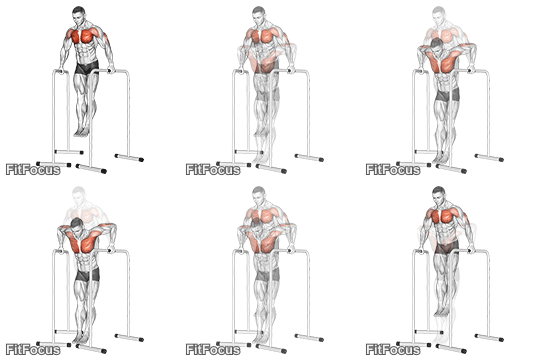 Wide-grip Chest Dip On High Parallel BarsPectorals · Body Weight · Beginner
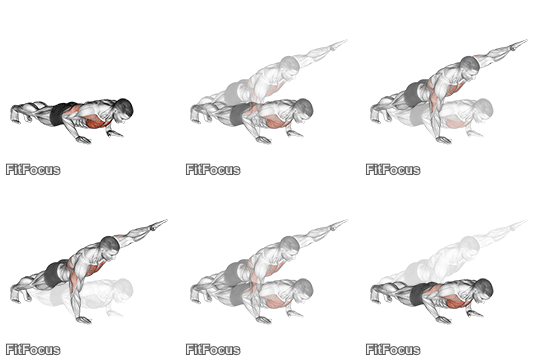 Raise Single Arm Push-upPectorals · Body Weight · Advanced
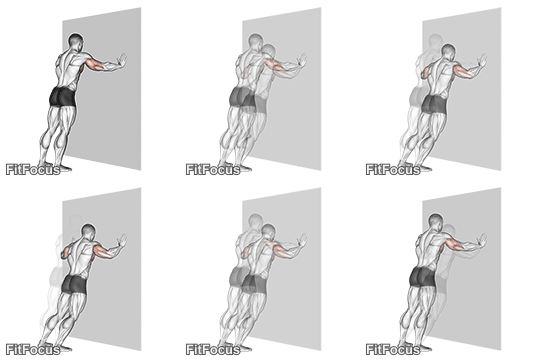 Push-up (wall) V. 2Pectorals · Body Weight · Advanced
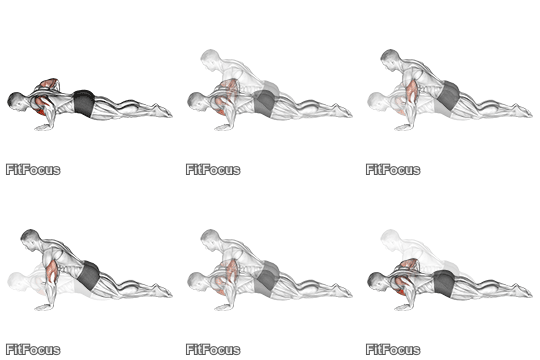 Kneeling Push-up (male)Pectorals · Body Weight · Beginner
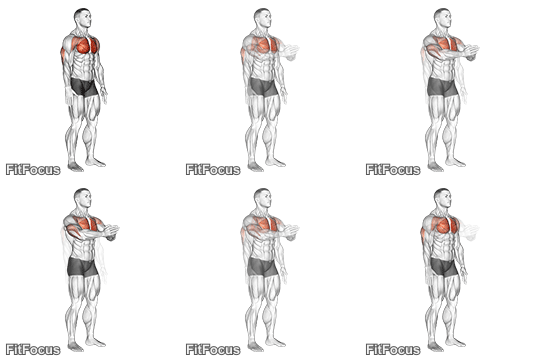 Isometric Chest SqueezePectorals · Body Weight · Intermediate
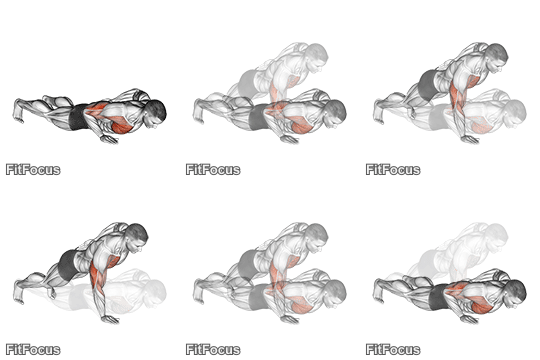 Single Arm Push-upPectorals · Body Weight · Advanced
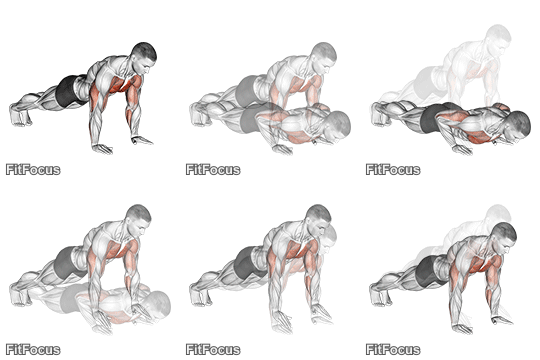 Plyo Push UpPectorals · Body Weight · Advanced
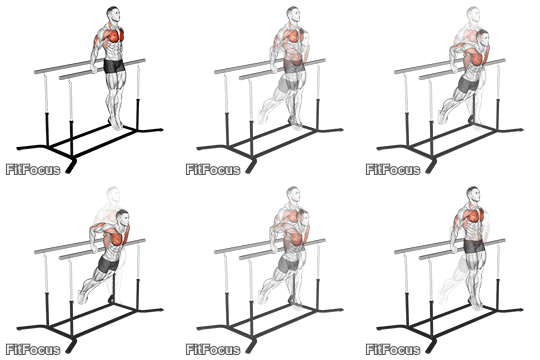 Korean DipsPectorals · Body Weight · Beginner
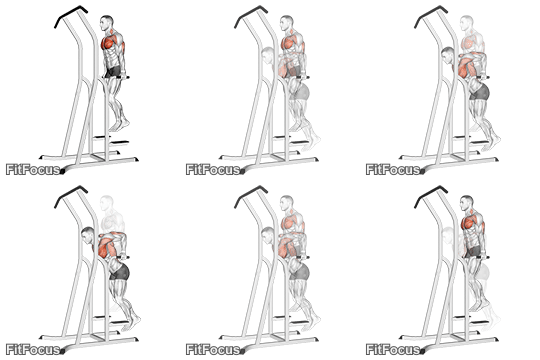 Chest Dip (on Dip-pull-up Cage)Pectorals · Body Weight · Advanced
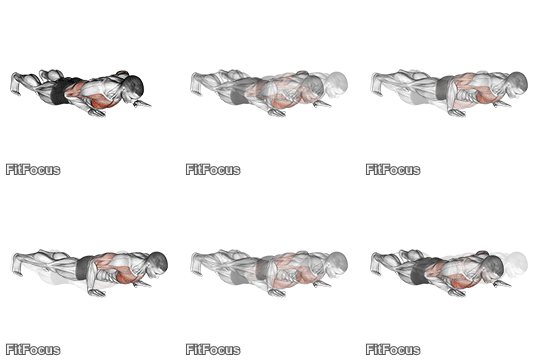 Isometric WipersPectorals · Body Weight · Advanced
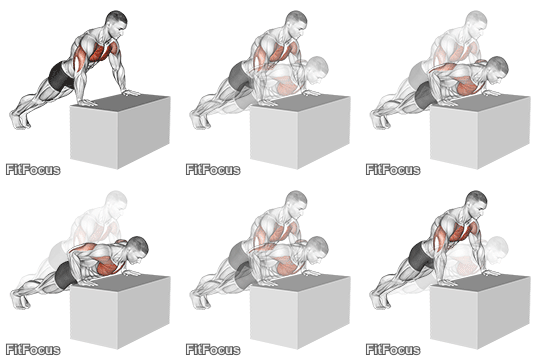 Incline Push-up (on Box)Pectorals · Body Weight · Beginner
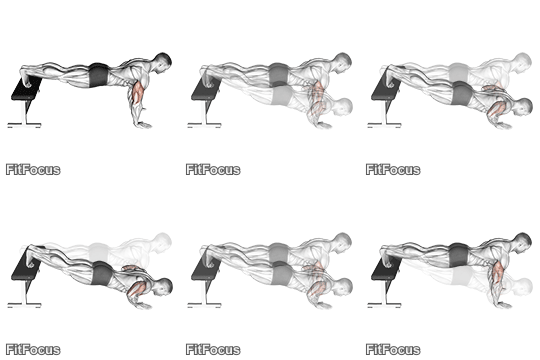 Decline Push-upPectorals · Body Weight · Beginner
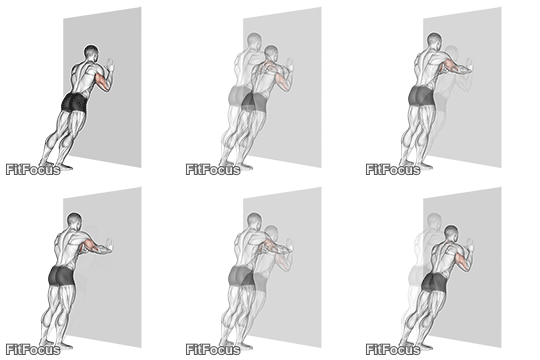 Push-up (wall)Pectorals · Body Weight · Intermediate
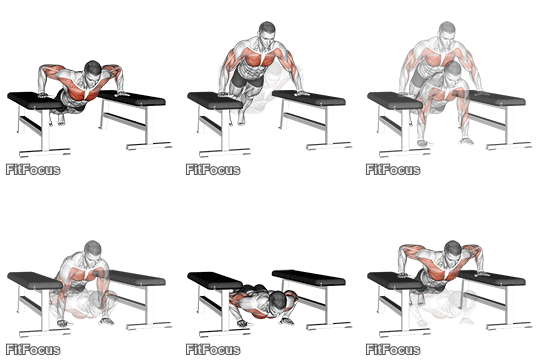 Drop Push UpPectorals · Body Weight · Beginner
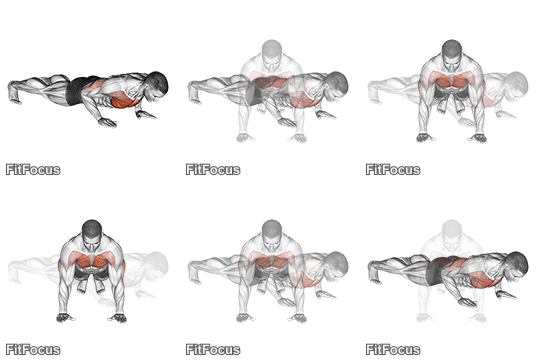 Clock Push-upPectorals · Body Weight · Intermediate
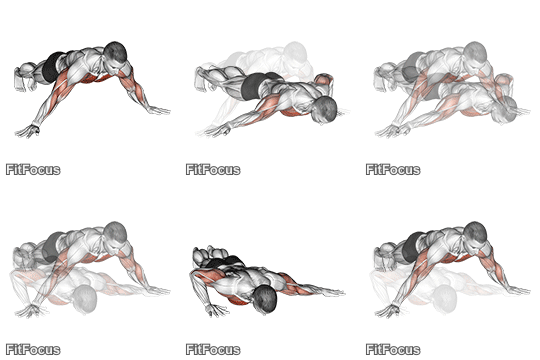 Archer Push UpPectorals · Body Weight · Intermediate
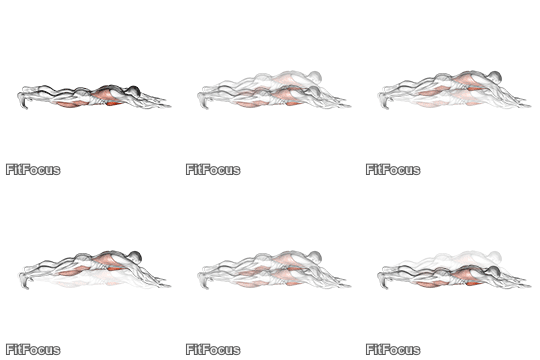 Superman Push-upPectorals · Body Weight · Intermediate
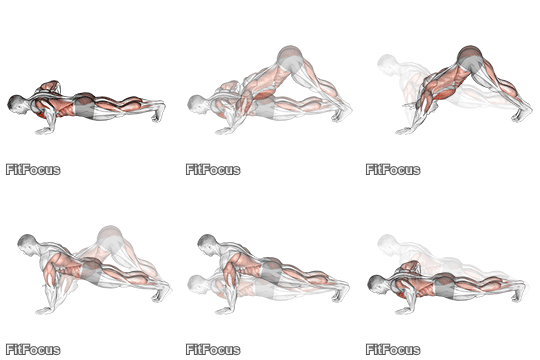 Modified Hindu Push-up (male)Pectorals · Body Weight · Beginner
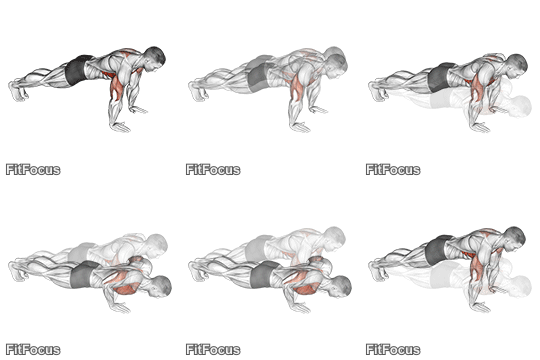 Push-up PlusPectorals · Body Weight · Intermediate
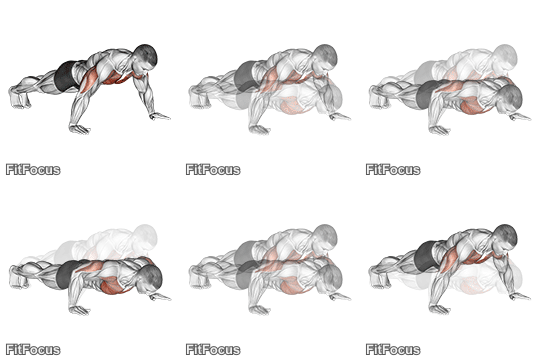 Wide Hand Push UpPectorals · Body Weight · Beginner
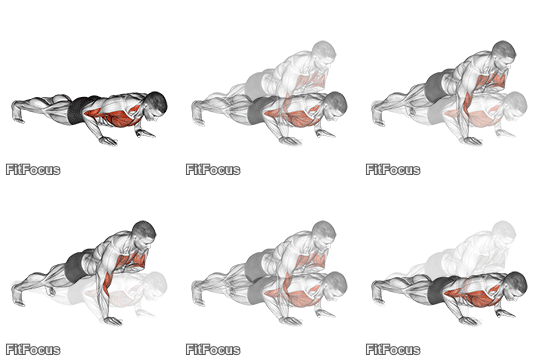 Shoulder Tap Push-upPectorals · Body Weight · Advanced
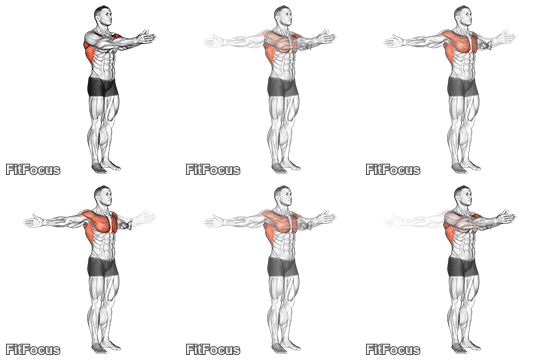 Dynamic Chest Stretch (male)Pectorals · Body Weight · Intermediate
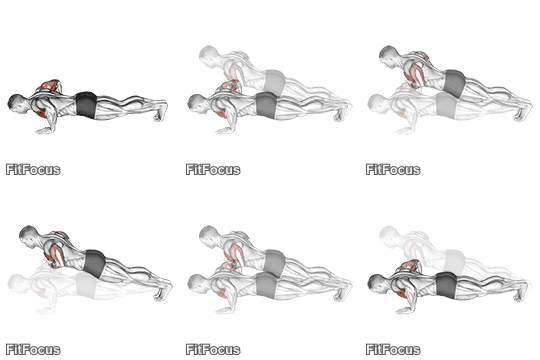 Chest Tap Push-up (male)Pectorals · Body Weight · Intermediate
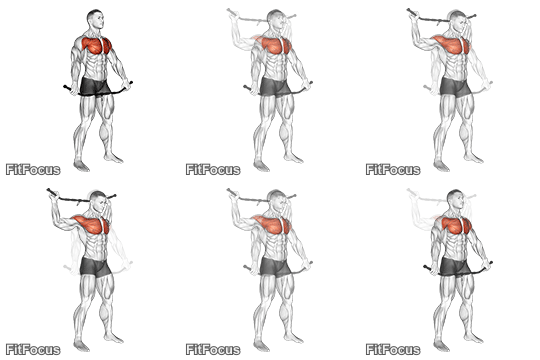 Chest And Front Of Shoulder StretchPectorals · Body Weight · Advanced
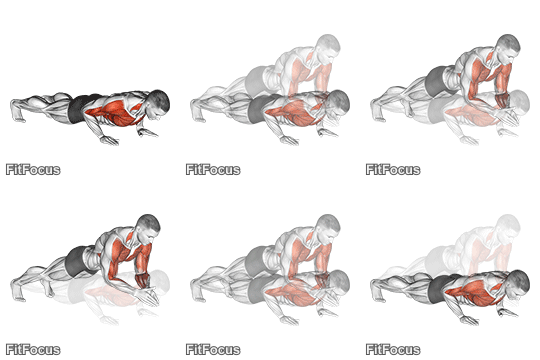 Clap Push UpPectorals · Body Weight · Beginner
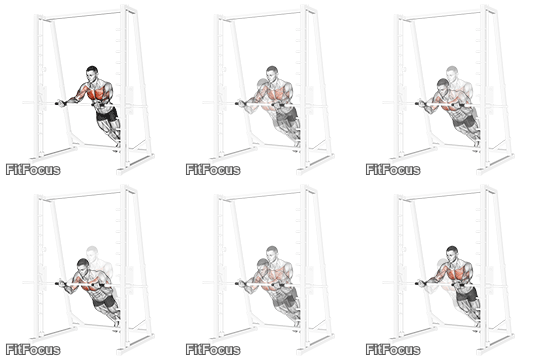 Incline Reverse Grip Push-upPectorals · Body Weight · Beginner
Bodyweight Chest Training FAQ
Can bodyweight exercises really build chest muscle?
Yes, as long as the sets are hard. Muscle responds to mechanical tension and proximity to failure, not to whether the resistance came from a plate. The catch is that a standard push-up gets easy fast, so you have to keep raising the difficulty: elevate the feet, slow the lowering to three seconds, pause at the bottom, move to one arm, or switch to dips where your full bodyweight loads the chest directly.
How do I make push-ups harder without weights?
Change leverage before you change reps. Elevate your feet to shift load onto the upper chest, slow each rep to a three-second lower and one-second pause, reduce the base of support by going to an archer or one-arm push-up, or add instability with a suspension trainer. Any of these will take a set that used to be twenty easy reps back down to a hard six to ten.
How often should I train chest with bodyweight only?
Two to three sessions a week works well. Bodyweight pressing is easier to recover from than heavy barbell work, so you can afford the extra frequency, and the extra practice speeds up skill on harder variations. Leave at least a day between sessions and stop each set two or three reps short of failure on most days.