Cable Back Exercises
Cable rowing solves the problem every dumbbell row has: the load line always points at the pulley, not at the floor, so you can pull along the exact path the lats want to travel. Change the pulley height and the same station gives you a high row for the upper back, a horizontal row for the mid-back, and a low row for the lats. Tension stays on the muscle at full stretch too, which is where most back growth actually happens.
Why train back with cable
- Set any pull angle from one station by moving the pulley
- Tension holds at full stretch where the lats grow most
- Reverse and neutral grips shift emphasis between lats and mid-back
- Kneeling and single-arm variations remove lower-back fatigue as a limiter
All 45 cable back exercises
Every guide below includes an animated GIF demonstration, numbered form cues, the muscle it targets, and sets and reps for strength, hypertrophy, and endurance.
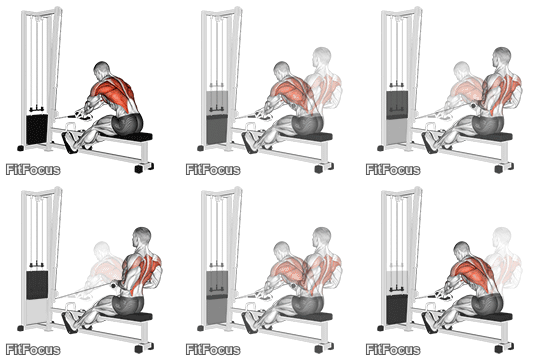 Cable Rope Crossover Seated RowUpper Back · Cable · Intermediate
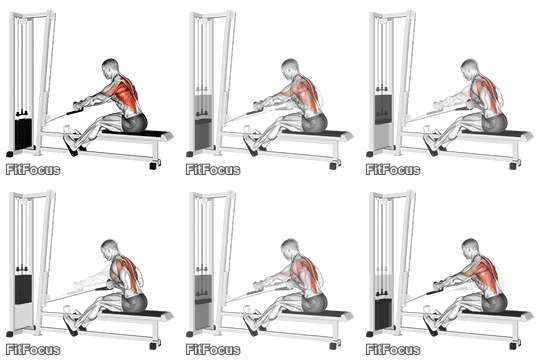 Cable Rope Elevated Seated RowUpper Back · Cable · Intermediate
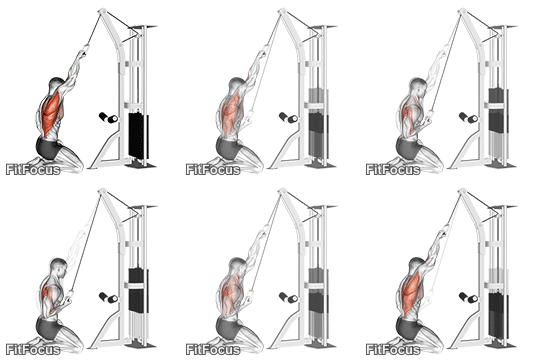 Cable One Arm Straight Back High Row (kneeling)Upper Back · Cable · Intermediate
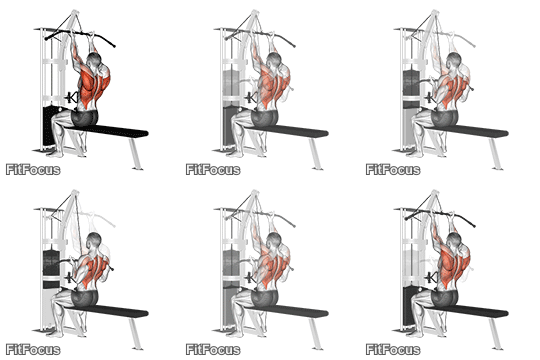 Cable Reverse-grip Straight Back Seated High RowUpper Back · Cable · Advanced
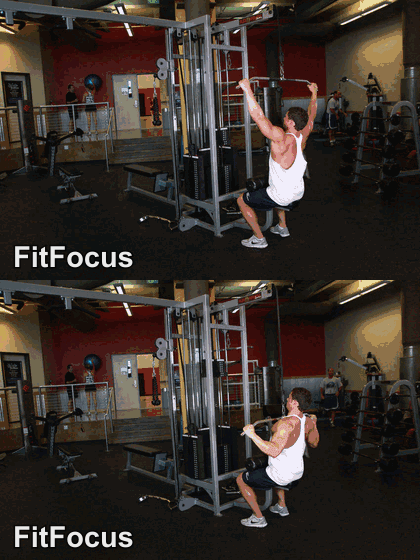 Wide-Grip Lat PulldownLats · Cable · Beginner
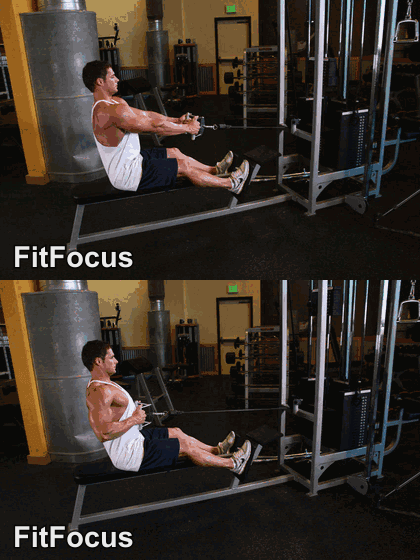 Seated Cable RowUpper Back · Cable · Beginner
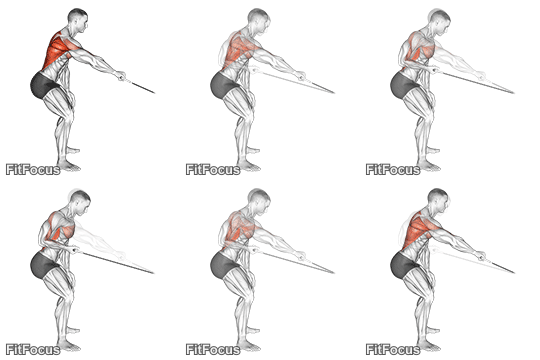 Cable Palm Rotational RowUpper Back · Cable · Advanced
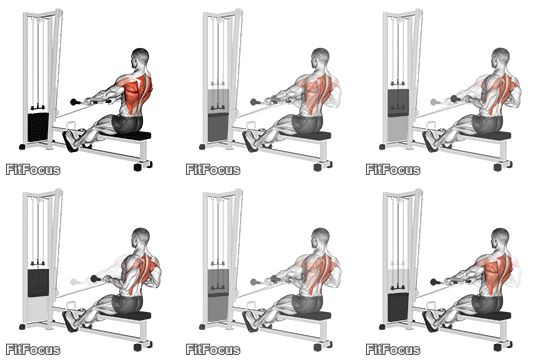 Cable Low Seated RowUpper Back · Cable · Intermediate
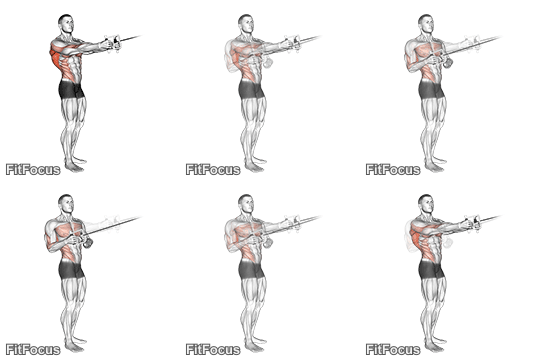 Cable Standing Twist Row (v-bar)Upper Back · Cable · Advanced
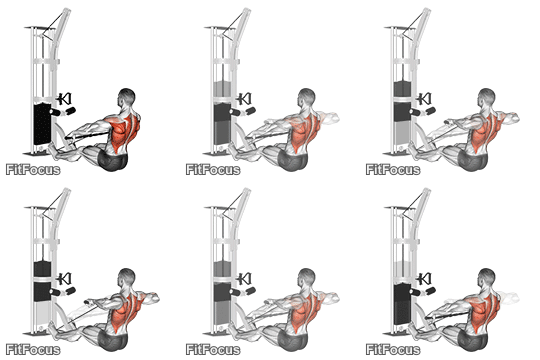 Cable Floor Seated Wide-grip RowUpper Back · Cable · Advanced
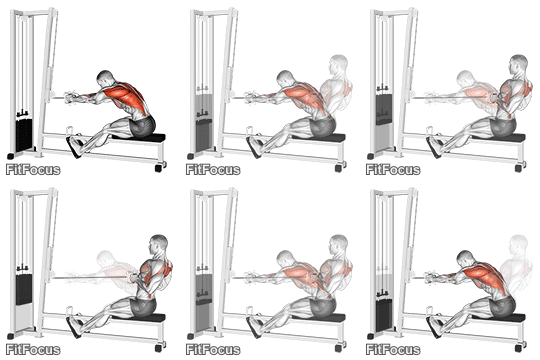 Cable Seated RowUpper Back · Cable · Beginner
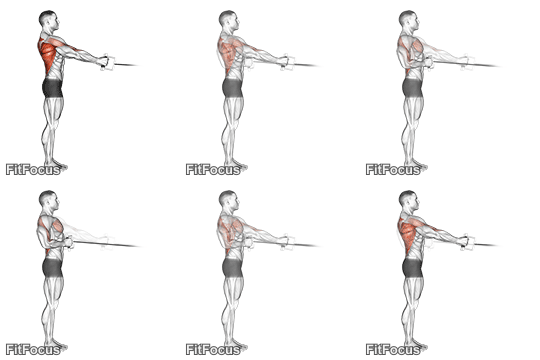 Cable Standing Row (v-bar)Upper Back · Cable · Intermediate
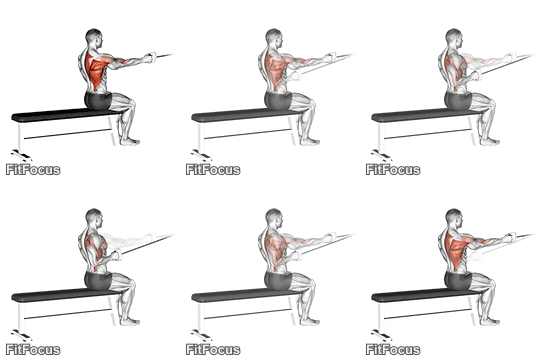 Cable Seated One Arm Alternate RowUpper Back · Cable · Advanced
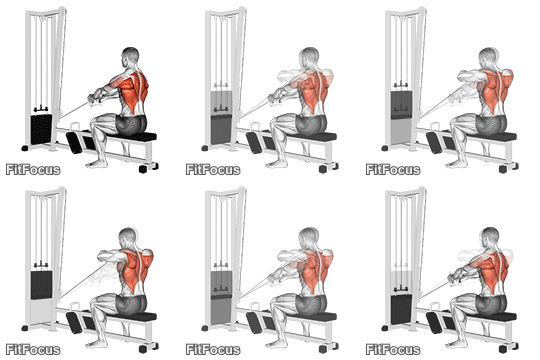 Cable Upper RowUpper Back · Cable · Advanced
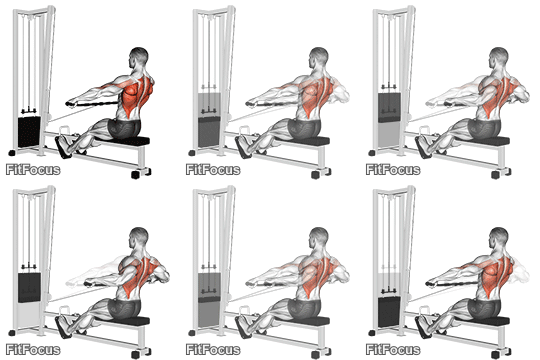 Cable Seated Wide-grip RowUpper Back · Cable · Advanced
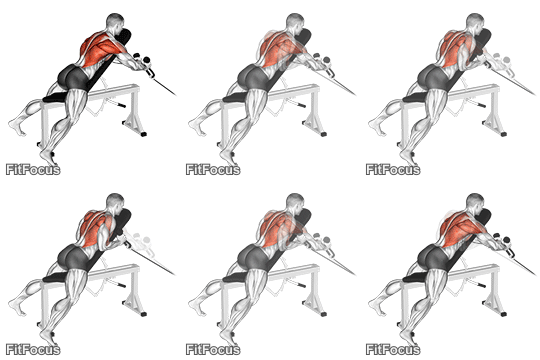 Cable Rope Extension Incline Bench RowUpper Back · Cable · Advanced
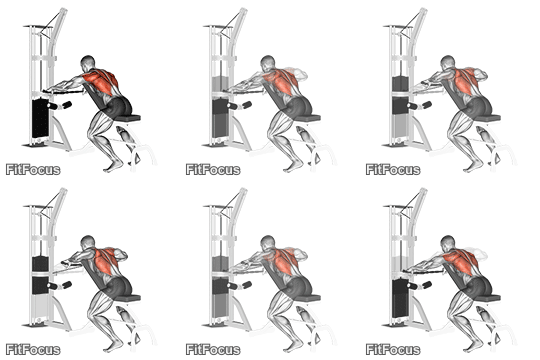 Cable Decline Seated Wide-grip RowUpper Back · Cable · Intermediate
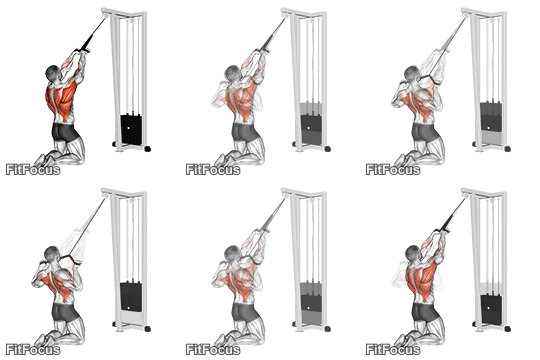 Cable High Row (kneeling)Upper Back · Cable · Intermediate
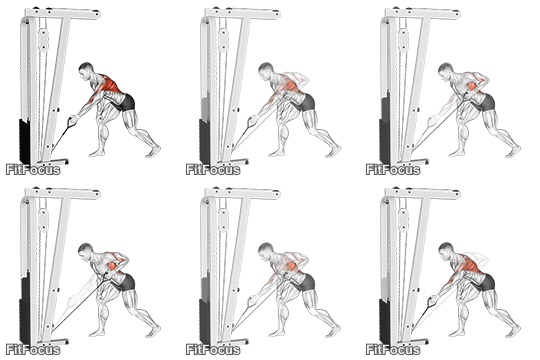 Cable One Arm Bent Over RowUpper Back · Cable · Advanced
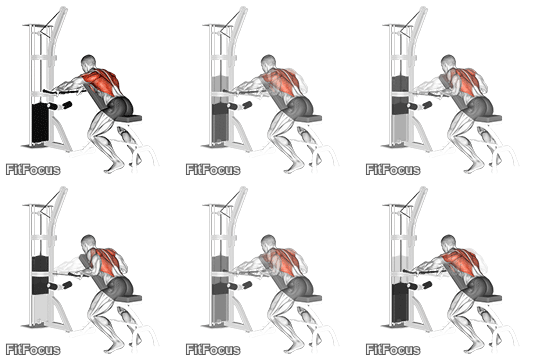 Cable Incline Bench RowUpper Back · Cable · Advanced
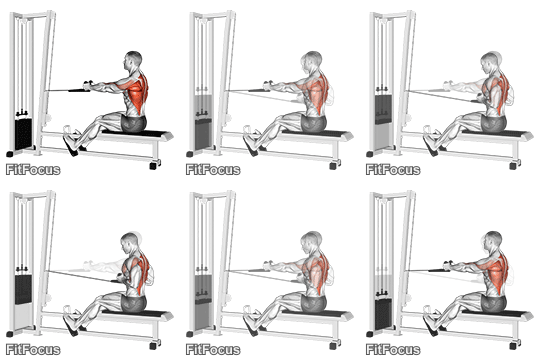 Cable Rope Seated RowUpper Back · Cable · Intermediate
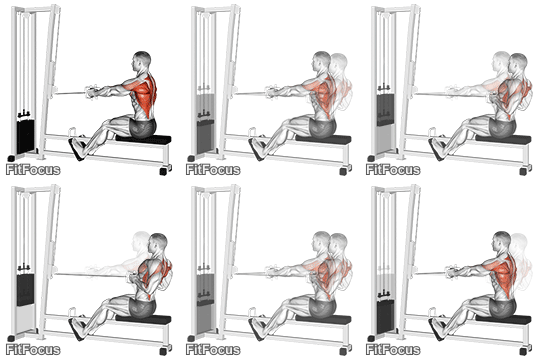 Cable Straight Back Seated RowUpper Back · Cable · Intermediate
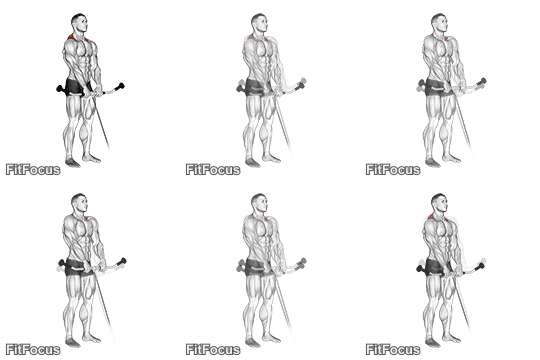 Cable ShrugTraps · Cable · Beginner
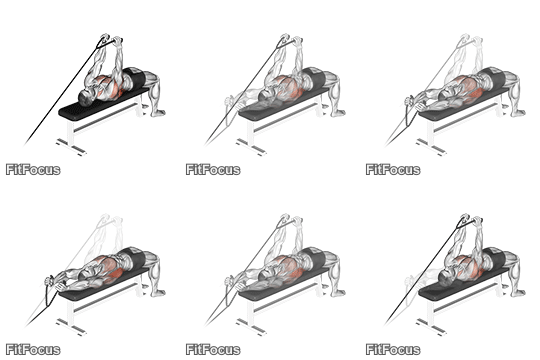 Cable Lying Extension Pullover (with Rope Attachment)Lats · Cable · Intermediate
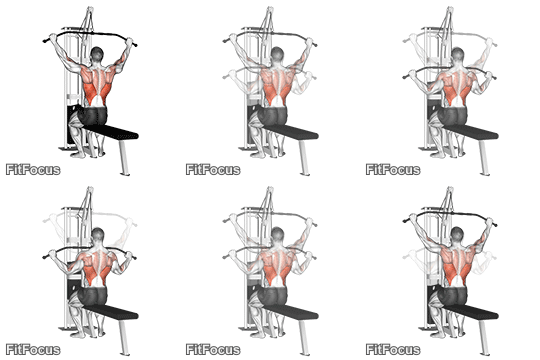 Cable Pulldown (pro Lat Bar)Lats · Cable · Intermediate
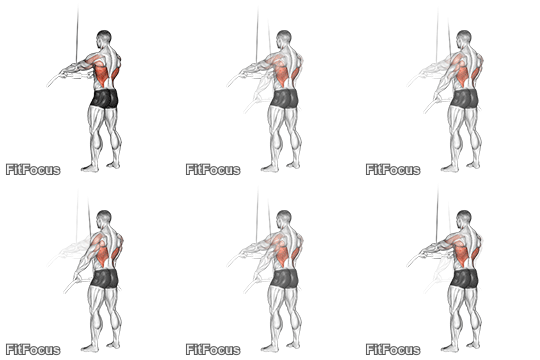 Cable Straight Arm PulldownLats · Cable · Intermediate
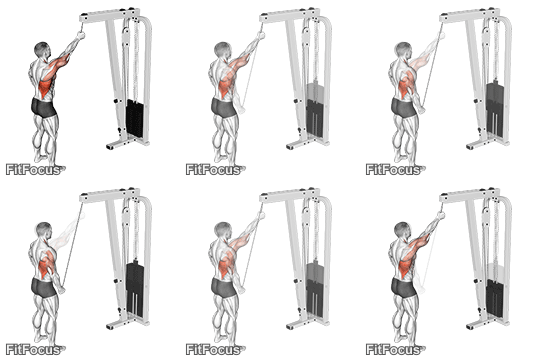 Cable One Arm PulldownLats · Cable · Advanced
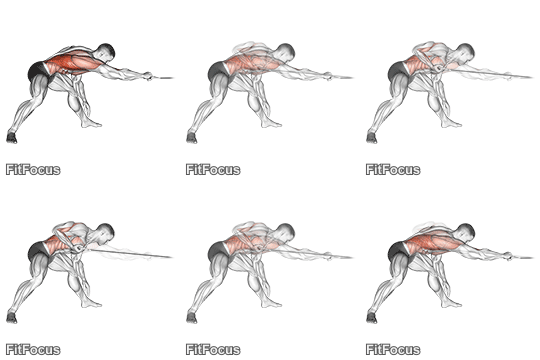 Cable Twisting PullLats · Cable · Advanced
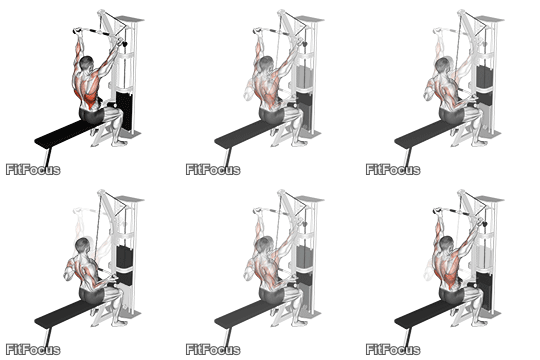 Cable Underhand PulldownLats · Cable · Intermediate
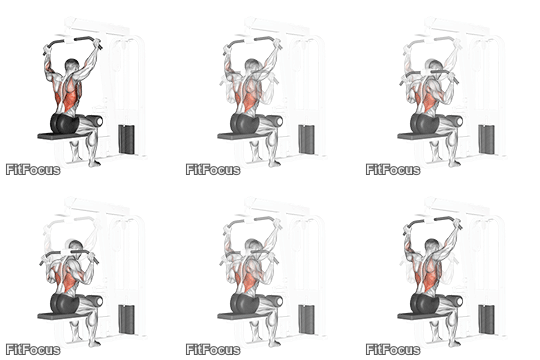 Cable Rear PulldownLats · Cable · Advanced
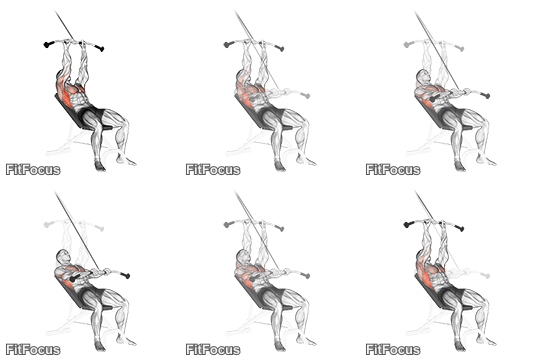 Cable Incline PushdownLats · Cable · Advanced
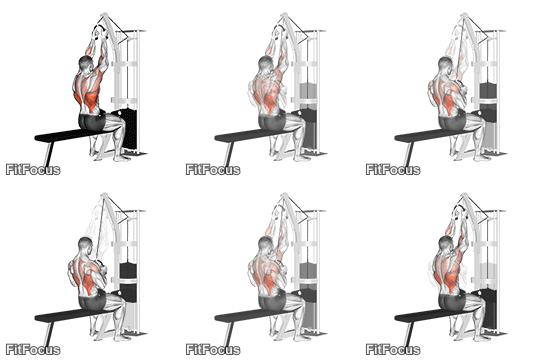 Cable Lateral Pulldown (with Rope Attachment)Lats · Cable · Advanced
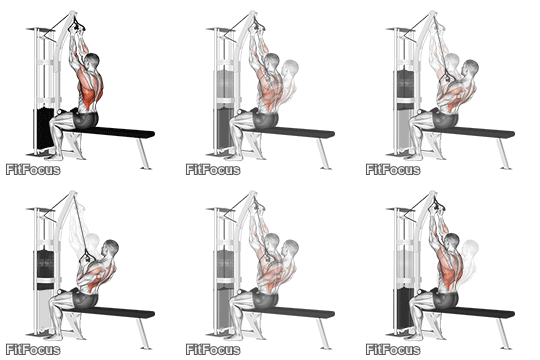 Cable Seated High Row (v-bar)Lats · Cable · Intermediate
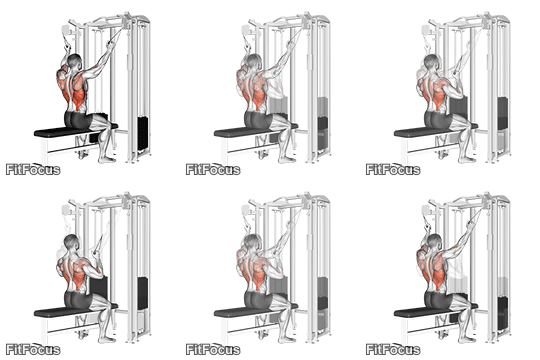 Twin Handle Parallel Grip Lat PulldownLats · Cable · Advanced
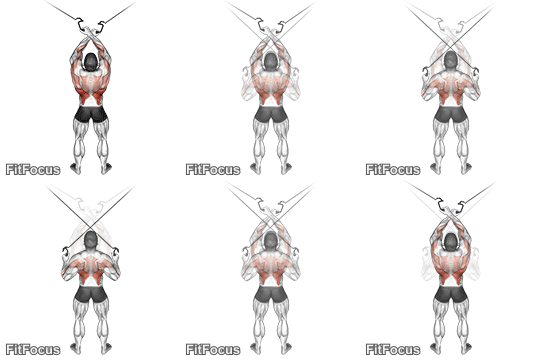 Cable Cross-over Lateral PulldownLats · Cable · Advanced
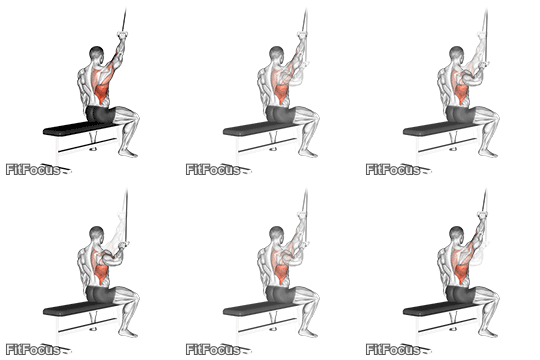 Alternate Lateral PulldownLats · Cable · Beginner
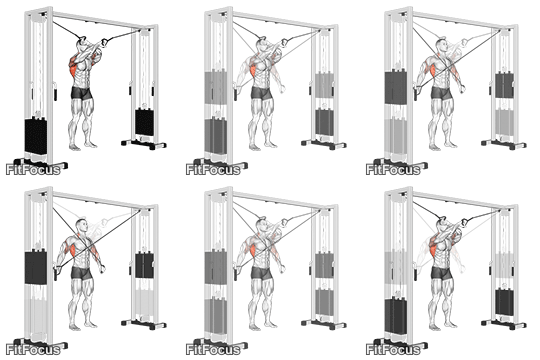 Cable Lat Pulldown Full Range Of MotionLats · Cable · Intermediate
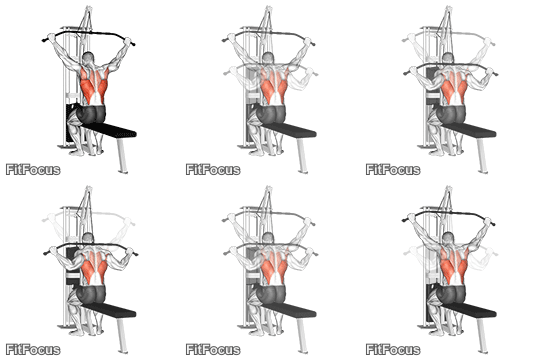 Cable Wide Grip Rear Pulldown Behind NeckLats · Cable · Intermediate
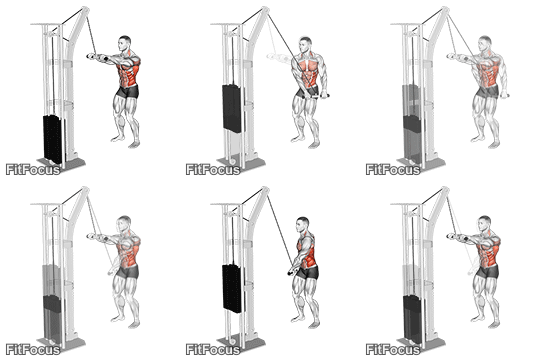 Cable Thibaudeau Kayak RowLats · Cable · Intermediate
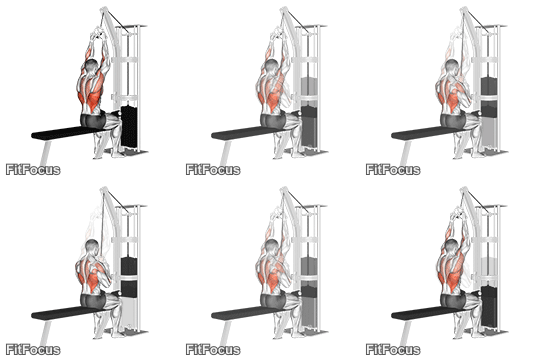 Cable Lateral Pulldown With V-barLats · Cable · Intermediate
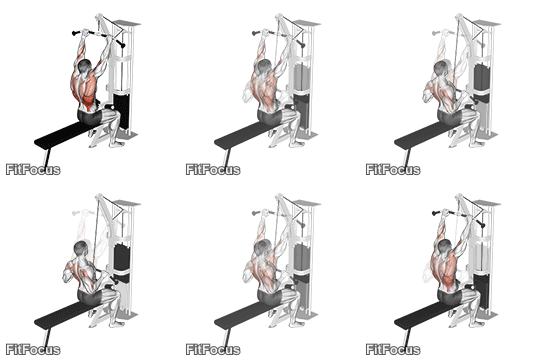 Cable Bar Lateral PulldownLats · Cable · Advanced
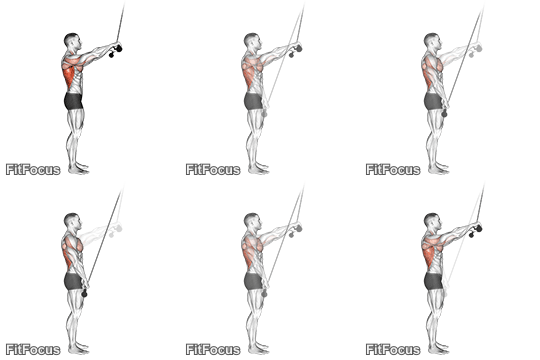 Cable Pushdown (straight Arm) V. 2Lats · Cable · Intermediate
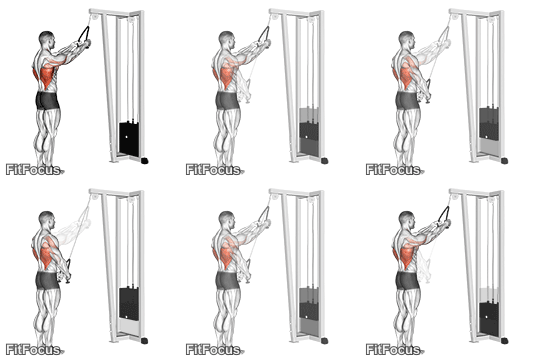 Cable Straight Arm Pulldown (with Rope)Lats · Cable · Advanced
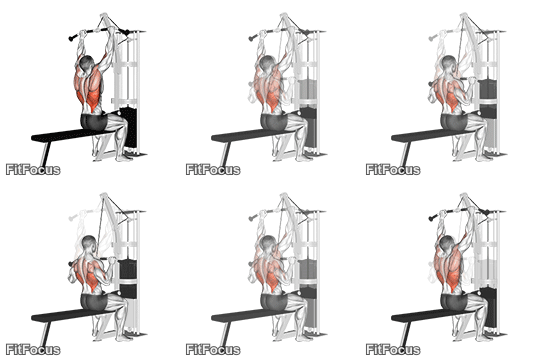 Cable PulldownLats · Cable · Advanced
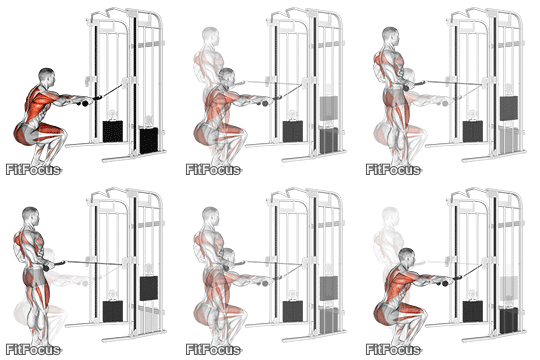 Cable Squat Row (with Rope Attachment)Lats · Cable · Advanced
Cable Back Training FAQ
Cable rows or barbell rows for back thickness?
Barbell rows load more total weight and hit the whole posterior chain, but the lower back often fails before the lats do. Cable rows remove that limit, so the target muscle gets the fatigue. Run barbell rows when you want overall strength and cable rows when you want the back specifically to do the work.
Should I use a wide or narrow grip on cable rows?
A narrower, neutral grip lets the elbow travel closer to the body and biases the lats. A wider grip with the elbows flaring out biases the rhomboids, traps, and rear delts. Neither is better in general; run both across the week so the whole back gets work.
Why do my biceps fail before my back on rows?
Usually because you are pulling with the hands rather than driving the elbows. Think about pulling the elbow back and down and letting the hand come along as a hook. A neutral or reverse grip, plus a brief pause at the contracted position, also shifts more of the work onto the back.