Bodyweight Back Exercises
Back training without equipment comes down to pulling your own bodyweight, and the angle you pull at sets the difficulty. An inverted row with bent knees is the entry point: the more upright your torso, the lighter the row, so you can dial the load precisely by walking your feet in or out. Towel rows and standing one-arm rows let you self-resist when there is no bar at all, and they hit the lats, rhomboids, and rear delts that desk posture leaves weak.
Why train back with bodyweight
- Set the exact load by changing torso angle, no plates needed
- Directly trains the mid-back muscles that reverse rounded posture
- Inverted rows scale from complete beginner to weighted advanced work
- Self-resisted towel rows keep back training going with no bar at all
All 60 bodyweight back exercises
Every guide below includes an animated GIF demonstration, numbered form cues, the muscle it targets, and sets and reps for strength, hypertrophy, and endurance.
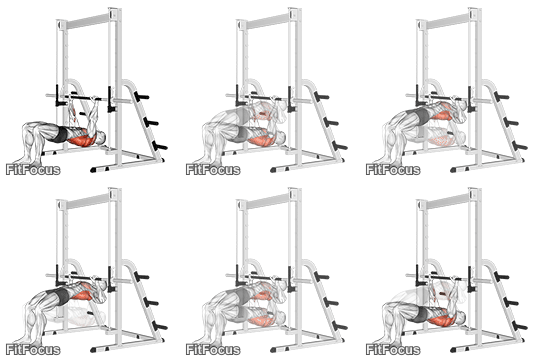 Inverted Row Bent KneesUpper Back · Body Weight · Beginner
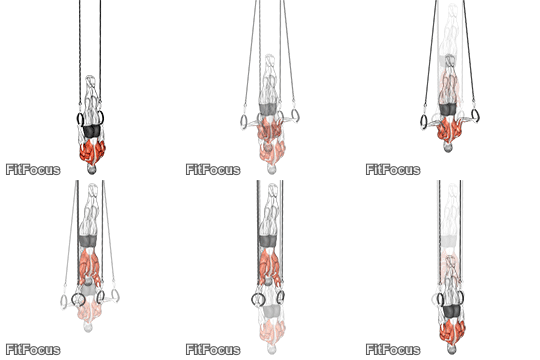 ElevatorUpper Back · Body Weight · Beginner
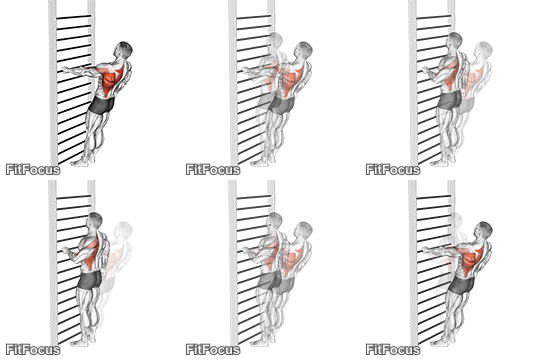 Bodyweight Standing One Arm RowUpper Back · Body Weight · Advanced
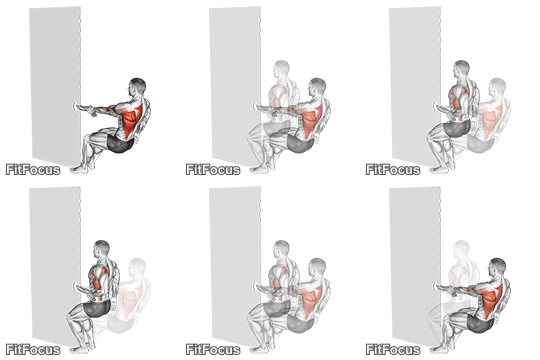 One Arm Towel RowUpper Back · Body Weight · Advanced
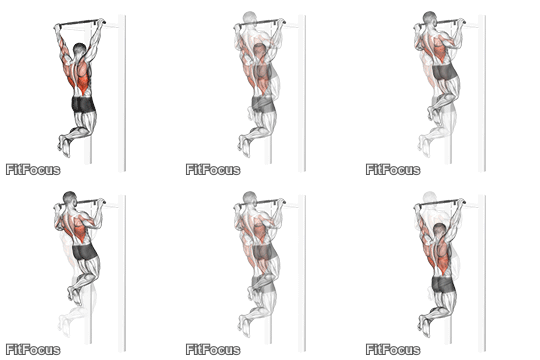 Pull-UpLats · Body Weight · Intermediate
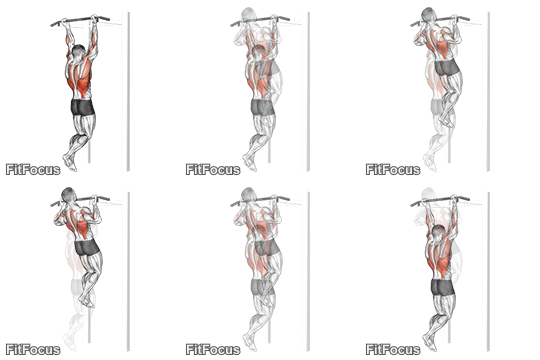 Chin-UpLats · Body Weight · Intermediate
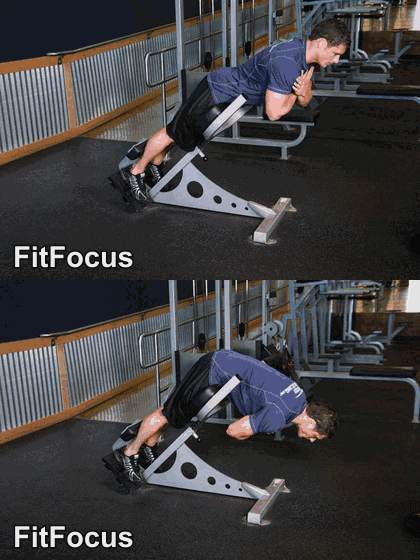 Back ExtensionLower Back · Body Weight · Beginner
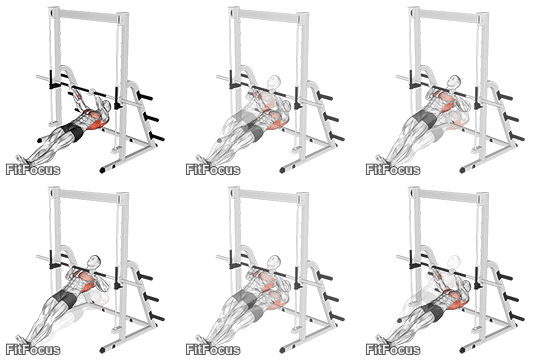 Inverted RowUpper Back · Body Weight · Beginner
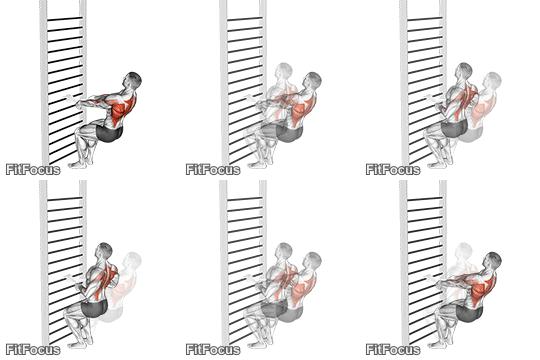 Bodyweight Squatting Row (with Towel)Upper Back · Body Weight · Beginner
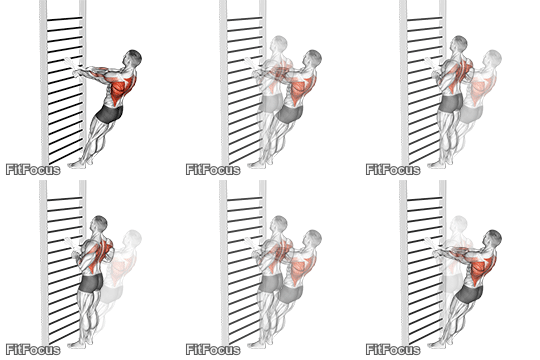 Bodyweight Standing Row (with Towel)Upper Back · Body Weight · Beginner
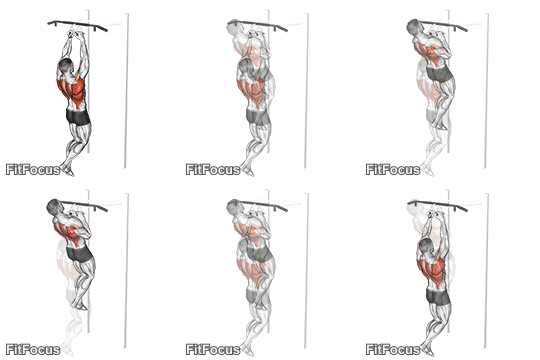 Chin-ups (narrow Parallel Grip)Upper Back · Body Weight · Beginner
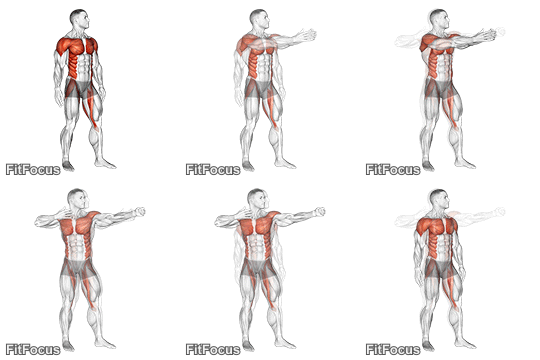 Standing ArcherUpper Back · Body Weight · Advanced
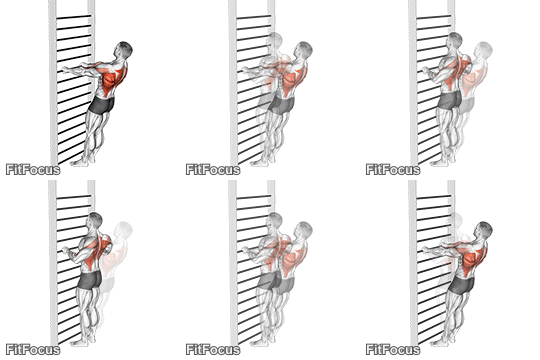 Bodyweight Standing RowUpper Back · Body Weight · Advanced
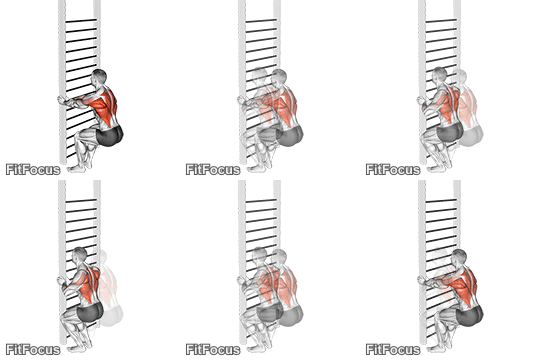 Bodyweight Squatting RowUpper Back · Body Weight · Beginner
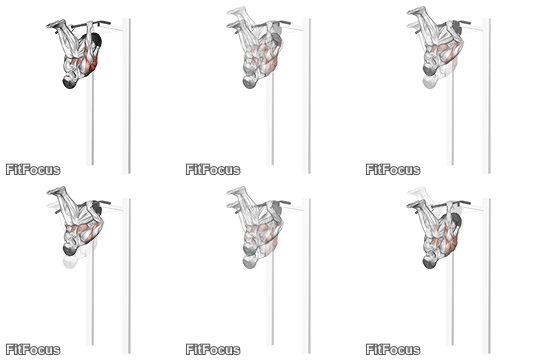 Inverted Row V. 2Upper Back · Body Weight · Intermediate
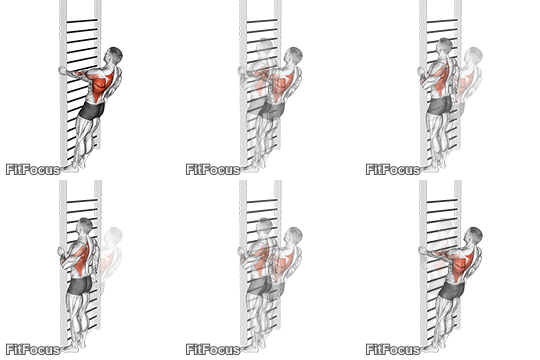 Bodyweight Standing Close-grip One Arm RowUpper Back · Body Weight · Advanced
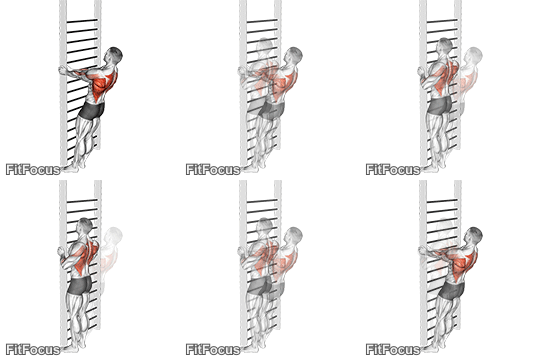 Bodyweight Standing Close-grip RowUpper Back · Body Weight · Intermediate
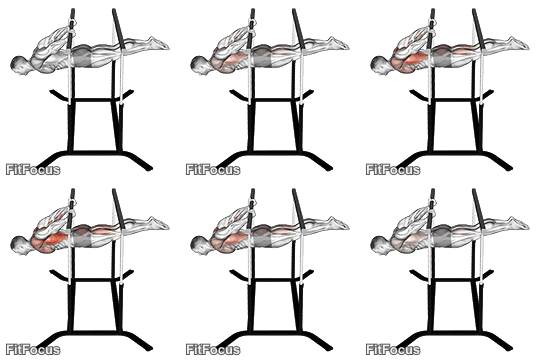 Back LeverUpper Back · Body Weight · Advanced
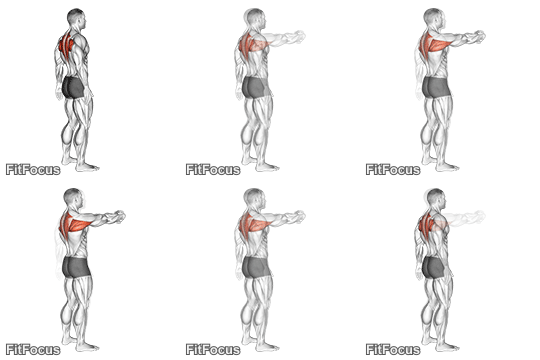 Upper Back StretchUpper Back · Body Weight · Intermediate
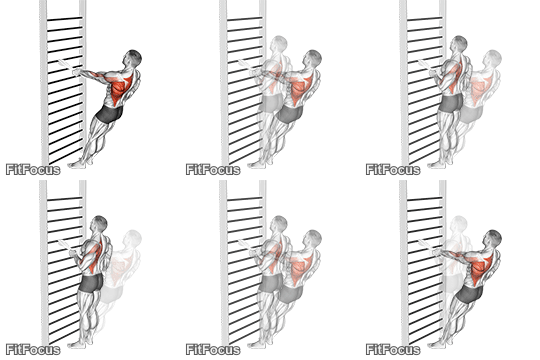 Bodyweight Standing One Arm Row (with Towel)Upper Back · Body Weight · Advanced
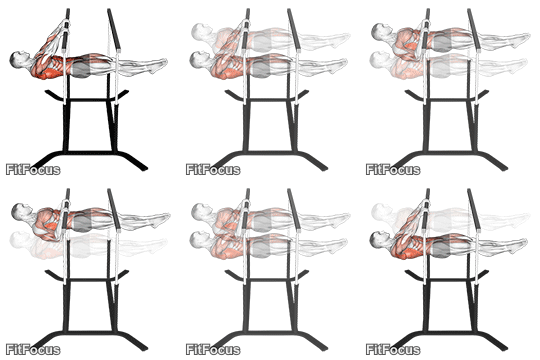 Front Lever RepsUpper Back · Body Weight · Advanced
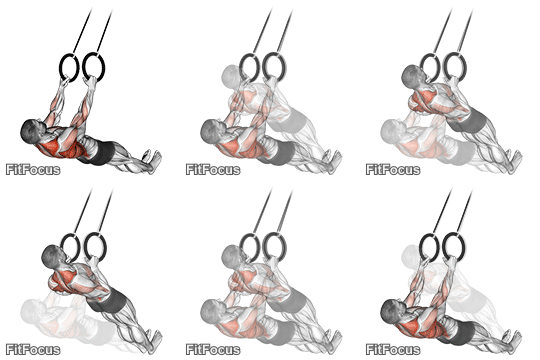 Suspended RowUpper Back · Body Weight · Advanced
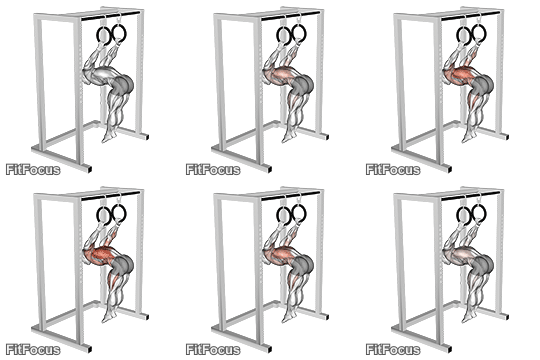 Skin The CatUpper Back · Body Weight · Intermediate
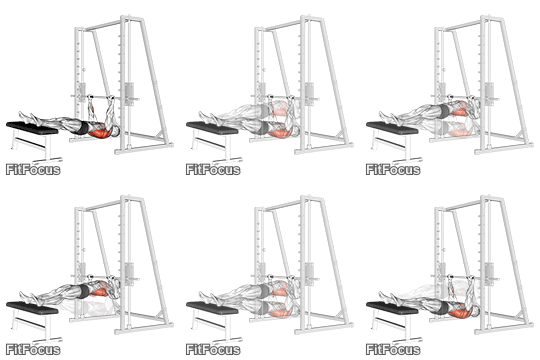 Inverted Row On BenchUpper Back · Body Weight · Advanced
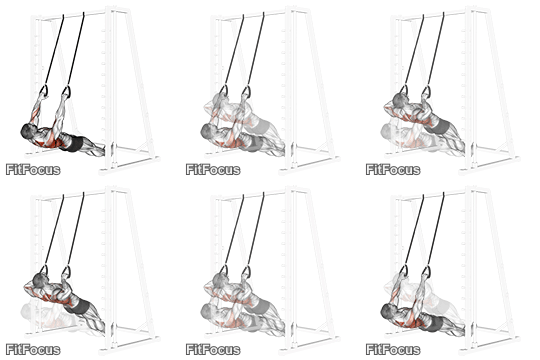 Inverted Row With StrapsUpper Back · Body Weight · Advanced
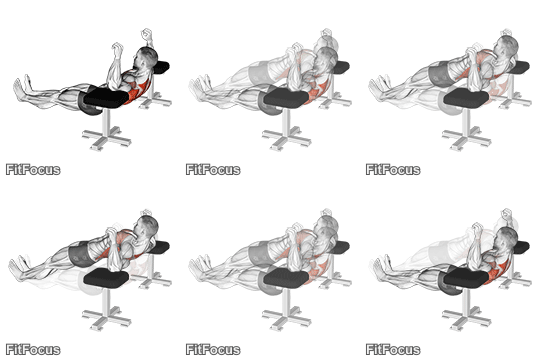 Elbow Lift - Reverse Push-upUpper Back · Body Weight · Beginner
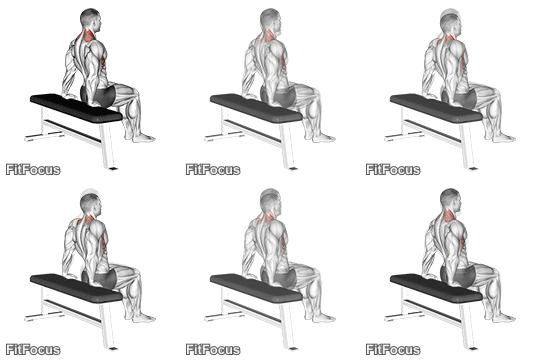 Scapula DipsTraps · Body Weight · Beginner
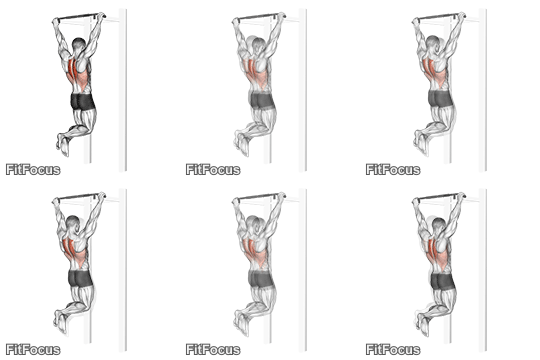 Scapular Pull-upTraps · Body Weight · Beginner
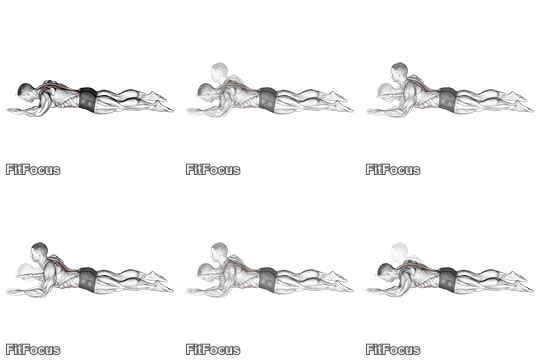 SphinxSpine · Body Weight · Beginner
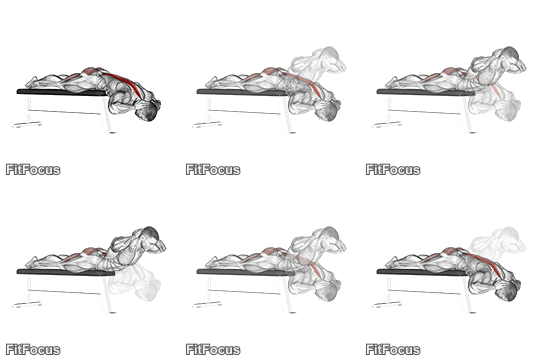 Hyperextension (on Bench)Spine · Body Weight · Beginner
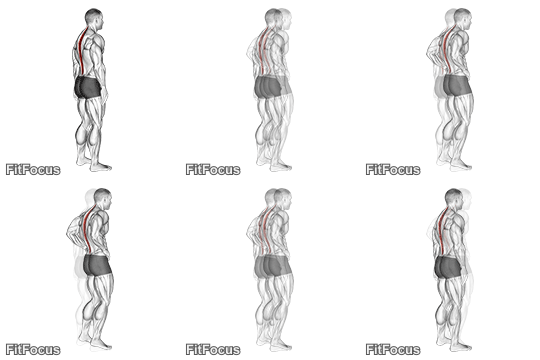 Standing Pelvic TiltSpine · Body Weight · Beginner
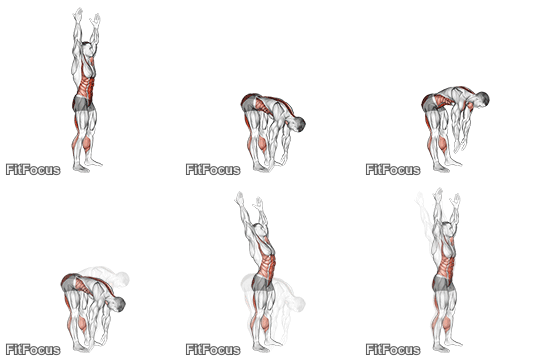 Two Toe Touch (male)Spine · Body Weight · Beginner
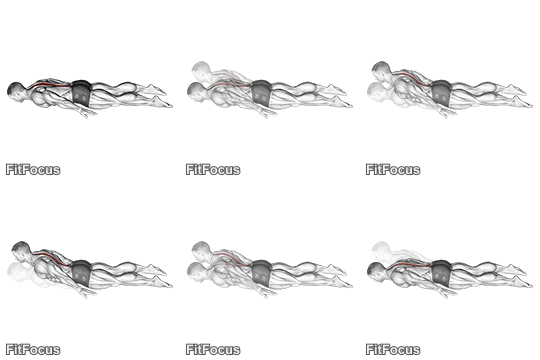 Lower Back CurlSpine · Body Weight · Beginner
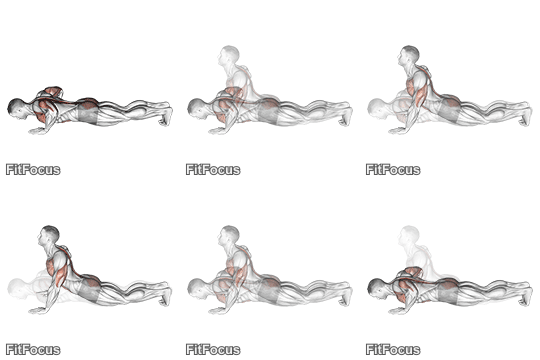 Upward Facing DogSpine · Body Weight · Intermediate
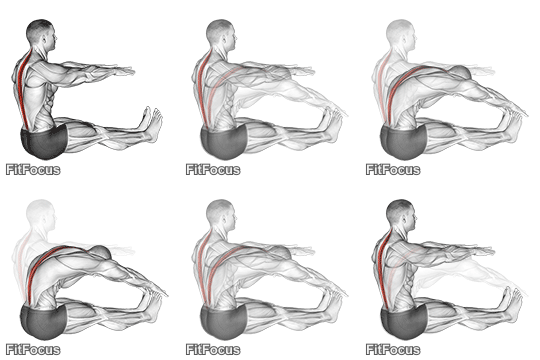 Spine StretchSpine · Body Weight · Intermediate
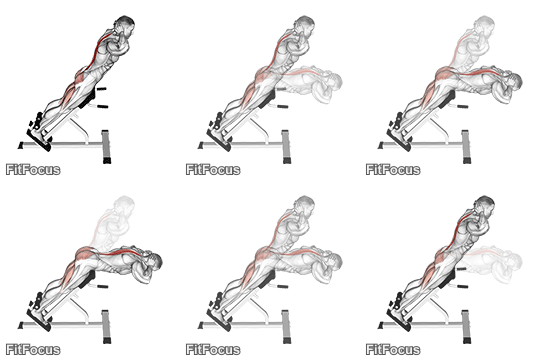 HyperextensionSpine · Body Weight · Beginner
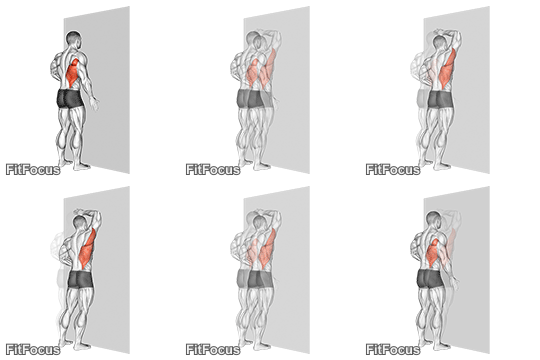 One Arm Against WallLats · Body Weight · Advanced
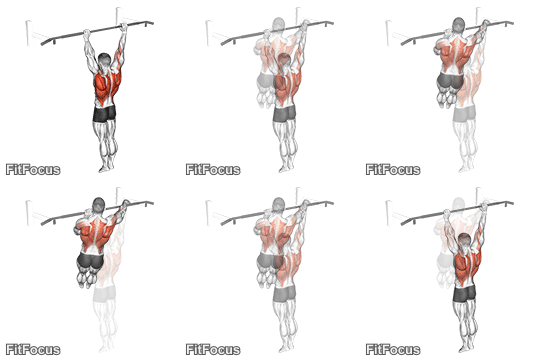 Archer Pull UpLats · Body Weight · Intermediate
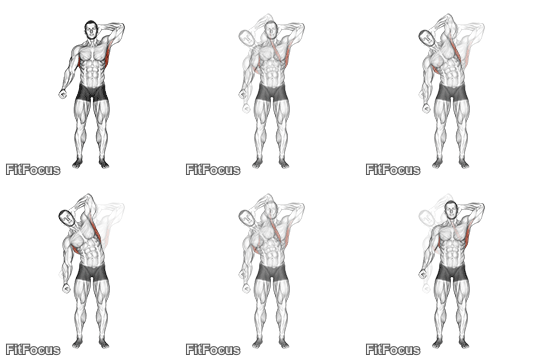 Standing Lateral StretchLats · Body Weight · Intermediate
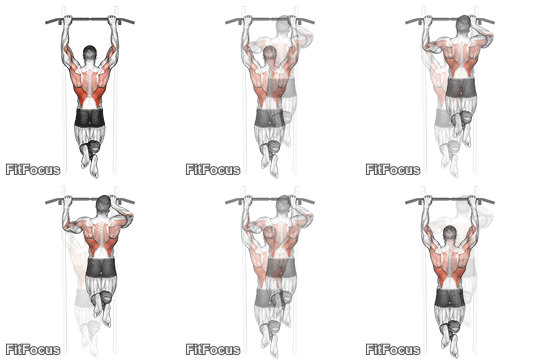 Side-to-side ChinLats · Body Weight · Intermediate
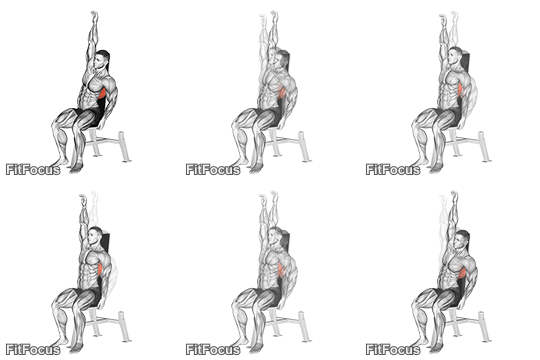 Seated Lower Back StretchLats · Body Weight · Beginner
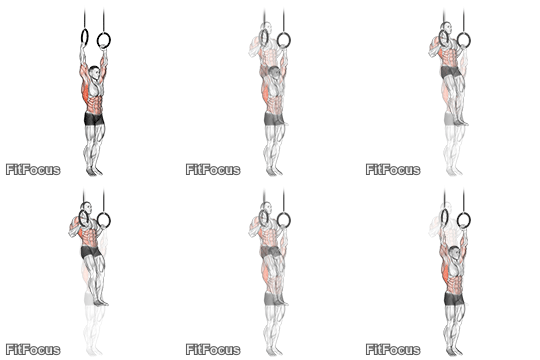 Muscle UpLats · Body Weight · Advanced
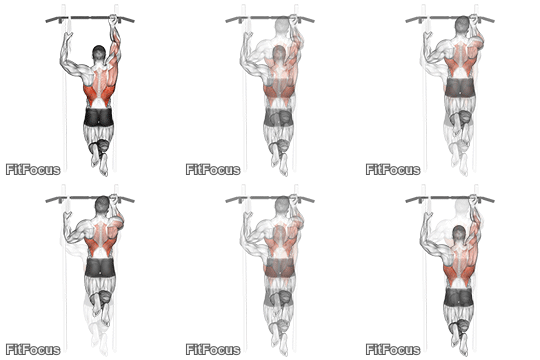 One Arm Chin-upLats · Body Weight · Advanced
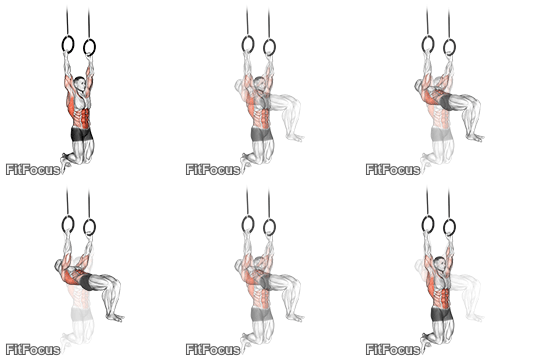 Kipping Muscle UpLats · Body Weight · Advanced
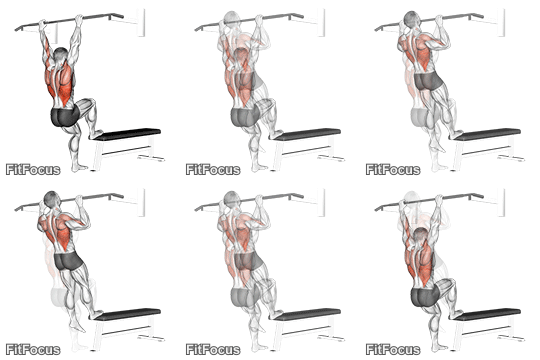 Bench Pull-upsLats · Body Weight · Advanced
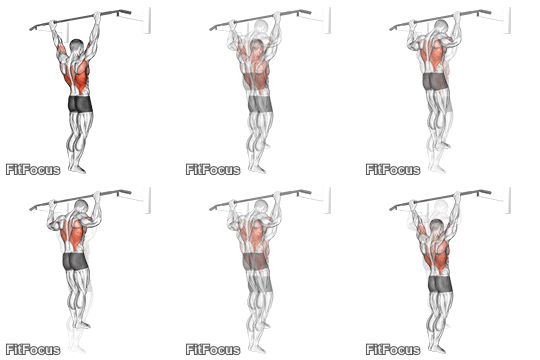 Wide Grip Rear Pull-upLats · Body Weight · Intermediate
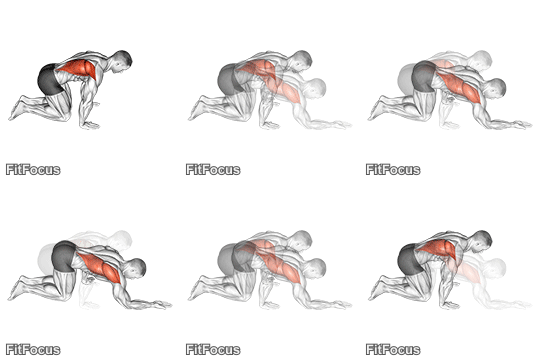 Kneeling Lat StretchLats · Body Weight · Intermediate
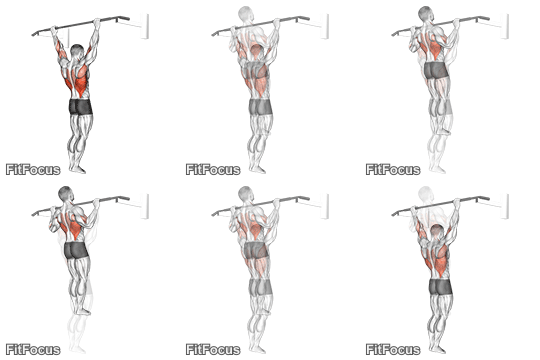 Wide Grip Pull-upLats · Body Weight · Beginner
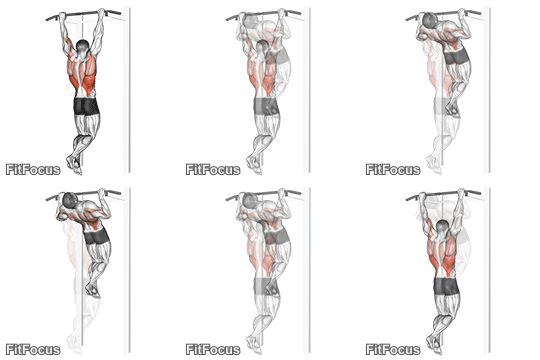 Rocky Pull-up PulldownLats · Body Weight · Intermediate
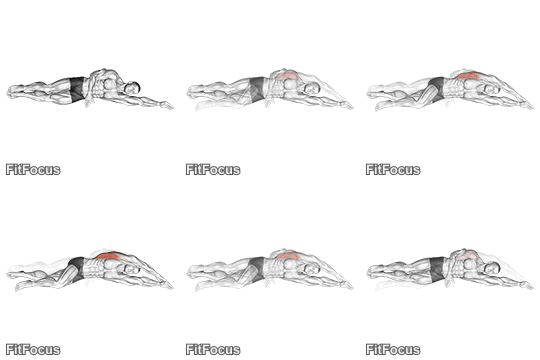 Side Lying Floor StretchLats · Body Weight · Intermediate
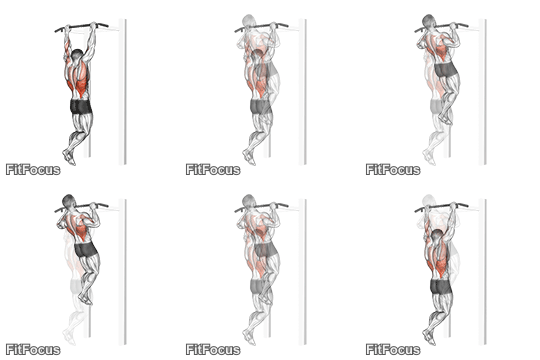 Gironda Sternum ChinLats · Body Weight · Intermediate
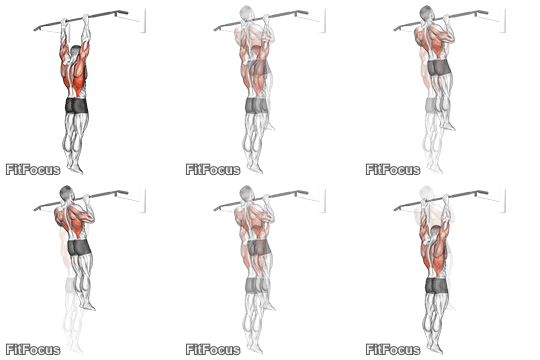 Shoulder Grip Pull-upLats · Body Weight · Beginner
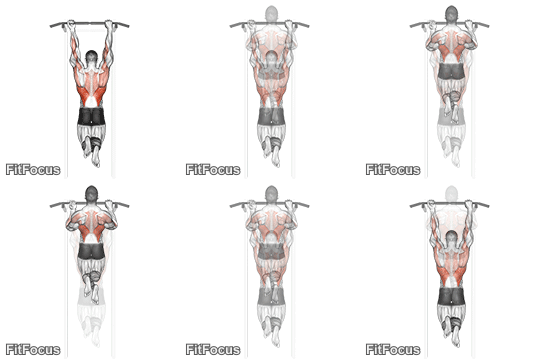 Mixed Grip Chin-upLats · Body Weight · Intermediate
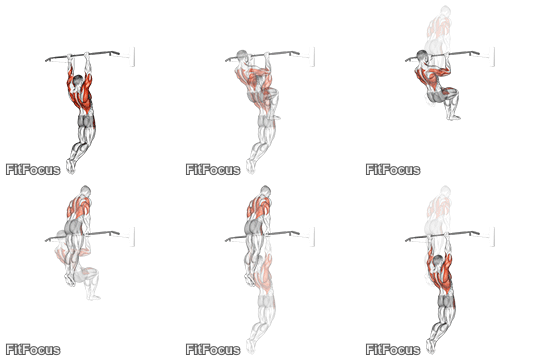 Muscle-up (on Vertical Bar)Lats · Body Weight · Intermediate
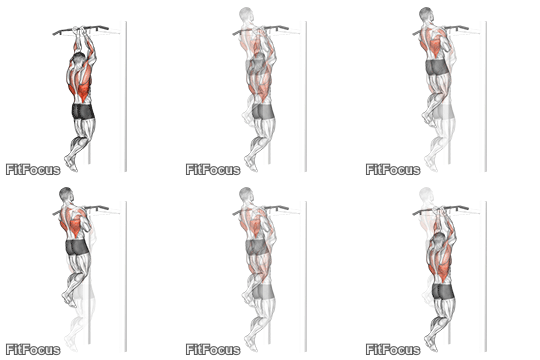 Close Grip Chin-upLats · Body Weight · Intermediate
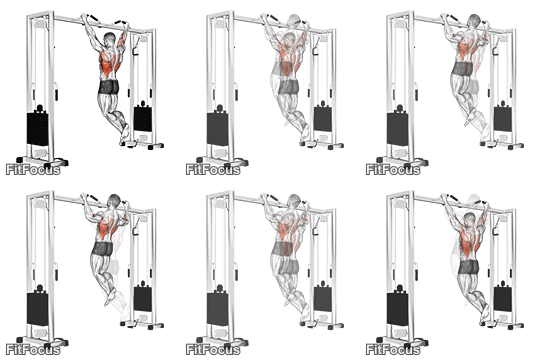 Pull Up (neutral Grip)Lats · Body Weight · Intermediate
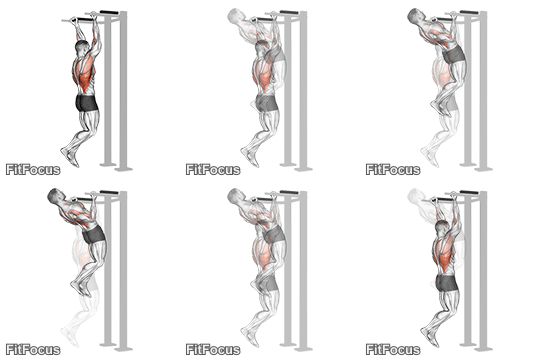 Reverse Grip Pull-upLats · Body Weight · Intermediate
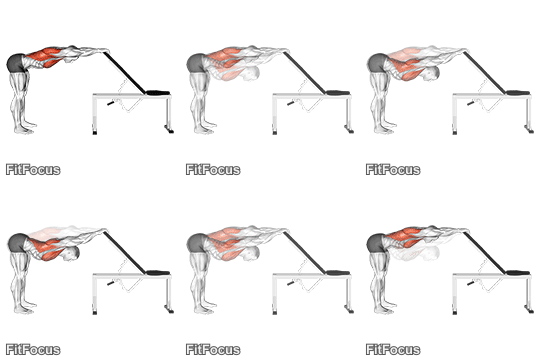 Back Pec StretchLats · Body Weight · Advanced
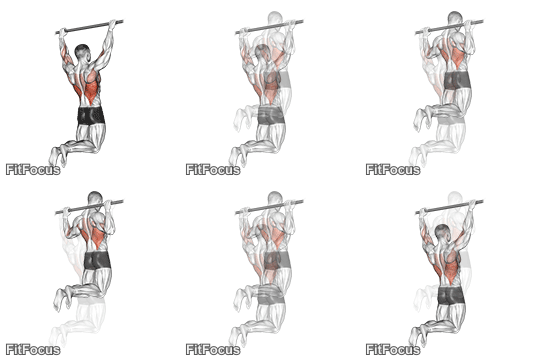 Rear Pull-upLats · Body Weight · Intermediate
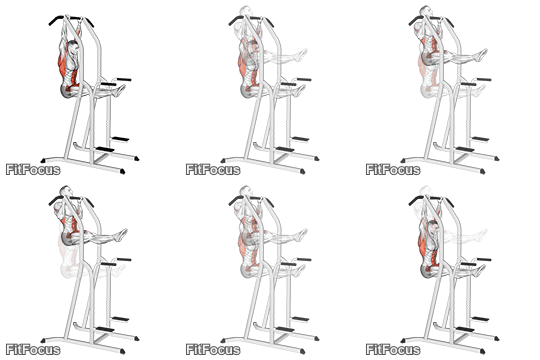 L-pull-upLats · Body Weight · Intermediate
Bodyweight Back Training FAQ
Can I train back at home without a pull-up bar?
Yes. Inverted rows under a sturdy table, towel rows where one arm resists the other, and standing one-arm rows against a doorframe all load the lats and mid-back. They are not a full replacement for weighted pulling, but they cover the horizontal pull that most home routines miss entirely, and they can be progressed by slowing the tempo and pausing at the top.
How do I make inverted rows harder?
Walk your feet further out until your body is horizontal, then elevate them above the bar so more of your bodyweight sits on the arms. After that, pause for two seconds with the bar touching your chest, or move to a single-arm row. Each step meaningfully raises the load without any added weight.
Are bodyweight rows enough for back width?
Rows build thickness better than width. Width comes from vertical pulling, so pair these with pull-ups or an assisted pull-up machine once you have access to a bar. If you only have bodyweight rows, vary the grip width and elbow path to bias the lats more, and accept that vertical pulling should join the routine as soon as it can.