Dumbbell Back Exercises
A dumbbell row is the most useful back exercise for anyone training without a full rack. One arm at a time means the working side gets the full range, the free hand braces on a bench so the lower back is not a limiting factor, and the load can be pulled all the way past the ribs instead of stopping at a bar. The list also covers the angles a barbell cannot reach: incline rows and Y-raises for the upper back, rear delt rows for the shoulder, and shrug variations for the traps.
Why train back with dumbbell
- Longer range than a barbell row because nothing stops at the chest
- Bench support takes the lower back out as the limiting factor
- Incline rows and Y-raises train the upper back a barbell misses
- One arm at a time keeps the strong side from covering the weak one
All 15 dumbbell back exercises
Every guide below includes an animated GIF demonstration, numbered form cues, the muscle it targets, and sets and reps for strength, hypertrophy, and endurance.
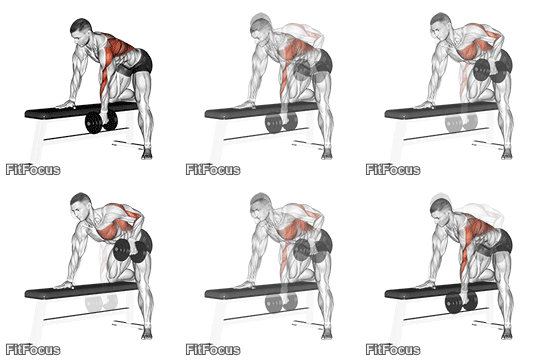 Dumbbell One Arm Bent-over RowUpper Back · Dumbbell · Intermediate
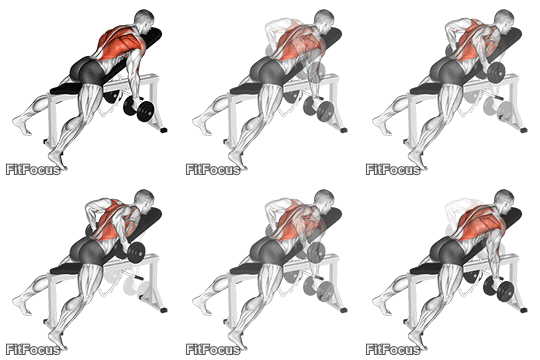 Dumbbell Lying Rear Delt RowUpper Back · Dumbbell · Advanced
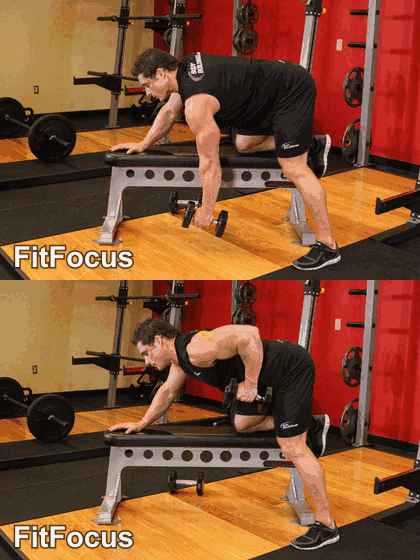 One-Arm Dumbbell RowLats · Dumbbell · Beginner
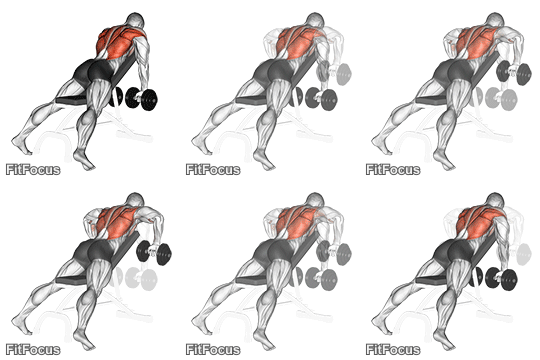 Dumbbell Incline RowUpper Back · Dumbbell · Intermediate
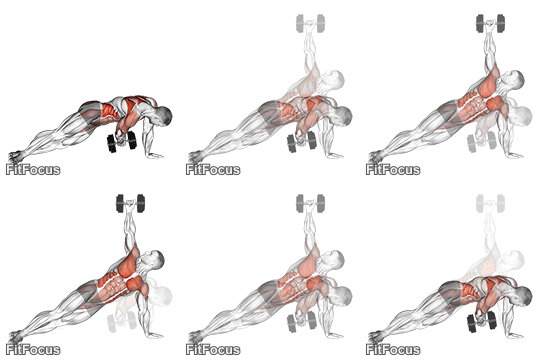 Dumbbell Side Plank With Rear FlyUpper Back · Dumbbell · Advanced
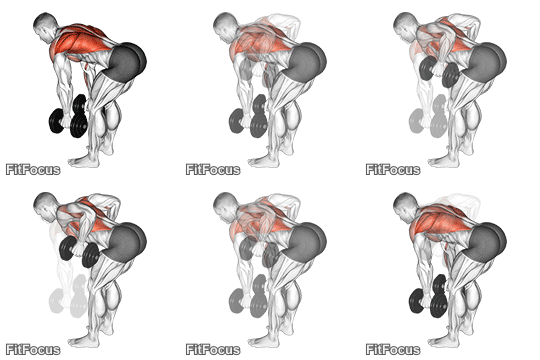 Dumbbell Bent Over RowUpper Back · Dumbbell · Intermediate
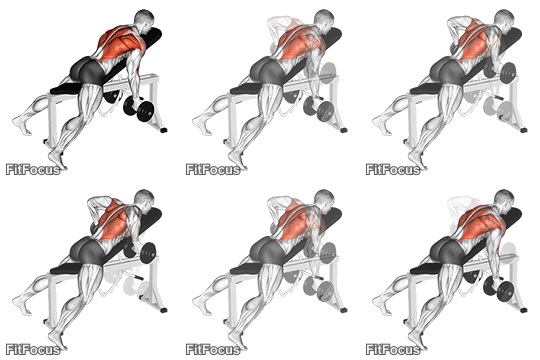 Dumbbell Reverse Grip Incline Bench Two Arm RowUpper Back · Dumbbell · Advanced
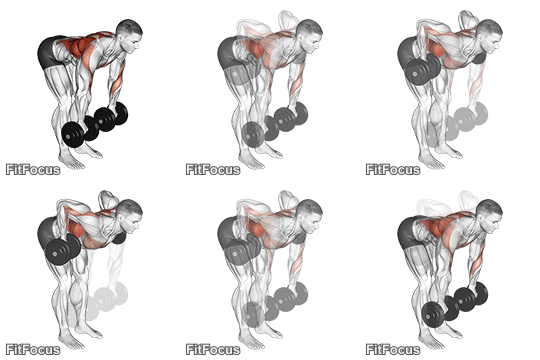 Dumbbell Palm Rotational Bent Over RowUpper Back · Dumbbell · Advanced
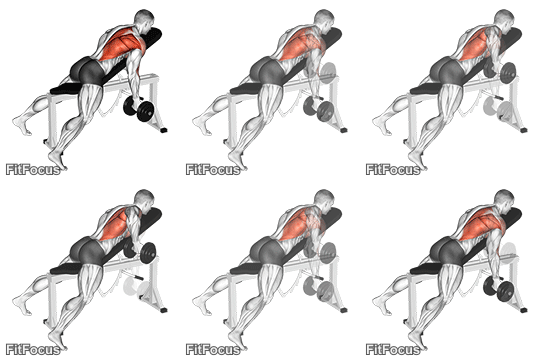 Dumbbell Reverse Grip Incline Bench One Arm RowUpper Back · Dumbbell · Advanced
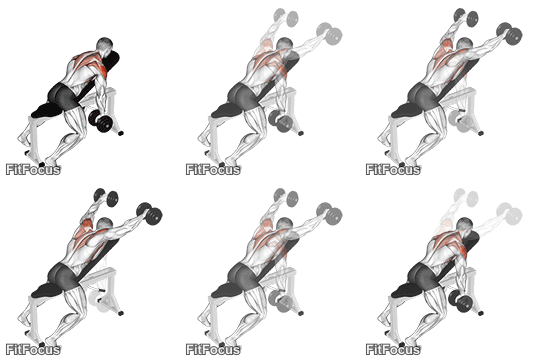 Dumbbell Incline Y-raiseUpper Back · Dumbbell · Beginner
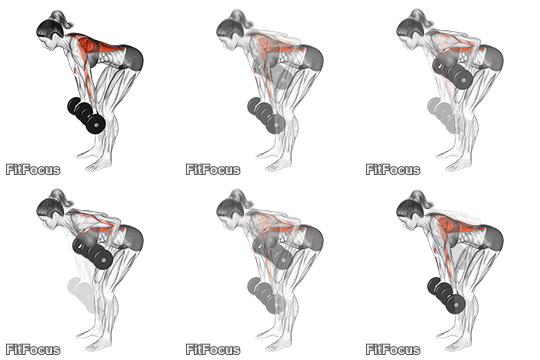 Dumbbell Reverse Grip Row (female)Upper Back · Dumbbell · Advanced
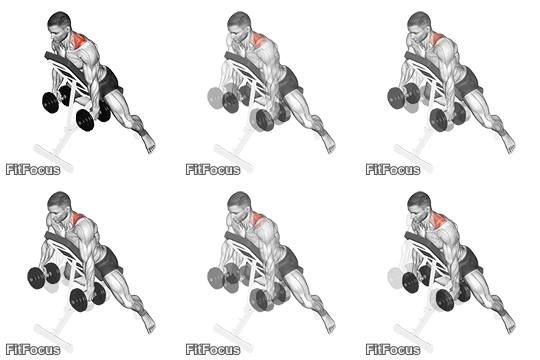 Dumbbell Decline ShrugTraps · Dumbbell · Intermediate
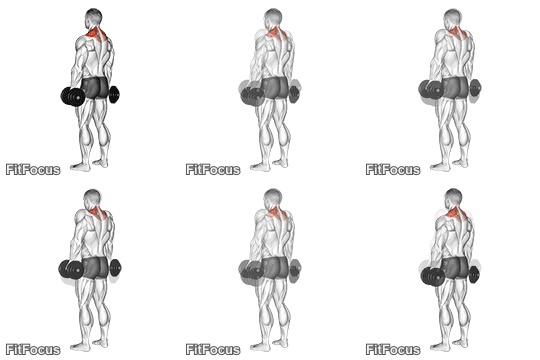 Dumbbell ShrugTraps · Dumbbell · Beginner
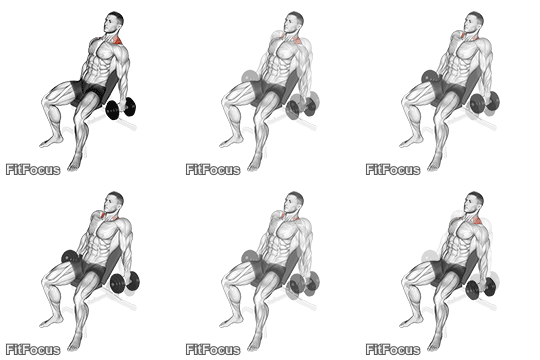 Dumbbell Incline ShrugTraps · Dumbbell · Beginner
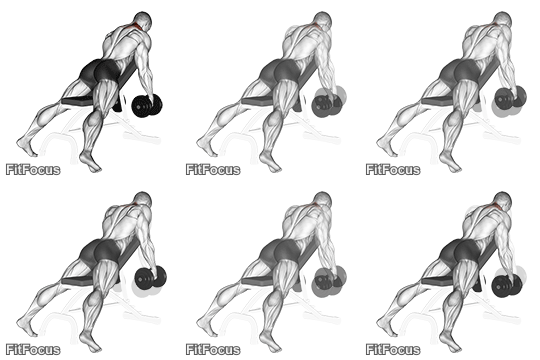 Dumbbell Decline Shrug V. 2Traps · Dumbbell · Intermediate
Dumbbell Back Training FAQ
What is the correct form for a one-arm dumbbell row?
Brace one hand and the same-side knee on a bench so the spine sits flat and roughly parallel to the floor. Let the dumbbell hang straight down, then pull the elbow back and past the ribs while keeping the torso still. If your shoulders are rotating up towards the ceiling on each rep, the weight is heavier than the back can move on its own.
Should I row with elbows tucked or flared?
Tucked close to the body biases the lats; flared out to around forty-five degrees biases the upper back and rear delts. Neither is wrong, so pick based on what you are trying to build. A simple approach is a tucked row as the heavy movement and a flared incline row or rear delt row as the lighter second exercise.
How heavy should dumbbell rows be?
Heavy enough that eight to twelve controlled reps is genuinely hard, which for most trained lifters means somewhere between twenty and forty kilos. The honest test is whether you can pause the dumbbell against your ribs for a full second on the last rep. If not, drop the weight until you can.