Barbell Leg Exercises
Nothing loads the legs like a barbell. Squat variations put the bar where you can drive the most weight through the quads and glutes, and the small plate jumps mean you can add load honestly for months. This collection runs from the split squat and bench squat, where the range is controlled and the balance demand is low, through to overhead squats and clean and press, where the bar exposes every gap in mobility and midline strength you have.
Why train leg with barbell
- The heaviest absolute loading available for quads, glutes, and hamstrings
- Small increments make month-over-month strength progress measurable
- Split and single-leg bar work fixes side-to-side imbalance under load
- Overhead and clean variations train the whole chain, not just the legs
All 59 barbell leg exercises
Every guide below includes an animated GIF demonstration, numbered form cues, the muscle it targets, and sets and reps for strength, hypertrophy, and endurance.
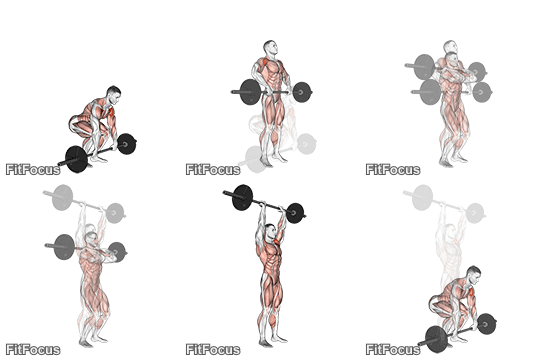 Barbell Clean And PressQuads · Barbell · Beginner
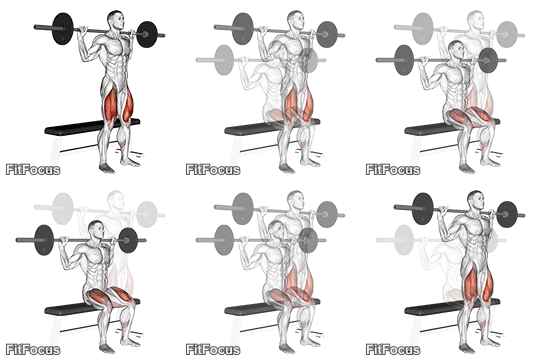 Barbell Bench SquatQuads · Barbell · Beginner
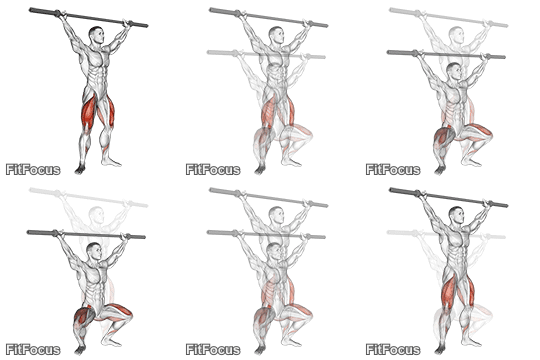 Barbell Overhead SquatQuads · Barbell · Intermediate
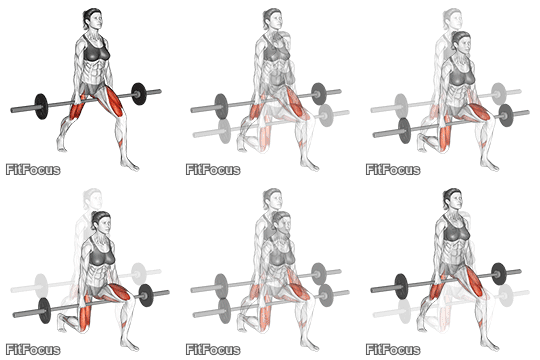 Barbell Split Squat V. 2Quads · Barbell · Intermediate
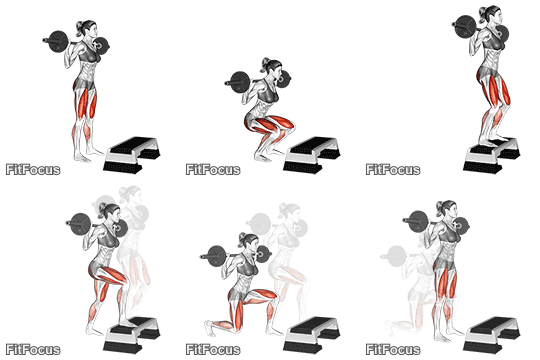 Barbell Squat Jump Step Rear LungeQuads · Barbell · Advanced
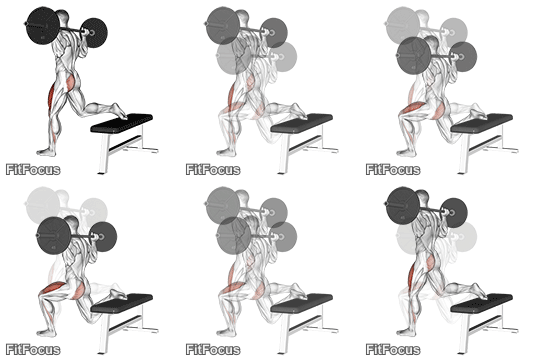 Barbell One Leg SquatQuads · Barbell · Advanced
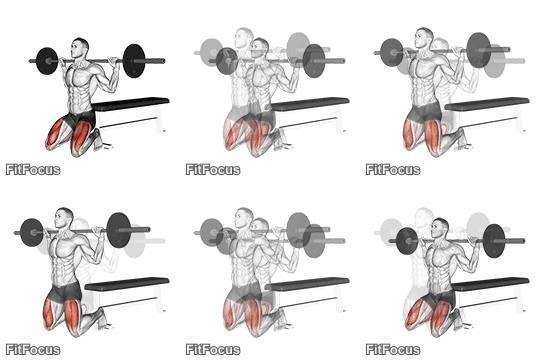 Barbell Squat (on Knees)Quads · Barbell · Advanced
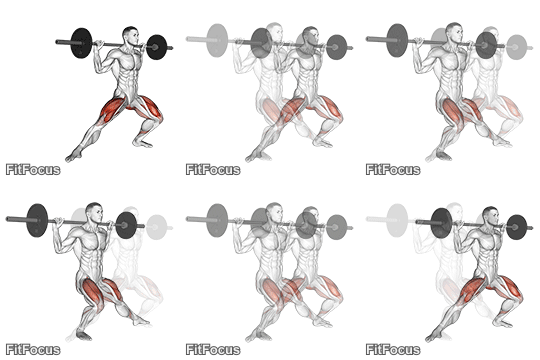 Barbell Side Split SquatQuads · Barbell · Advanced
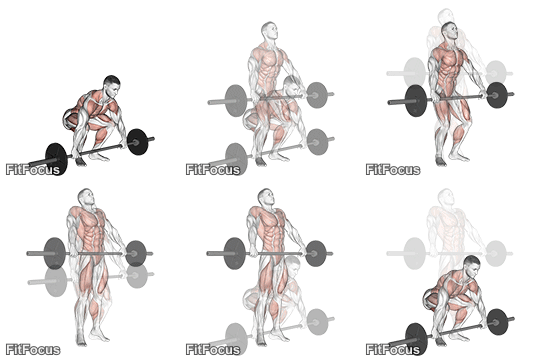 Snatch PullQuads · Barbell · Advanced
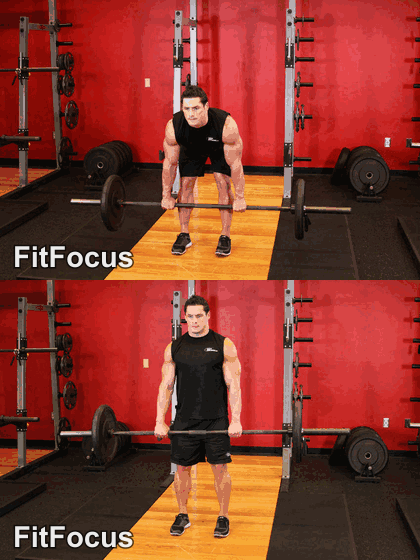 Romanian DeadliftHamstrings · Barbell · Intermediate
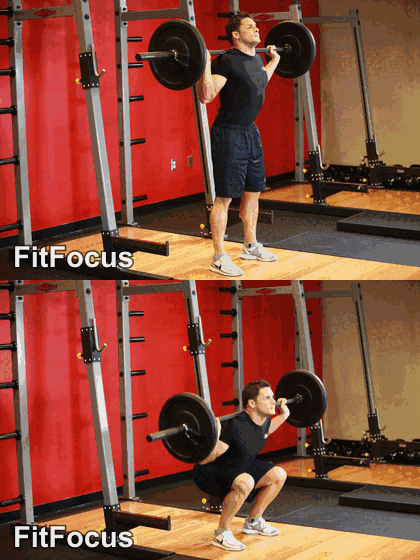 Barbell SquatQuads · Barbell · Intermediate
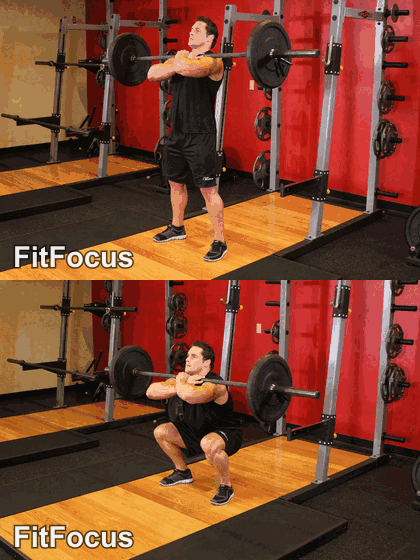 Front SquatQuads · Barbell · Intermediate
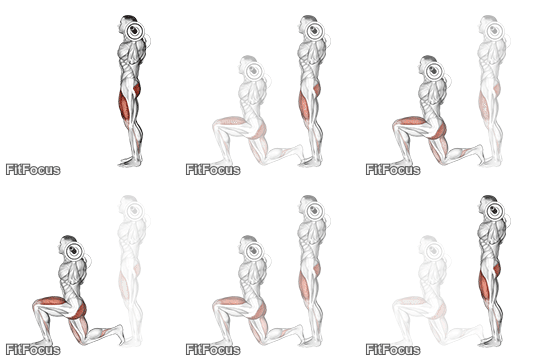 Barbell LungeQuads · Barbell · Intermediate
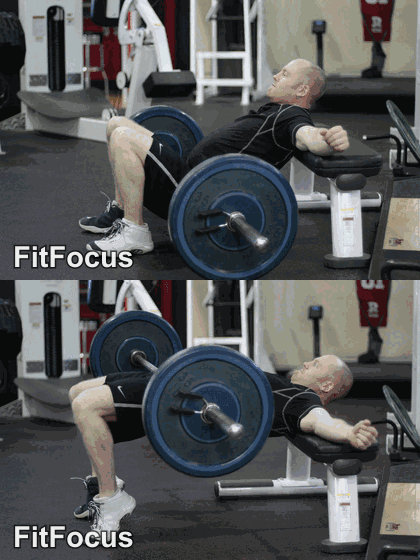 Barbell Hip ThrustGlutes · Barbell · Intermediate
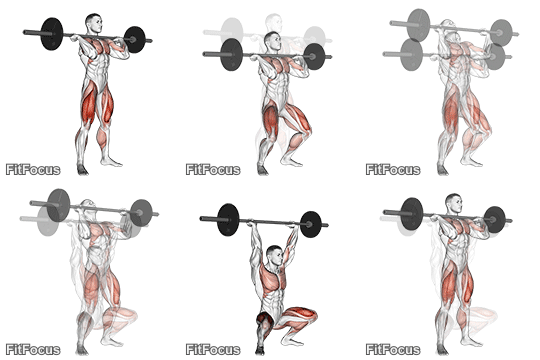 Squat JerkQuads · Barbell · Advanced
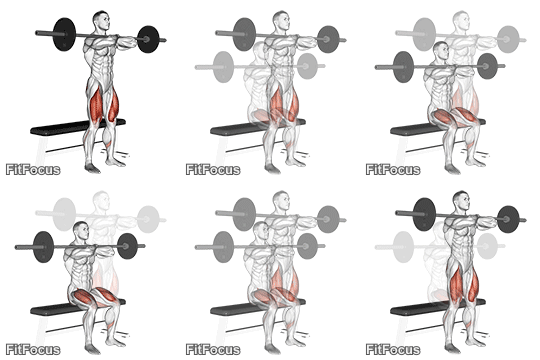 Barbell Bench Front SquatQuads · Barbell · Intermediate
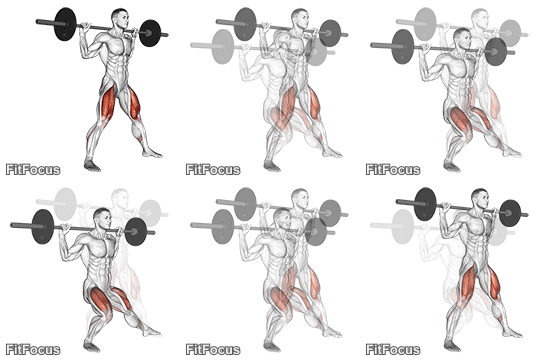 Barbell Side Split Squat V. 2Quads · Barbell · Advanced
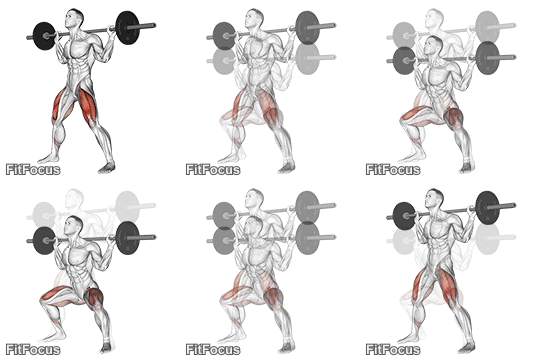 Barbell Wide SquatQuads · Barbell · Intermediate
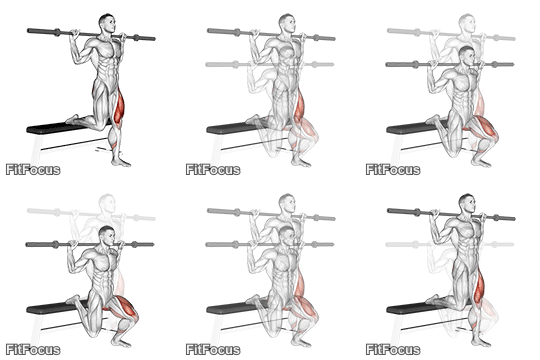 Barbell Single Leg Split SquatQuads · Barbell · Intermediate
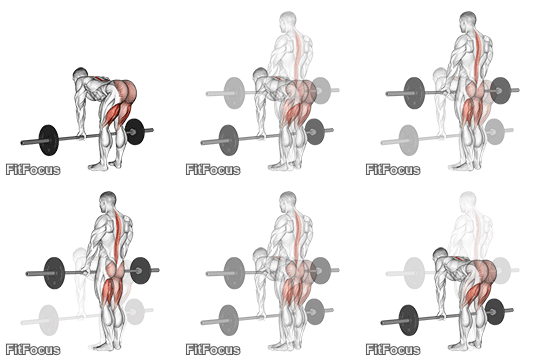 Barbell Straight Leg DeadliftHamstrings · Barbell · Intermediate
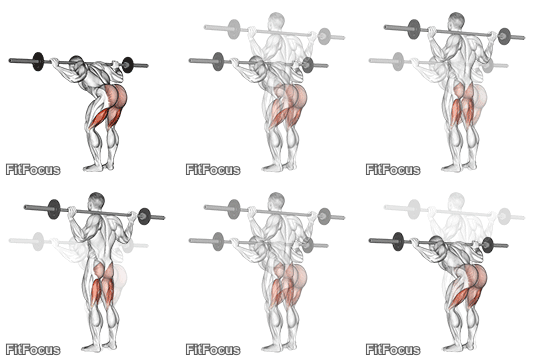 Barbell Good MorningHamstrings · Barbell · Intermediate
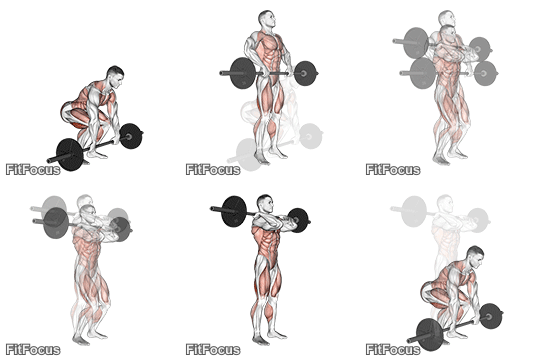 Power CleanHamstrings · Barbell · Advanced
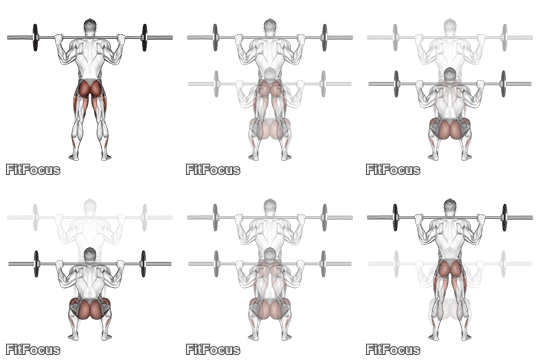 Barbell Full Squat (back POV)Glutes · Barbell · Advanced
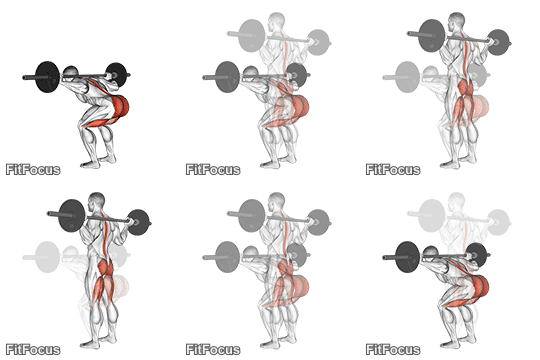 Barbell Stiff Leg Good MorningGlutes · Barbell · Intermediate
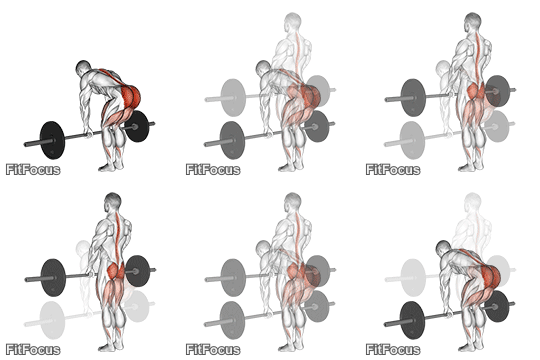 Barbell Romanian DeadliftGlutes · Barbell · Advanced
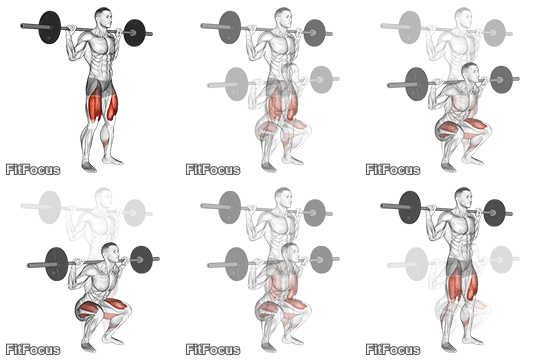 Barbell High Bar SquatGlutes · Barbell · Advanced
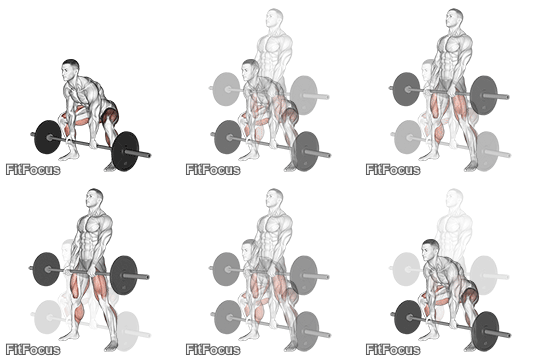 Barbell Sumo DeadliftGlutes · Barbell · Advanced
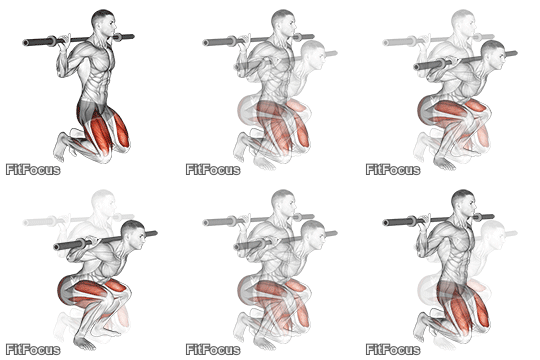 Kneeling Jump SquatGlutes · Barbell · Intermediate
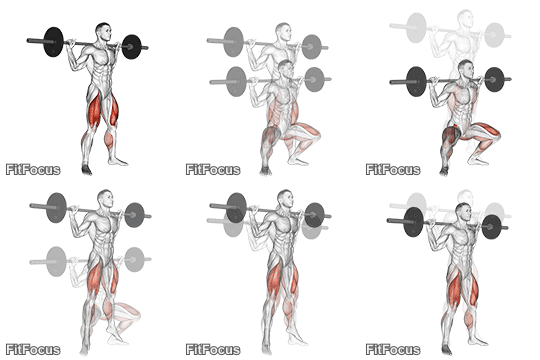 Barbell Jump SquatGlutes · Barbell · Intermediate
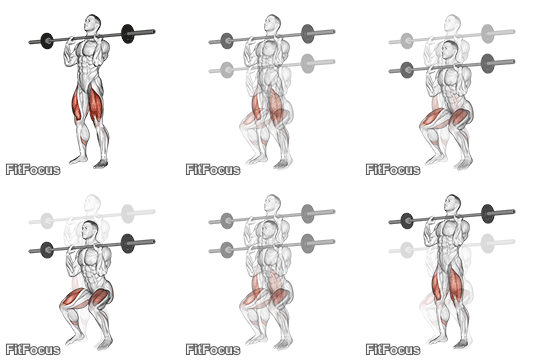 Barbell Front Chest SquatGlutes · Barbell · Advanced
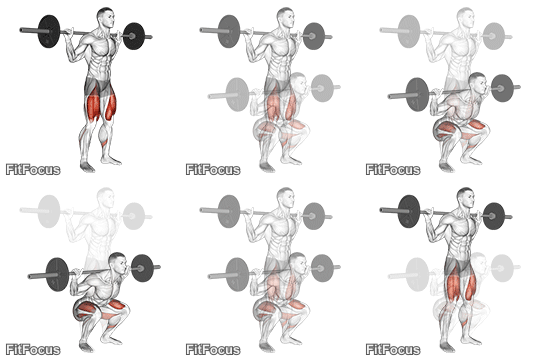 Barbell Low Bar SquatGlutes · Barbell · Intermediate
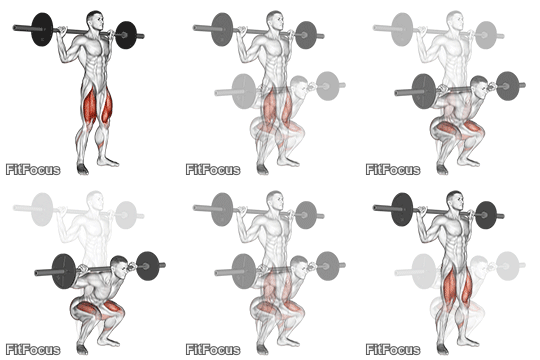 Barbell Speed SquatGlutes · Barbell · Intermediate
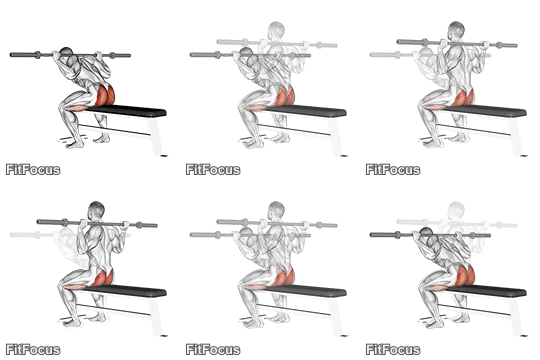 Barbell Seated Good MorningGlutes · Barbell · Intermediate
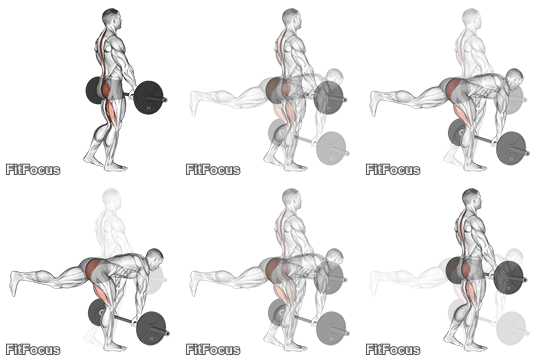 Barbell Single Leg DeadliftGlutes · Barbell · Intermediate
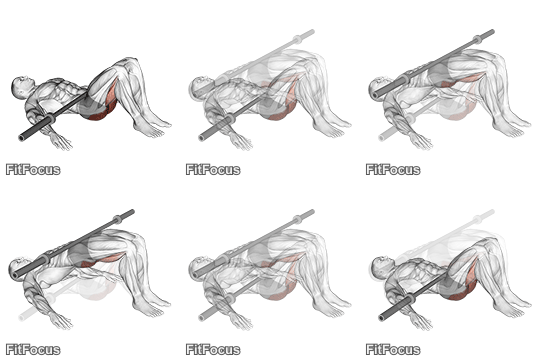 Barbell Glute BridgeGlutes · Barbell · Intermediate
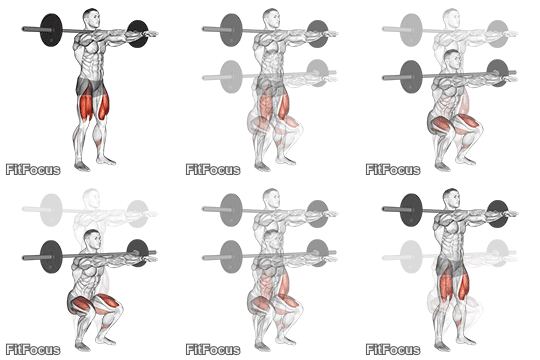 Frankenstein SquatGlutes · Barbell · Intermediate
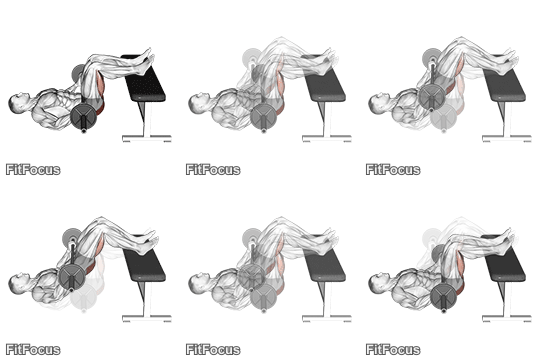 Barbell Glute Bridge Two Legs On Bench (male)Glutes · Barbell · Intermediate
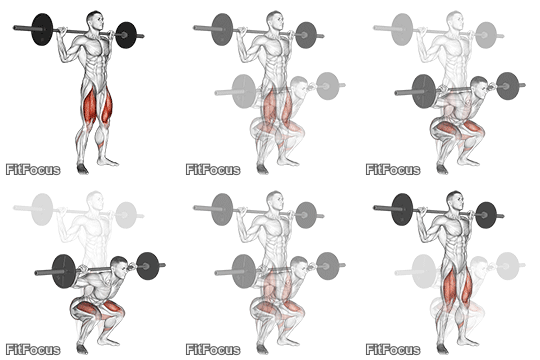 Barbell Full SquatGlutes · Barbell · Advanced
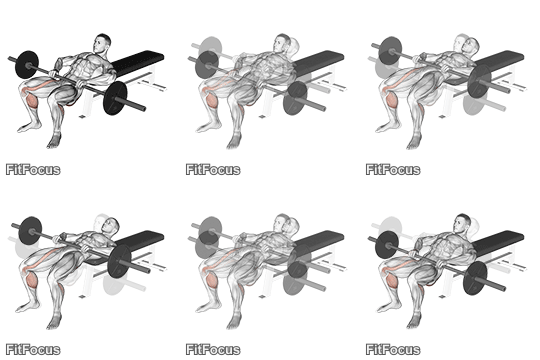 Barbell Lying Lifting (on Hip)Glutes · Barbell · Intermediate
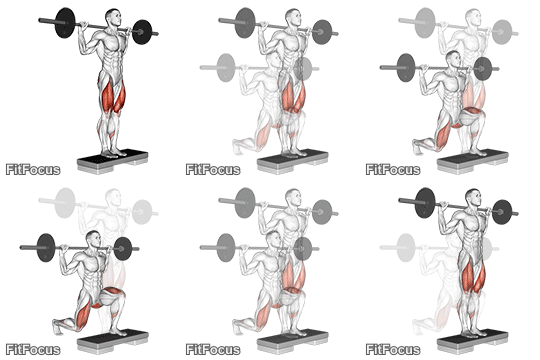 Barbell Rear Lunge V. 2Glutes · Barbell · Intermediate
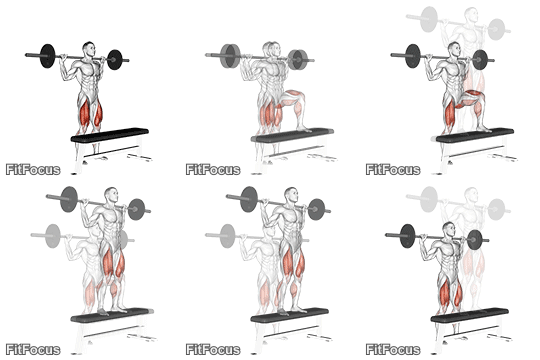 Barbell Step-upGlutes · Barbell · Intermediate
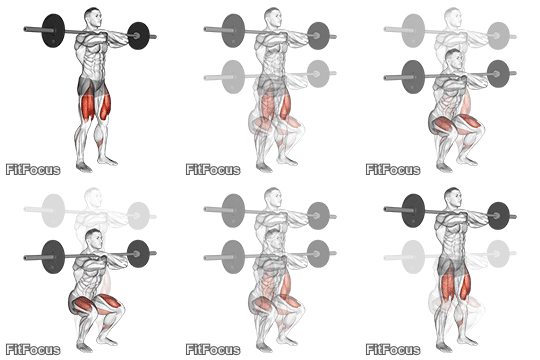 Barbell Front SquatGlutes · Barbell · Advanced
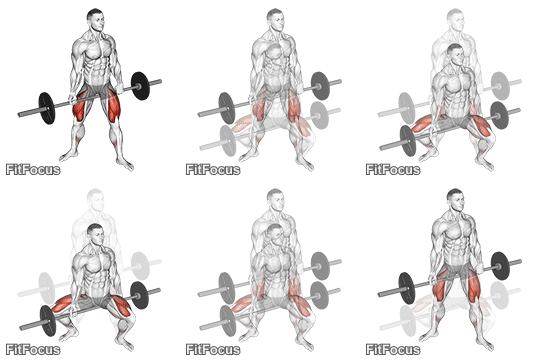 Barbell Jefferson SquatGlutes · Barbell · Intermediate
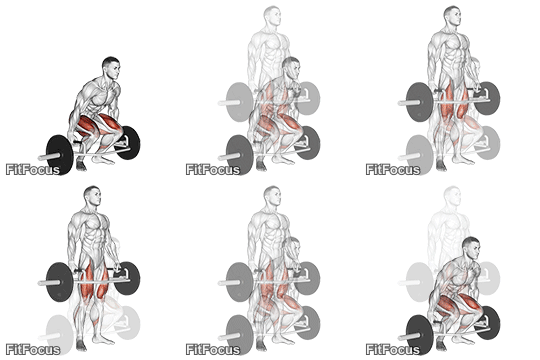 Trap Bar DeadliftGlutes · Trap Bar · Intermediate
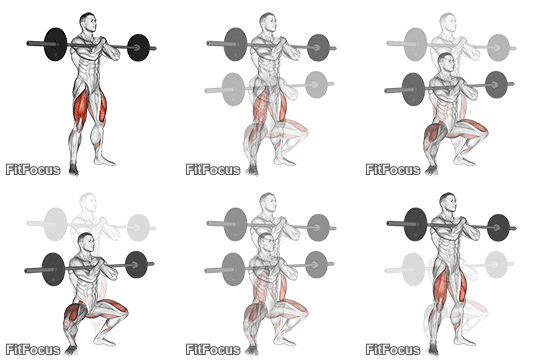 Barbell Zercher SquatGlutes · Barbell · Advanced
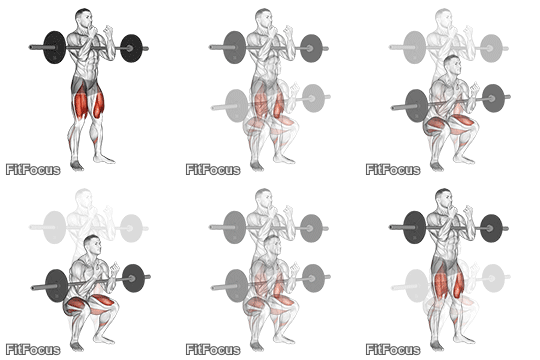 Barbell Full Zercher SquatGlutes · Barbell · Advanced
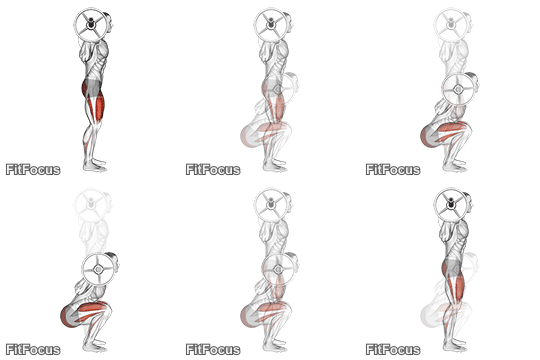 Barbell Full Squat (side POV)Glutes · Barbell · Advanced
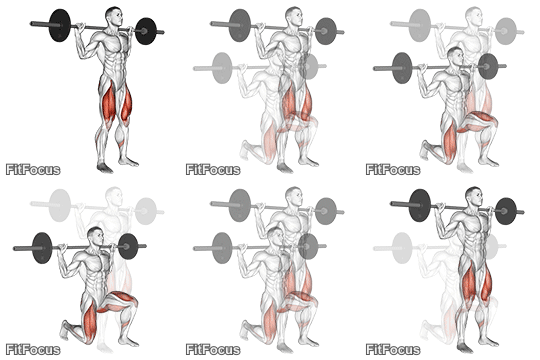 Barbell Rear LungeGlutes · Barbell · Intermediate
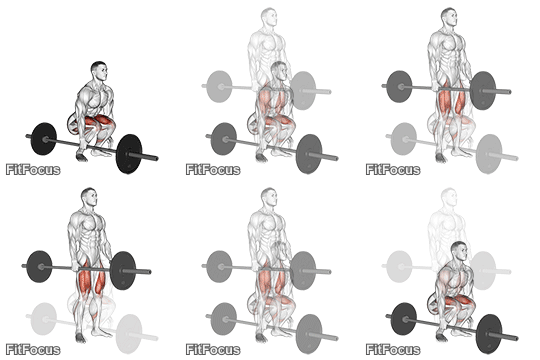 Barbell One Arm Side DeadliftGlutes · Barbell · Advanced
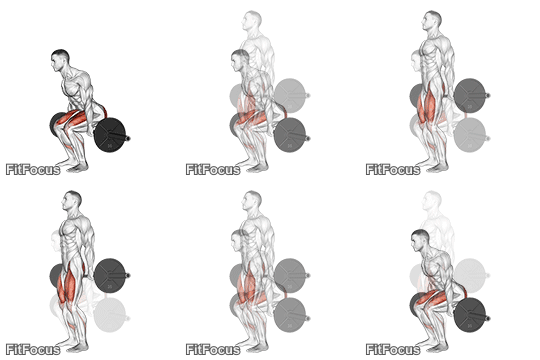 Barbell Hack SquatGlutes · Barbell · Intermediate
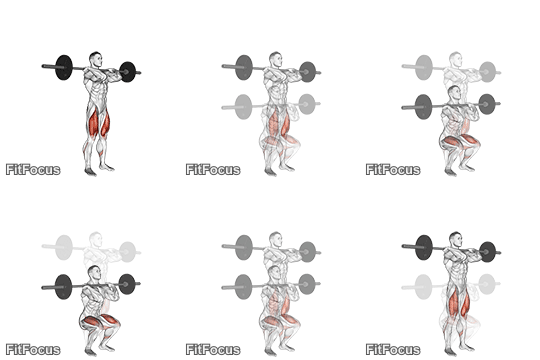 Barbell Clean-grip Front SquatGlutes · Barbell · Advanced
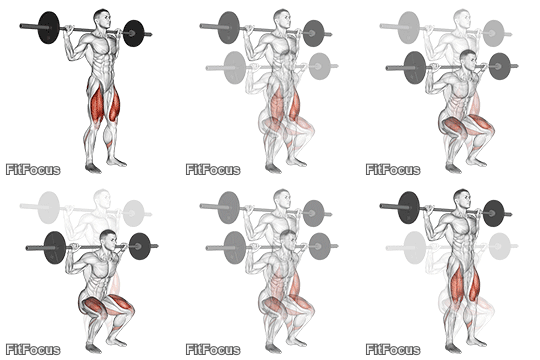 Barbell Narrow Stance SquatGlutes · Barbell · Intermediate
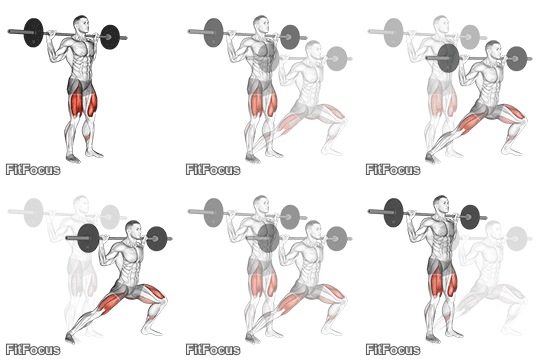 Barbell Lateral LungeGlutes · Barbell · Intermediate
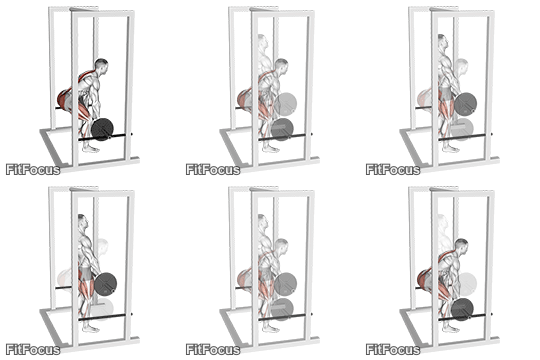 Barbell Rack PullGlutes · Barbell · Intermediate
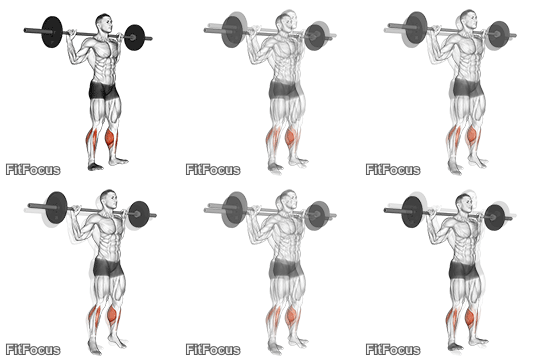 Barbell Standing Rocking Leg Calf RaiseCalves · Barbell · Intermediate
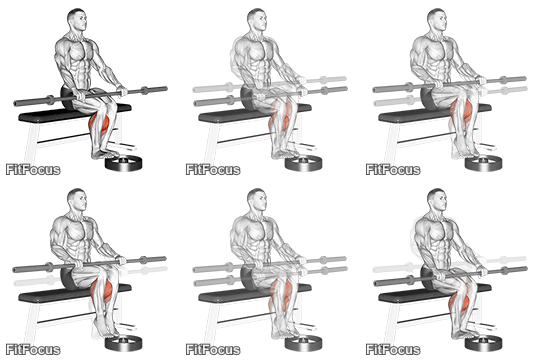 Barbell Seated Calf RaiseCalves · Barbell · Intermediate
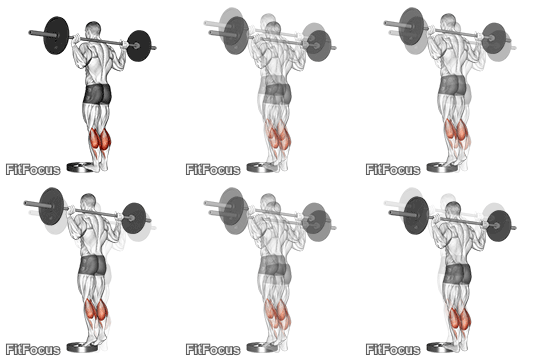 Barbell Standing Calf RaiseCalves · Barbell · Intermediate
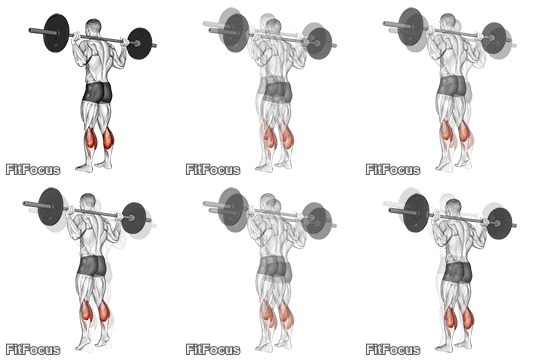 Barbell Floor Calf RaiseCalves · Barbell · Intermediate
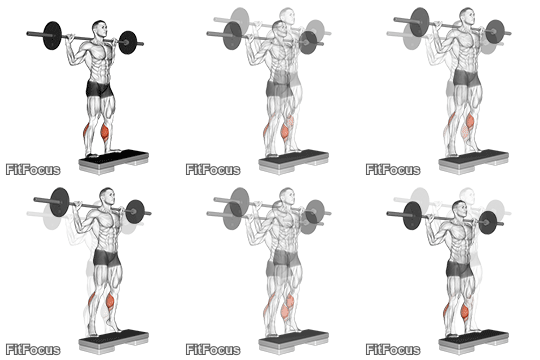 Barbell Standing Leg Calf RaiseCalves · Barbell · Intermediate
Barbell Leg Training FAQ
How deep should I squat with a barbell?
As deep as you can go with a neutral spine and heels flat. For most people that is somewhere at or just below parallel. Depth built past the point where the pelvis tucks under stops training the legs and starts loading the lower back. Work on ankle and hip mobility to earn depth rather than forcing it under a loaded bar.
Are split squats better than back squats?
They are different tools. Back squats let you load the most total weight and drive overall strength. Split squats load one leg at a time with far less spinal compression, which makes them the better choice for fixing imbalances, training around a back issue, or adding leg volume late in a session. Most good programs run both.
How often should I barbell squat?
Two sessions a week suits most lifters. Squatting is systemically taxing, so one very heavy day paired with one lighter, higher-rep or single-leg day recovers better than two maximal sessions. Beginners can often squat three times a week at moderate load because the weights are still light relative to their recovery capacity.