Machine Leg Exercises
Leg machines let you load the lower body hard with no balance demand and no bar on your spine. The leg press drives heavy quad and glute work with the back supported, the extension is the only common movement that isolates the quadriceps at the knee, and the lying curl trains knee flexion, the hamstring job that deadlifting never touches. Calf machines cover both heads by changing whether the knee is straight or bent.
Why train leg with machine
- Heavy leg loading with zero spinal compression
- Train to genuine failure alone, with no bar to bail out of
- Leg extensions and curls isolate what compound lifts under-load
- Straight-knee and bent-knee calf work covers both calf heads
All 31 machine leg exercises
Every guide below includes an animated GIF demonstration, numbered form cues, the muscle it targets, and sets and reps for strength, hypertrophy, and endurance.
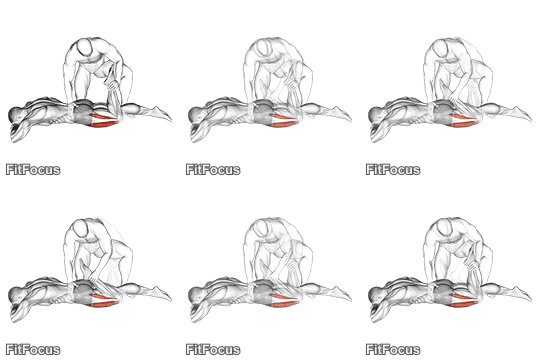 Assisted Prone Lying Quads StretchQuads · Assisted · Beginner
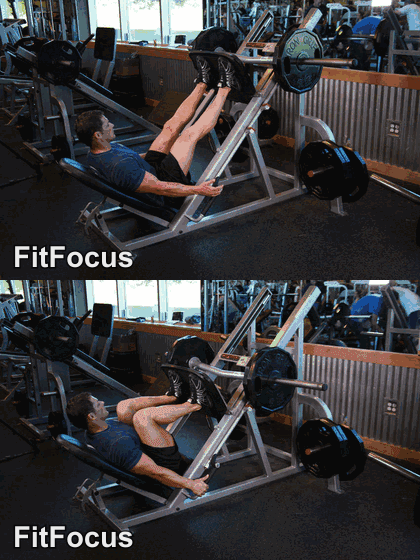 Leg PressQuads · Leverage Machine · Beginner
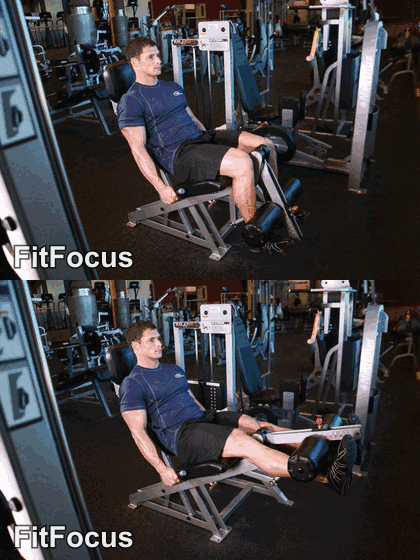 Leg ExtensionQuads · Leverage Machine · Beginner
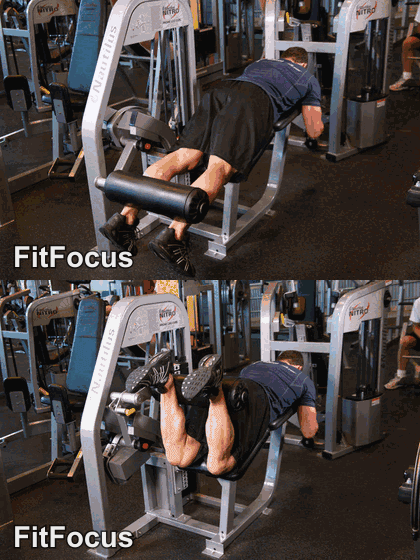 Lying Leg CurlHamstrings · Leverage Machine · Beginner
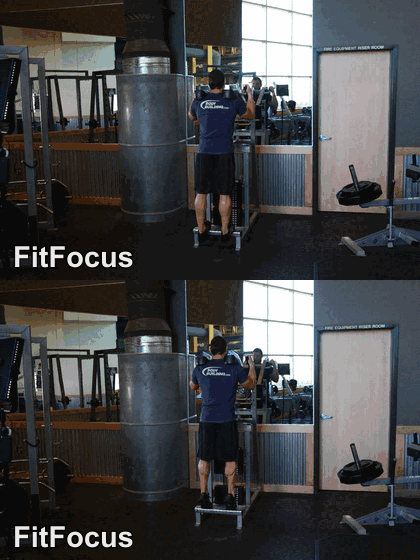 Standing Calf RaiseCalves · Leverage Machine · Beginner
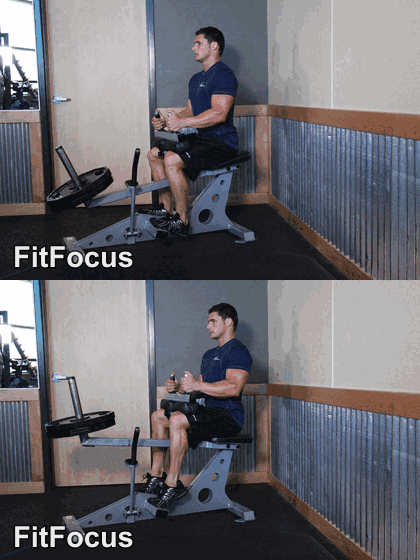 Seated Calf RaiseCalves · Leverage Machine · Beginner
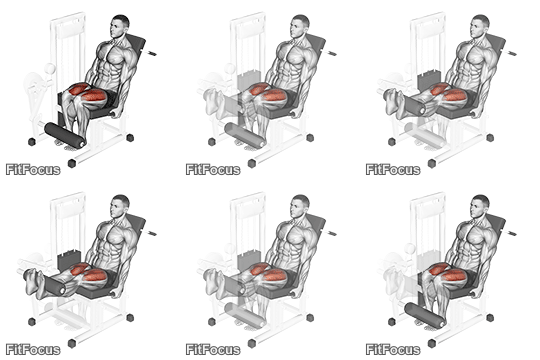 Lever Leg ExtensionQuads · Leverage Machine · Intermediate
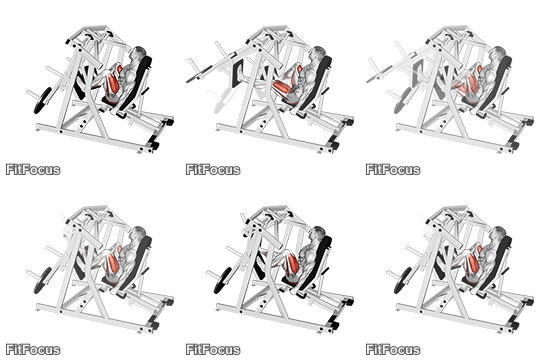 Lever Alternate Leg PressQuads · Leverage Machine · Advanced
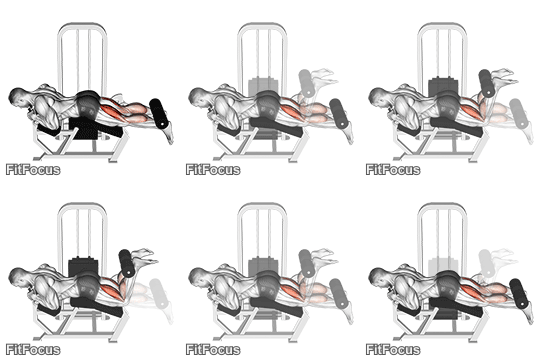 Lever Lying Leg CurlHamstrings · Leverage Machine · Advanced
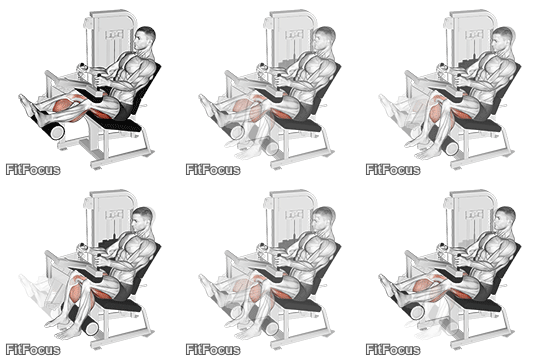 Lever Seated Leg CurlHamstrings · Leverage Machine · Advanced
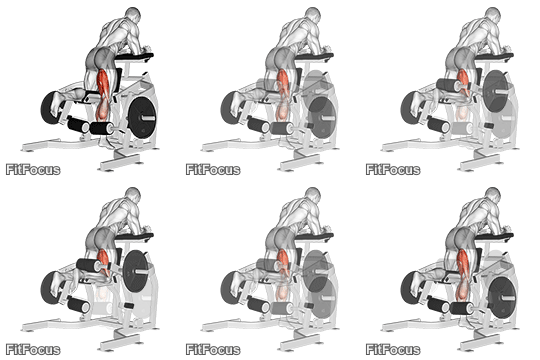 Lever Kneeling Leg CurlHamstrings · Leverage Machine · Advanced
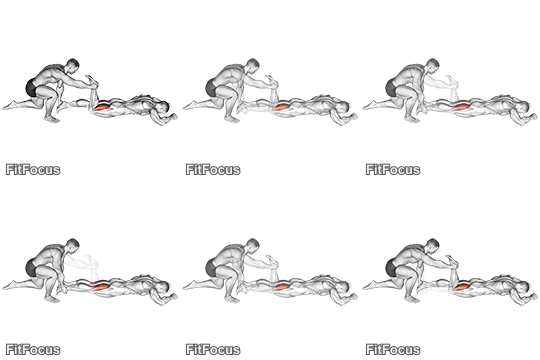 Assisted Prone HamstringHamstrings · Assisted · Intermediate
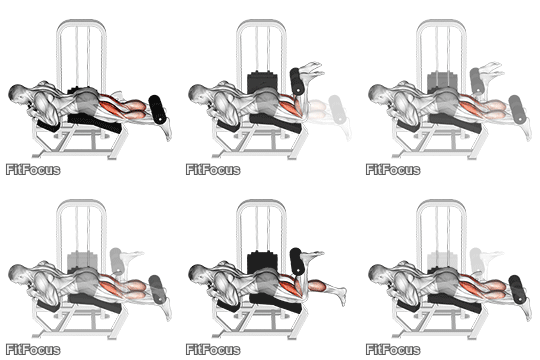 Lever Lying Two-one Leg CurlHamstrings · Leverage Machine · Intermediate
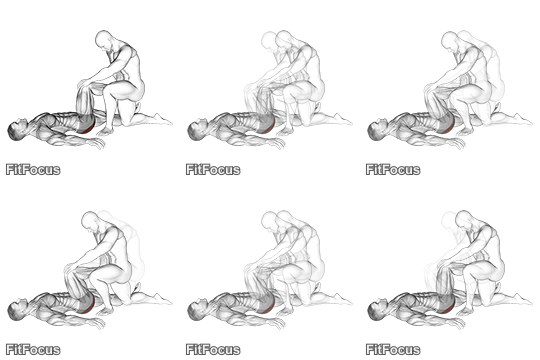 Assisted Lying Glutes StretchGlutes · Assisted · Intermediate
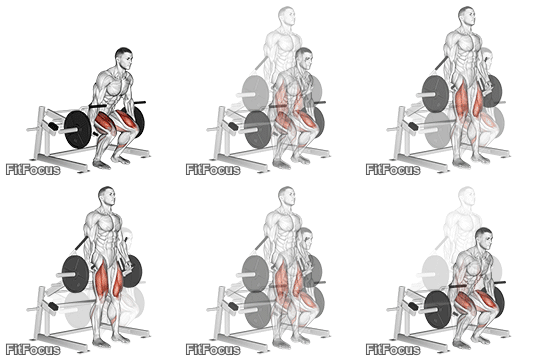 Lever DeadliftGlutes · Leverage Machine · Advanced
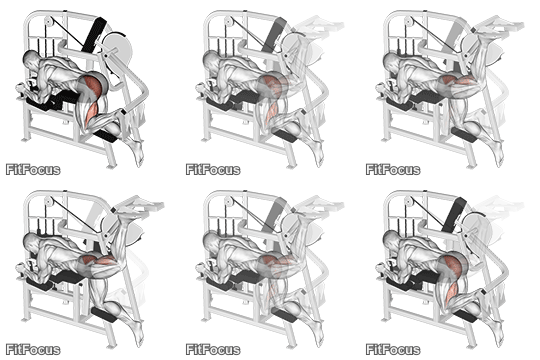 Lever Hip Extension V. 2Glutes · Leverage Machine · Beginner
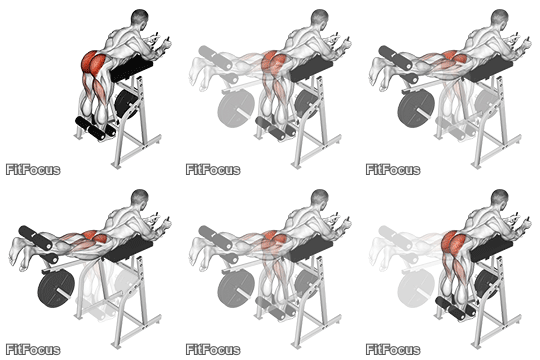 Lever Reverse HyperextensionGlutes · Leverage Machine · Intermediate
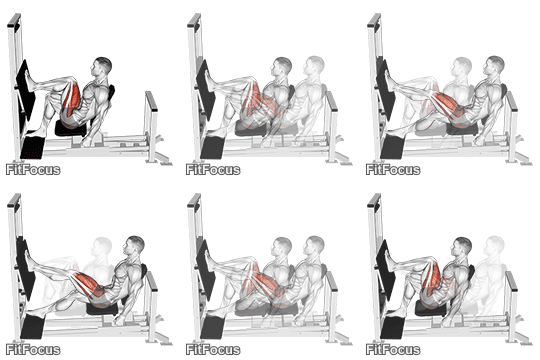 Lever Horizontal One Leg PressGlutes · Leverage Machine · Intermediate
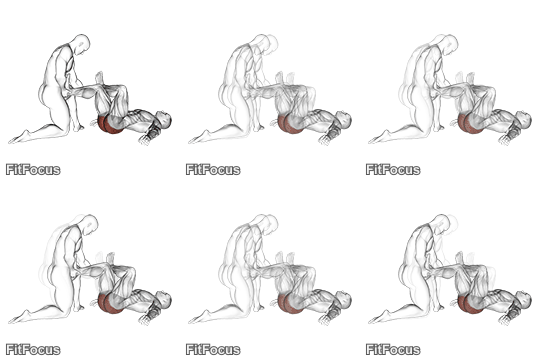 Assisted Lying Gluteus And Piriformis StretchGlutes · Assisted · Intermediate
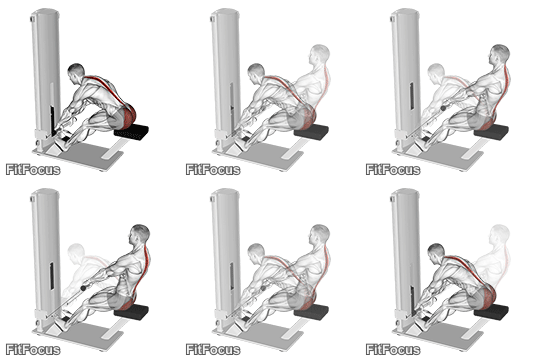 Lever Seated Good MorningGlutes · Leverage Machine · Intermediate
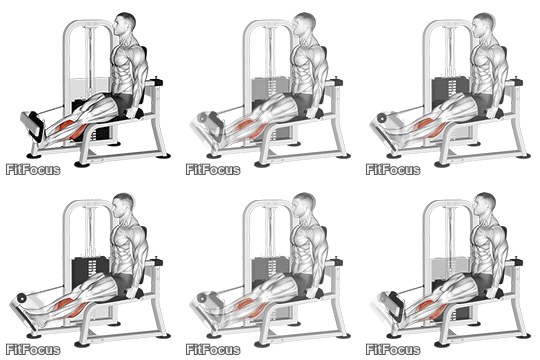 Lever Rotary CalfCalves · Leverage Machine · Intermediate
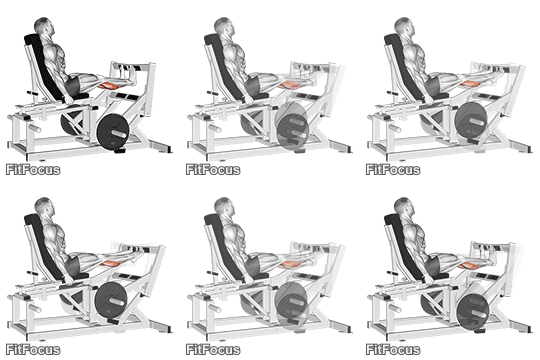 Lever Calf PressCalves · Leverage Machine · Advanced
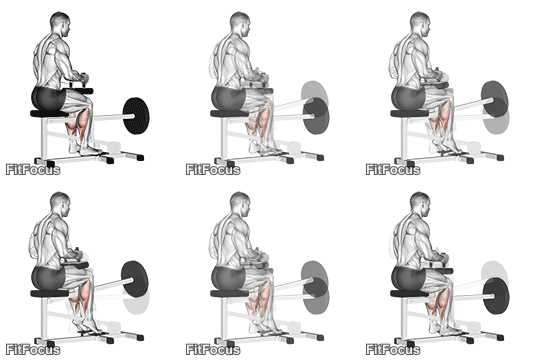 Lever Seated Calf RaiseCalves · Leverage Machine · Intermediate
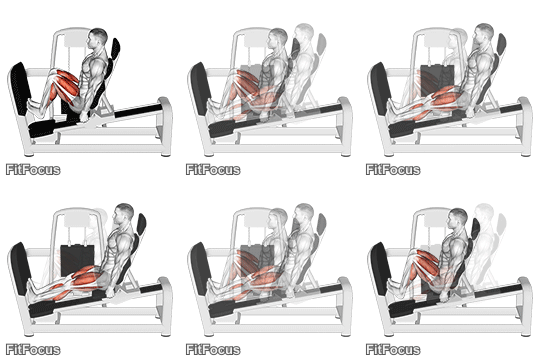 Lever Seated Squat Calf Raise On Leg Press MachineCalves · Leverage Machine · Advanced
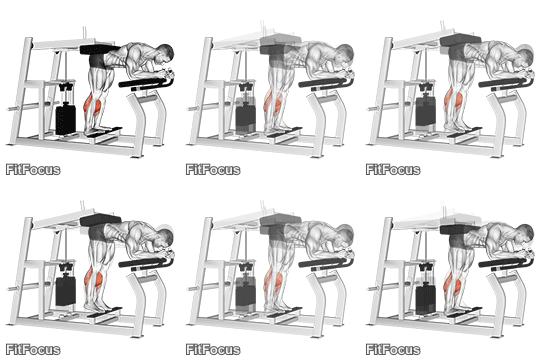 Lever Donkey Calf RaiseCalves · Leverage Machine · Intermediate
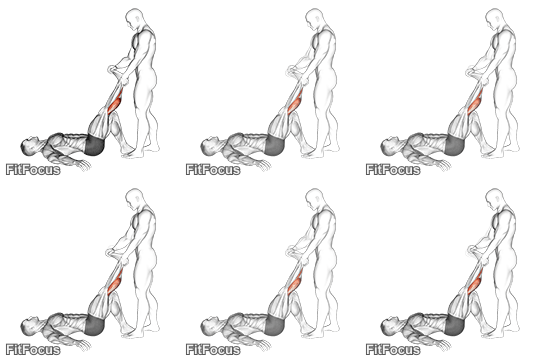 Assisted Lying Calves StretchCalves · Assisted · Intermediate
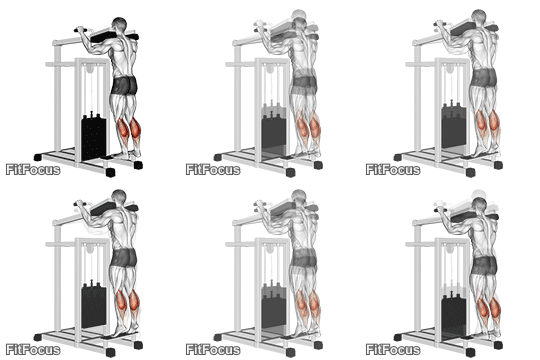 Lever Standing Calf RaiseCalves · Leverage Machine · Beginner
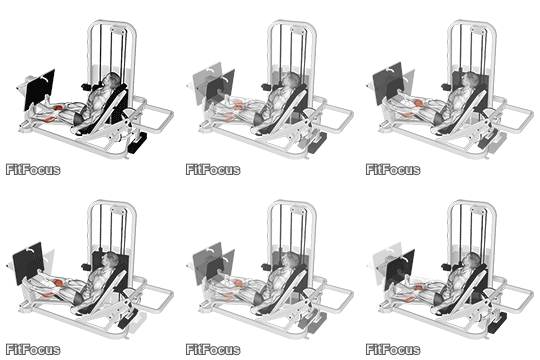 Lever Seated Calf PressCalves · Leverage Machine · Intermediate
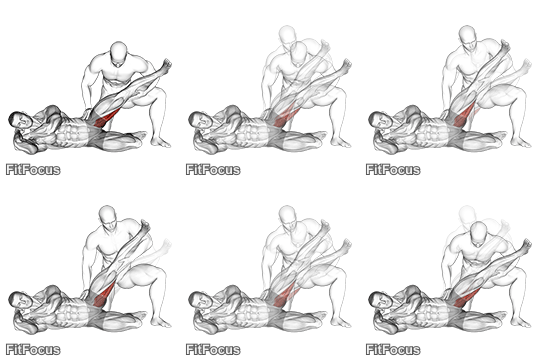 Assisted Side Lying Adductor StretchAdductors · Assisted · Intermediate
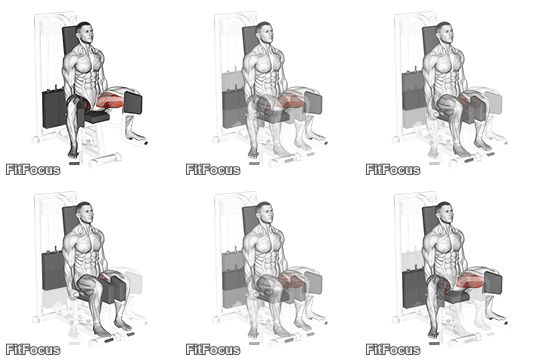 Lever Seated Hip AdductionAdductors · Leverage Machine · Beginner
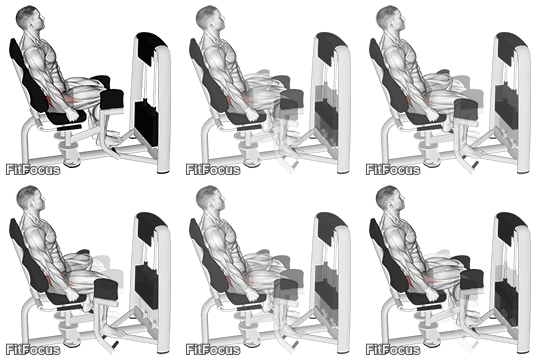 Lever Seated Hip AbductionAbductors · Leverage Machine · Intermediate
Machine Leg Training FAQ
Is the leg press as good as squatting?
For quad and glute growth, close — the leg press lets you take heavy sets to failure with the back supported and no technique breakdown. For transferable whole-body strength, bracing, and athletic carryover, the squat wins clearly. Most good programs squat first and use the leg press to add quad volume afterwards.
Are leg extensions bad for your knees?
For healthy knees, no. The concern comes from older studies on rehab patients with existing ligament damage. In healthy trainees, controlled leg extensions strengthen the quadriceps including the rectus femoris that squats barely load. Use a moderate weight, avoid slamming into lockout, and keep the reps in the ten-to-twenty range.
Standing or seated calf raise?
Both, because they train different muscles. A straight knee loads the gastrocnemius, the head that gives the calf its visible shape. A bent knee takes the gastrocnemius out and leaves the soleus underneath. Doing only standing raises leaves half the calf untrained.