Machine Core Exercises
The problem with bodyweight ab training is that it has no load to add — once you can do thirty crunches, more reps stop building anything. Machine and assisted core work solves that. The seated crunch machine puts a stack behind spinal flexion so you can progress in real weight, and assisted hanging knee raises let you train the strongest lower-ab movement there is before you can hold your full bodyweight from a bar.
Why train core with machine
- Add real weight to ab training instead of chasing rep counts
- Assisted hanging work bridges the gap to full hanging leg raises
- Fixed path keeps the load on the abs rather than the hip flexors
- Easy to take to failure safely at the end of a session
All 11 machine core exercises
Every guide below includes an animated GIF demonstration, numbered form cues, the muscle it targets, and sets and reps for strength, hypertrophy, and endurance.
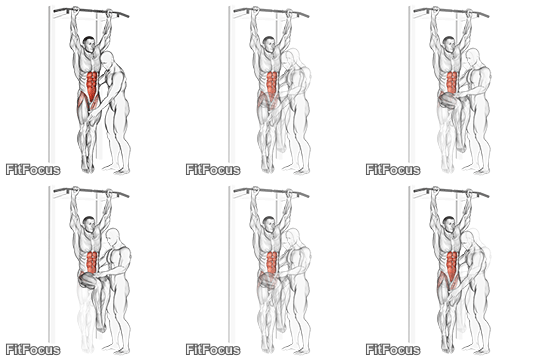 Assisted Hanging Knee RaiseAbs · Assisted · Intermediate
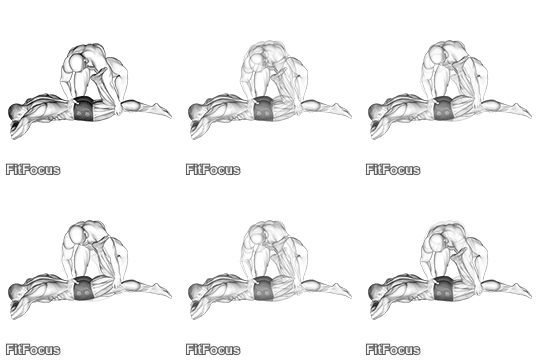 Assisted Prone Rectus Femoris StretchAbs · Assisted · Intermediate
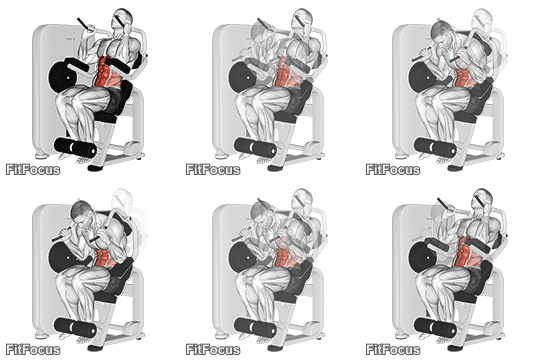 Lever Seated CrunchAbs · Leverage Machine · Advanced
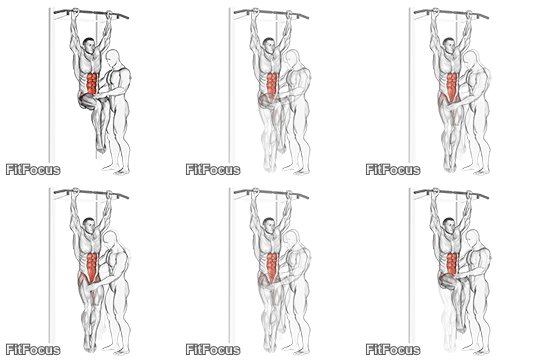 Assisted Hanging Knee Raise With Throw DownAbs · Assisted · Advanced
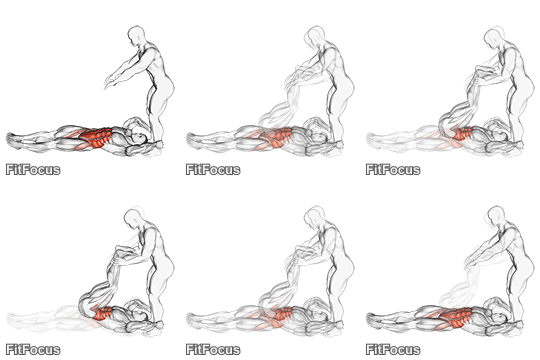 Assisted Lying Leg Raise With Lateral Throw DownAbs · Assisted · Advanced
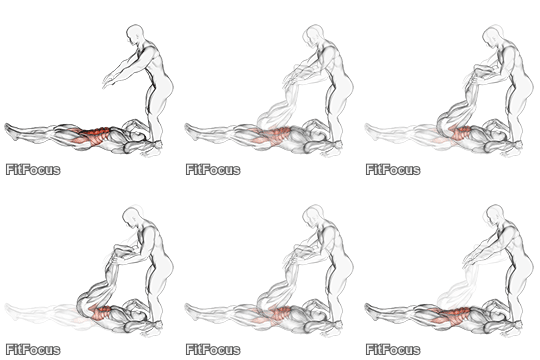 Assisted Lying Leg Raise With Throw DownAbs · Assisted · Advanced
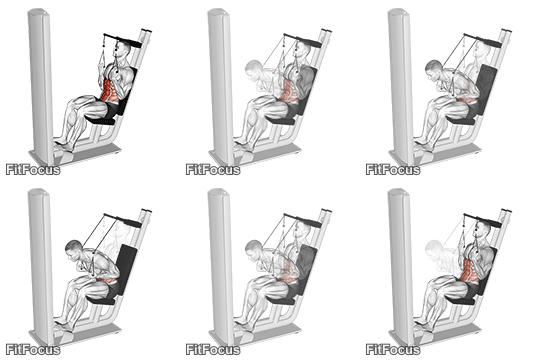 Lever Seated Crunch V. 2Abs · Leverage Machine · Intermediate
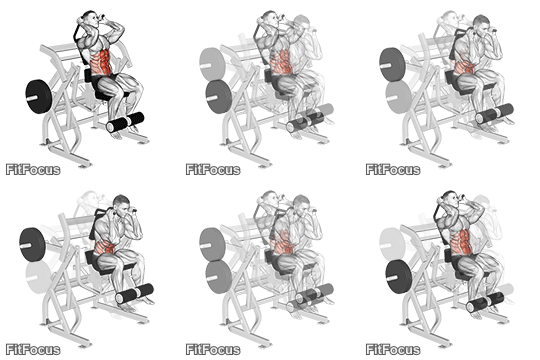 Lever Seated Leg Raise CrunchAbs · Leverage Machine · Beginner
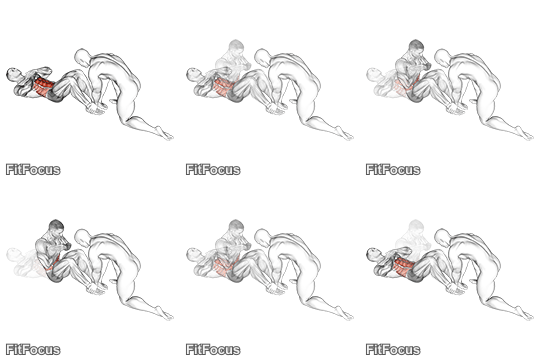 Assisted Sit-upAbs · Assisted · Intermediate
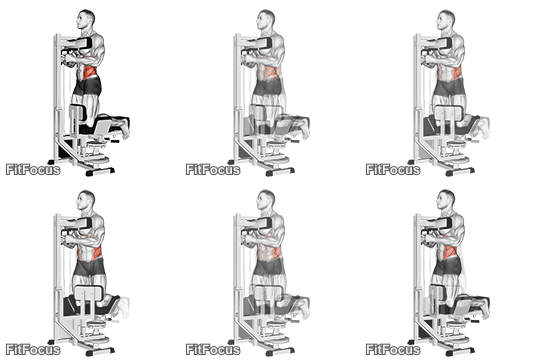 Lever Kneeling TwistAbs · Leverage Machine · Intermediate
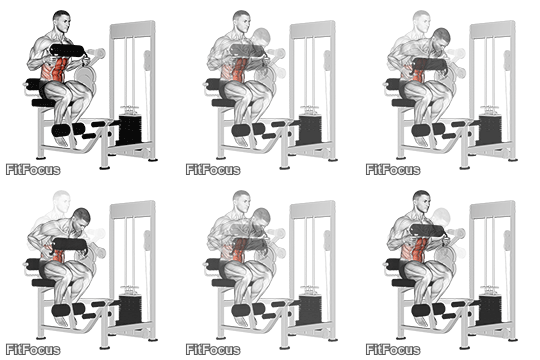 Lever Seated Crunch (chest Pad)Abs · Leverage Machine · Advanced
Machine Core Training FAQ
Should abs be trained with weight?
Yes, if you want them to grow rather than just endure. The abdominals are skeletal muscle and respond to progressive overload like any other. Sets of ten to twenty with added resistance build more visible muscle than sets of fifty bodyweight crunches, which mostly train endurance.
Will ab machines give me a six-pack?
They build the muscle; nutrition reveals it. Abdominal definition is a function of body fat, and no amount of ab training changes where your body stores it. Train the abs for thickness and strength, and handle visibility through a calorie deficit.
How many sets of ab work per week?
Ten to sixteen hard sets, spread over two to four sessions. The abs recover in a day or two, so a short block at the end of several sessions beats one long ab day. Remember that heavy squats, deadlifts, and overhead pressing already load the midline hard.