Bodyweight Cardio Exercises
Bodyweight conditioning gets your heart rate up without a machine, a membership, or a warm-up longer than the session. Running and jump-rope variations train sustained output, burpees and skater hops train repeat efforts under fatigue, and bear crawls and mountain climbers keep the shoulders and core working while the lungs do. Because there is no equipment to set up, these are the easiest finishers to actually complete at the end of a lifting session.
Simple bodyweight cardio workout
Start with these staples, rest 60 to 90 seconds between sets, and add reps or load once every set feels controlled.
- 1.RunCardiovascular System, 3 rounds of 30 to 45 seconds
- 2.BurpeeCardiovascular System, 3 rounds of 30 to 45 seconds
- 3.Swing 360Cardiovascular System, 3 rounds of 30 to 45 seconds
- 4.Jack BurpeeCardiovascular System, 3 rounds of 30 to 45 seconds
- 5.Mountain ClimberCardiovascular System, 3 rounds of 30 to 45 seconds
All 21 bodyweight cardio exercises
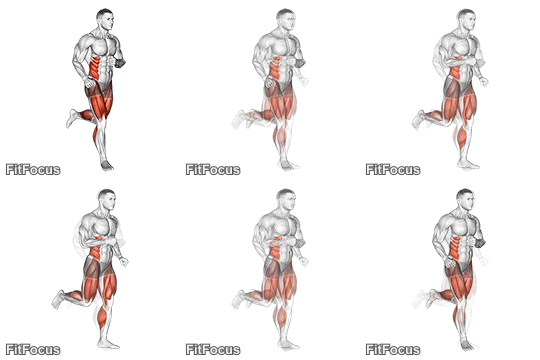 RunCardiovascular System · Body Weight · Beginner
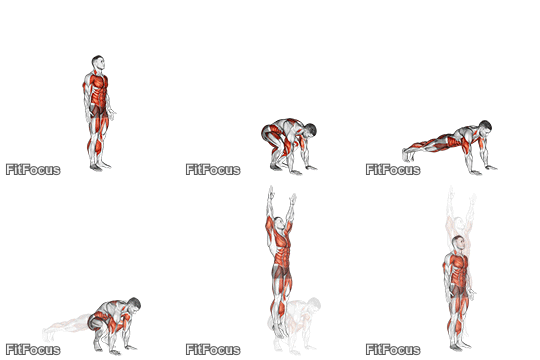 BurpeeCardiovascular System · Body Weight · Advanced
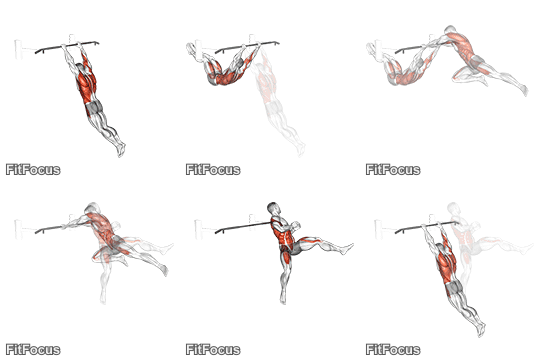 Swing 360Cardiovascular System · Body Weight · Beginner
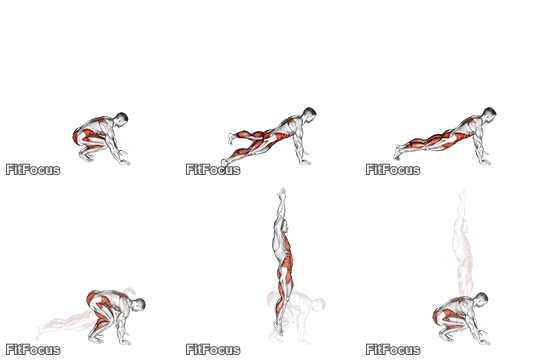 Jack BurpeeCardiovascular System · Body Weight · Intermediate
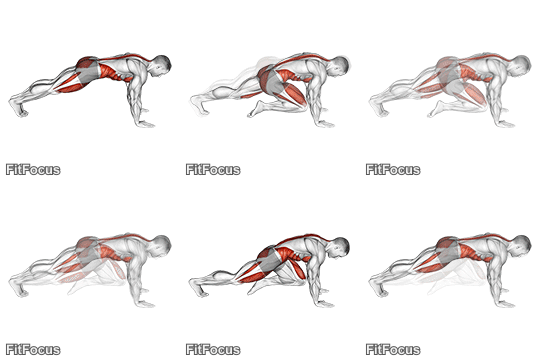 Mountain ClimberCardiovascular System · Body Weight · Advanced
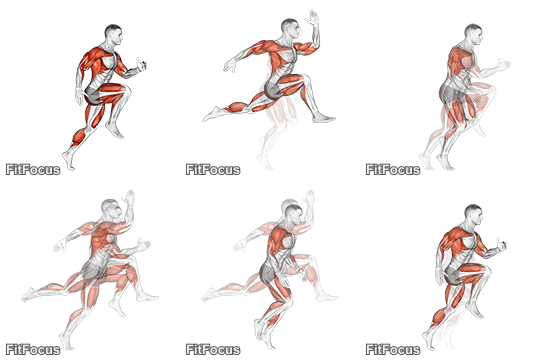 Wheel RunCardiovascular System · Body Weight · Advanced
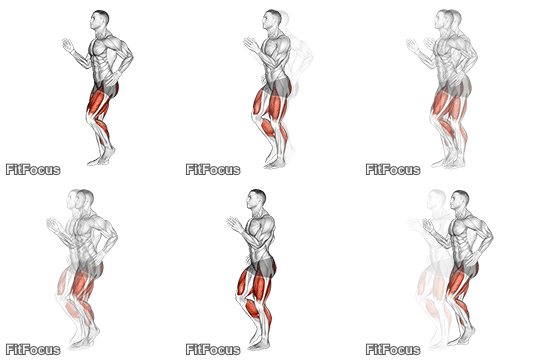 Short Stride RunCardiovascular System · Body Weight · Beginner
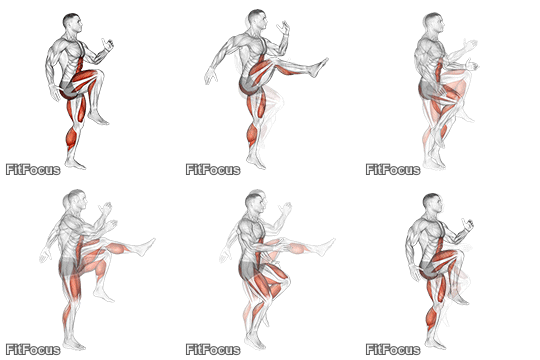 Push To RunCardiovascular System · Body Weight · Intermediate
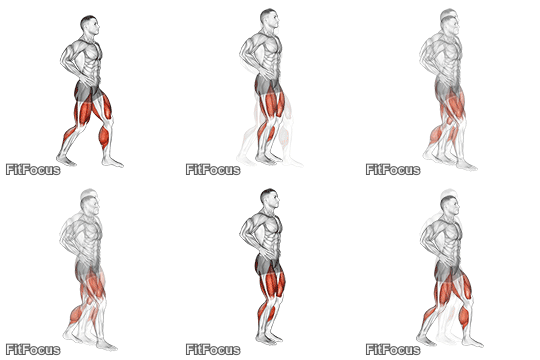 Ski StepCardiovascular System · Body Weight · Beginner
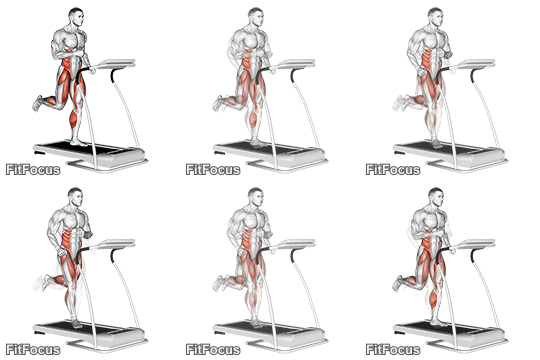 Run (equipment)Cardiovascular System · Body Weight · Beginner
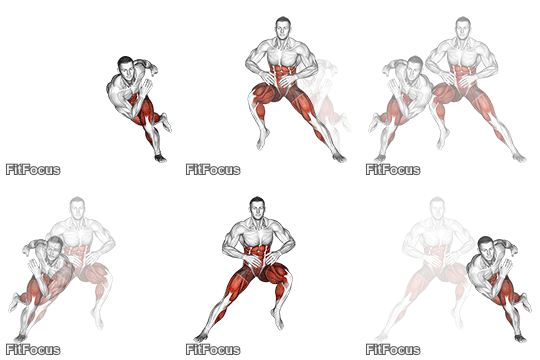 Skater HopsCardiovascular System · Body Weight · Intermediate
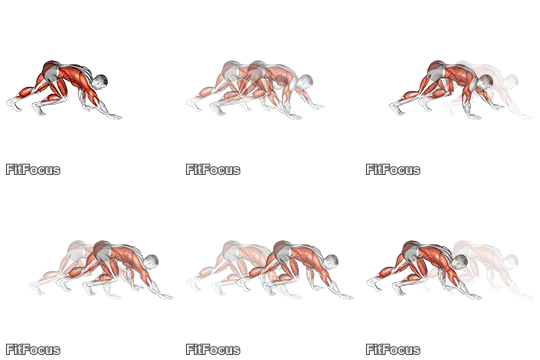 Bear CrawlCardiovascular System · Body Weight · Advanced
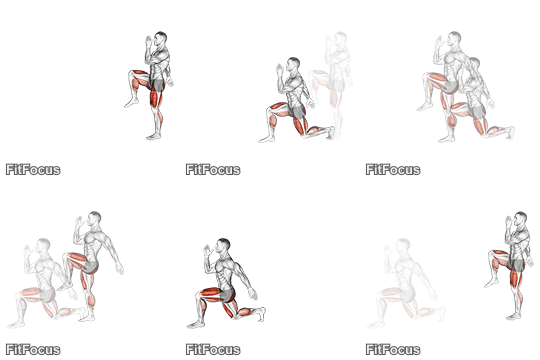 Walking High Knees LungeCardiovascular System · Body Weight · Advanced
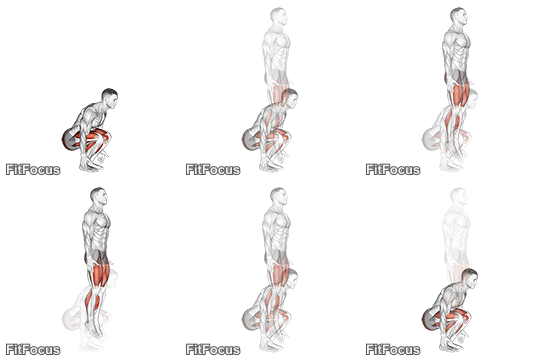 Semi Squat Jump (male)Cardiovascular System · Body Weight · Intermediate
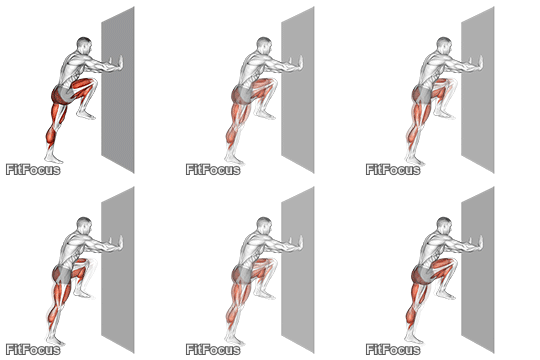 High Knee Against WallCardiovascular System · Body Weight · Intermediate
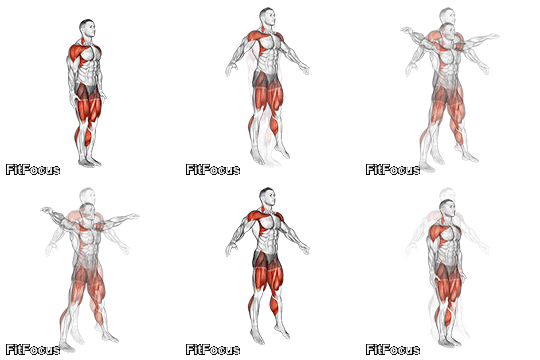 Astride Jumps (male)Cardiovascular System · Body Weight · Beginner
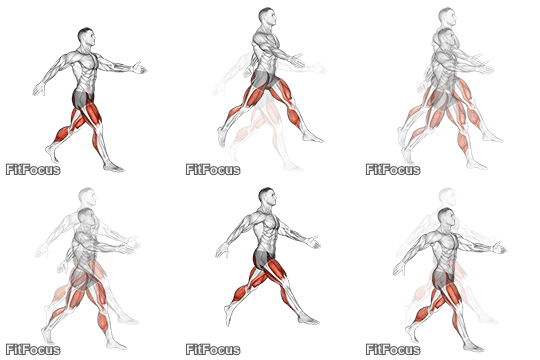 Scissor Jumps (male)Cardiovascular System · Body Weight · Advanced
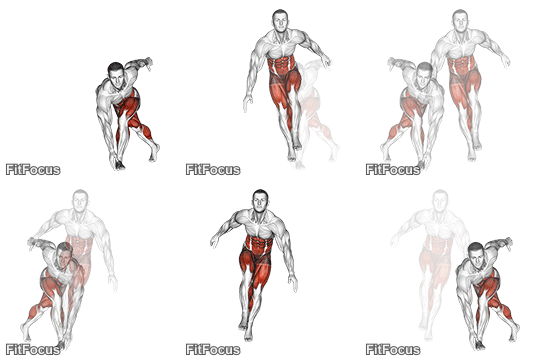 Back And Forth StepCardiovascular System · Body Weight · Advanced
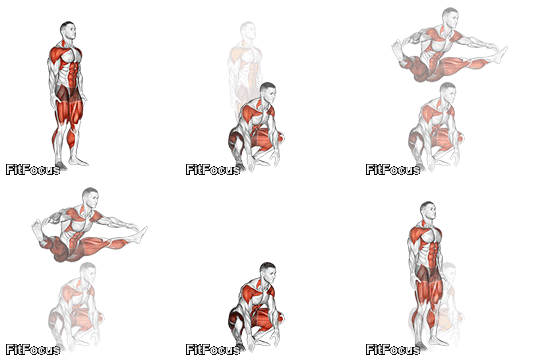 Jack Jump (male)Cardiovascular System · Body Weight · Beginner
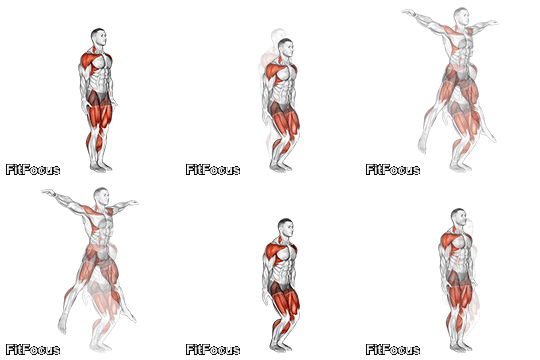 Star Jump (male)Cardiovascular System · Body Weight · Beginner
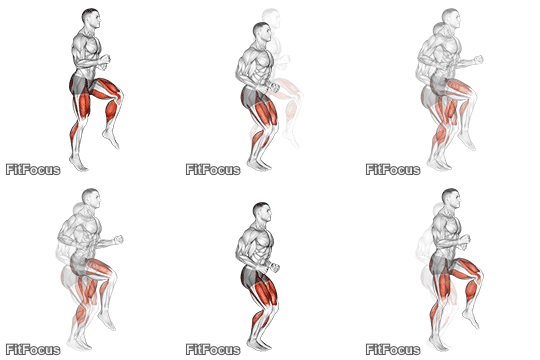 Half Knee Bends (male)Cardiovascular System · Body Weight · Beginner
Why train cardio with bodyweight
- Raise the heart rate anywhere with no machine and no membership
- Mix steady-state and interval work from the same movement pool
- Crawls and climbers condition the shoulders and core while you breathe hard
- Short finishers you will actually do after a lifting session
Bodyweight Cardio Training FAQ
How long should a bodyweight cardio session be?
Twenty to forty minutes for steady work, or ten to twenty minutes for intervals. Intervals of thirty seconds hard and thirty to ninety seconds easy, repeated eight to twelve times, deliver most of the conditioning benefit in a fraction of the time. If you are also lifting hard, keep hard conditioning to two or three sessions a week.
Will cardio hurt my muscle gains?
Not at these volumes. The interference effect shows up with long, frequent, high-intensity endurance work, not with two or three short conditioning sessions a week. Separate hard cardio from leg day by several hours if you can, eat enough to cover both, and the two goals coexist fine.
Is jumping rope better than running?
It is easier on the knees at the same heart rate for most people because the impact is lower and better distributed, and it takes almost no space. Running builds more sustained aerobic capacity and is easier to do for long durations. Use rope work for intervals and warm-ups, running for longer steady sessions.