Kettlebell Shoulder Exercises
A kettlebell hangs below the hand rather than sitting in line with it, so every overhead press with one becomes a stability problem as well as a strength problem. The offset load pulls the wrist into extension and the shoulder into rotation, and holding it in the rack or overhead teaches the shoulder to stay packed under a load that is actively trying to twist it. Add the ballistic side of the tool, cleans, jerks, and snatches, and you get overhead strength trained at speed instead of only under grind.
Why train shoulder with kettlebell
- Offset load forces the shoulder to stabilise, not just press
- Jerks and snatches train overhead power at speed, not just strength
- Single-bell pressing loads one side while the trunk resists the lean
- Rack and overhead holds build the shoulder endurance presses miss
All 17 kettlebell shoulder exercises
Every guide below includes an animated GIF demonstration, numbered form cues, the muscle it targets, and sets and reps for strength, hypertrophy, and endurance.
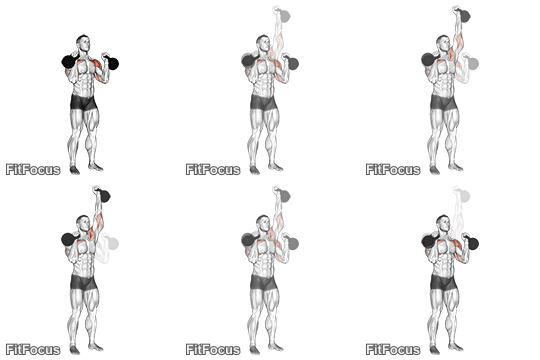 Kettlebell Alternating PressDelts · Kettlebell · Beginner
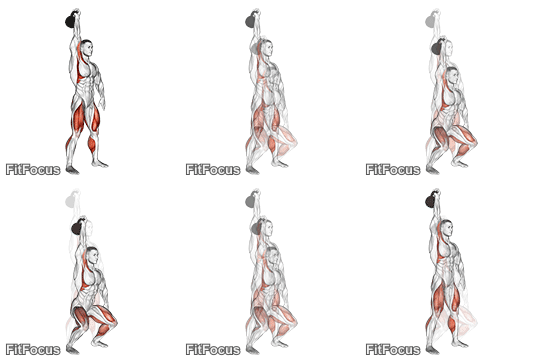 Kettlebell One Arm JerkDelts · Kettlebell · Advanced
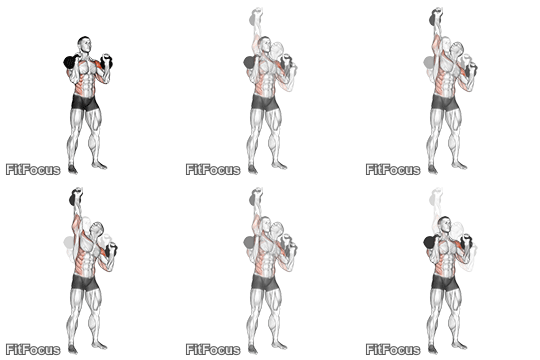 Kettlebell Seesaw PressDelts · Kettlebell · Intermediate
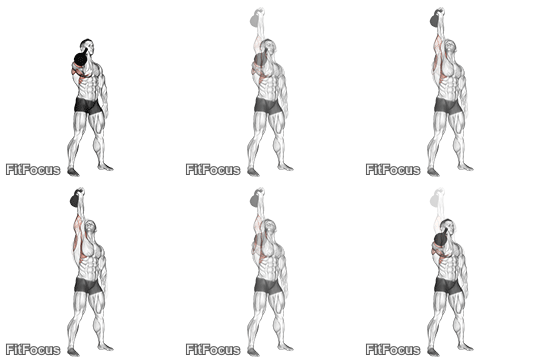 Kettlebell One Arm Military Press To The SideDelts · Kettlebell · Advanced
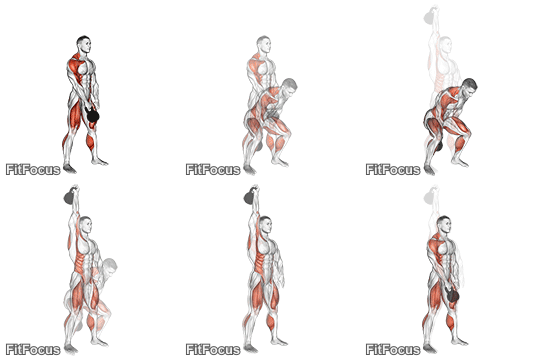 Kettlebell One Arm SnatchDelts · Kettlebell · Advanced
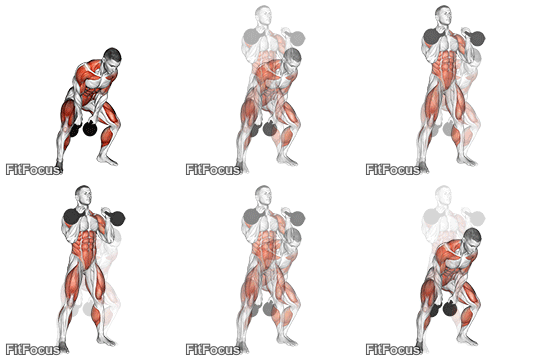 Kettlebell Two Arm CleanDelts · Kettlebell · Intermediate
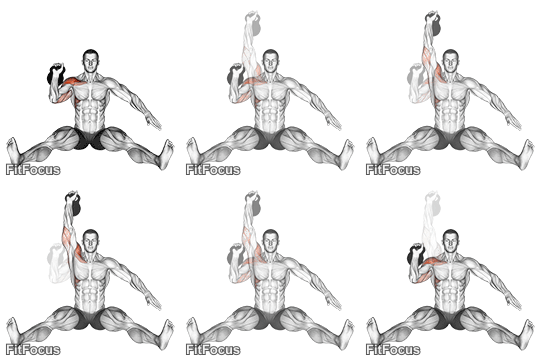 Kettlebell Seated PressDelts · Kettlebell · Intermediate
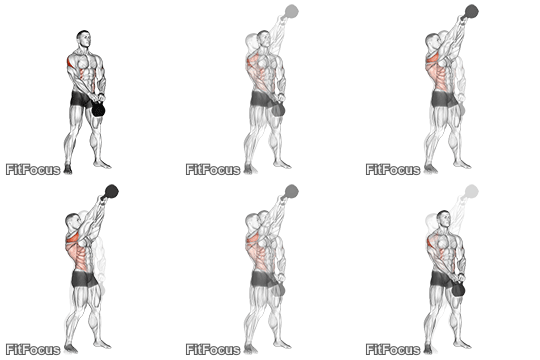 Kettlebell Pirate Supper LegsDelts · Kettlebell · Intermediate
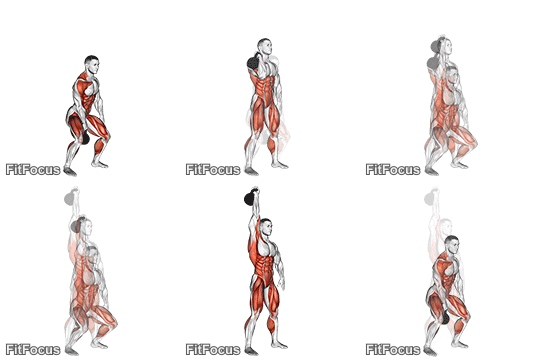 Kettlebell One Arm Clean And JerkDelts · Kettlebell · Advanced
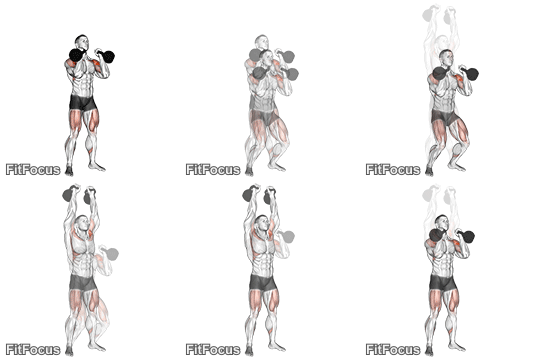 Kettlebell Double Push PressDelts · Kettlebell · Intermediate
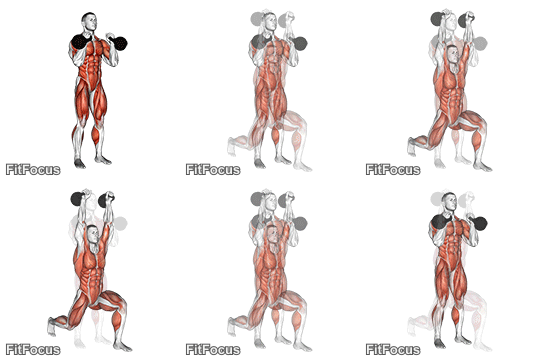 Kettlebell Double JerkDelts · Kettlebell · Advanced
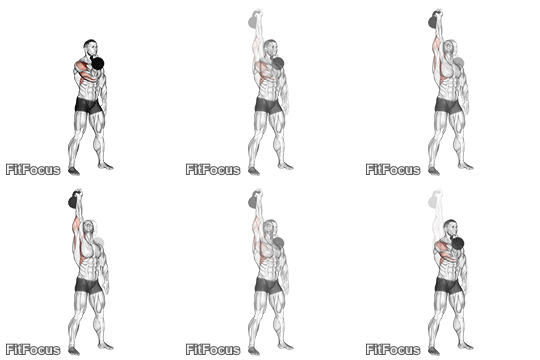 Kettlebell Arnold PressDelts · Kettlebell · Intermediate
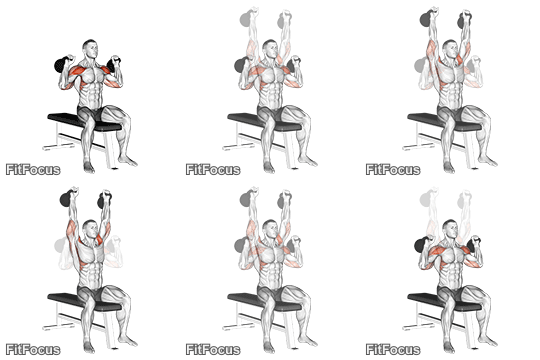 Kettlebell Seated Two Arm Military PressDelts · Kettlebell · Intermediate
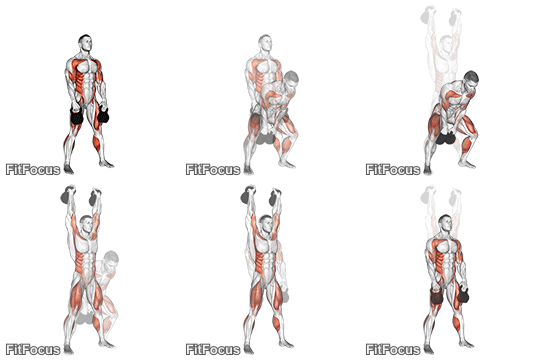 Kettlebell Double SnatchDelts · Kettlebell · Advanced
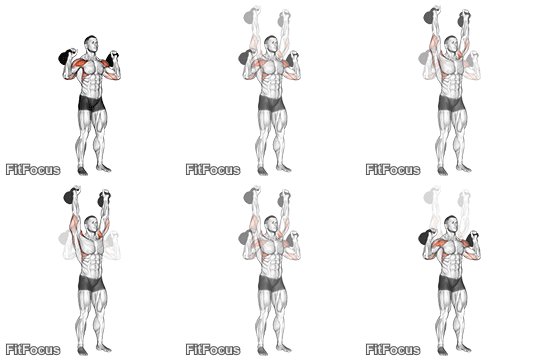 Kettlebell Two Arm Military PressDelts · Kettlebell · Intermediate
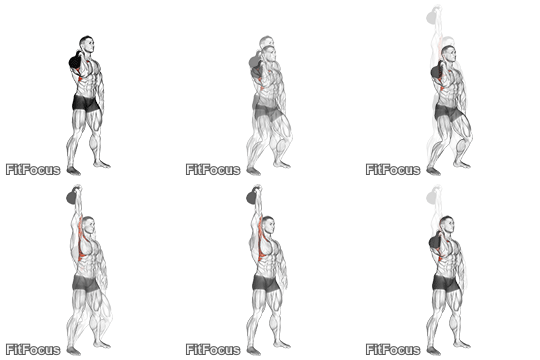 Kettlebell One Arm Push PressDelts · Kettlebell · Advanced
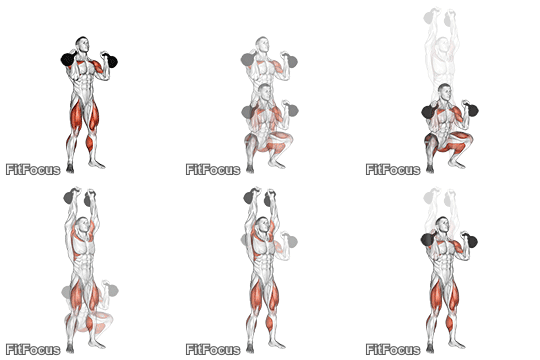 Kettlebell ThrusterDelts · Kettlebell · Intermediate
Kettlebell Shoulder Training FAQ
Is kettlebell pressing better than dumbbell pressing?
Neither is better, they train different things. A dumbbell lets you move more total weight with a cleaner path, so it wins for hypertrophy. A kettlebell sits behind the wrist and challenges the shoulder to control rotation through the whole press, so it wins for joint stability and for carryover to overhead work in sport. Most people benefit from having both.
What is the difference between a press, a push press and a jerk?
A strict press moves the bell overhead using the shoulder alone. A push press adds a dip and drive from the legs to start the bell moving, so you can handle more weight. A jerk adds a second dip under the bell to receive it overhead with straighter arms, which lets you move the most weight of the three and trains speed under load.
How do I stop the kettlebell banging my forearm?
It usually means the bell is flipping over the hand instead of rolling around it. On the clean, keep the bell close and guide your hand through the handle as it rises rather than letting the bell swing out and drop onto the wrist. Taping the handle or wearing a sleeve helps while the technique settles, but the fix is the path, not the padding.